
Gil Zablodowsky: dove il suono diventa geometria
Per IMAGO al MUST di Lecce, Gil Zablodowsky porta l’astrazione digitale in dialogo con l’architettura, il suono e lo spazio fisico. In questa conversazione con DARTE, l’artista riflette sulla geometria come linguaggio visivo, sulla traduzione delle frequenze acustiche in immagini, sulla tensione tra precisione tecnologica e presenza umana e su ciò che accade quando l’arte digitale abbandona lo schermo per entrare nello spazio reale.
 Featured
AI isn’t the problem. It’s showing us how predictable we are.
AI isn’t just learning how to make images. It’s learning how easily it can imitate what we call style.
Art is no longer competing only with art
An artwork now has to survive in the same world as fashion campaigns, music videos, memes, cinema, design and images generated in seconds.
Why does everyone want to look like they don’t care?
We turned not caring into a performance. It takes an extraordinary amount of effort.
We stopped buying objects. We buy signals.
A bag, a chair, a painting, a hotel. The real product is often what they say about us.
The world is full of codes. We just don’t call them that.
Clothes, restaurants, neighbourhoods, words, artworks, hotels: we spend all day decoding signals and call it taste.
Instagram killed bad taste. And that might be a problem.
We’ve never been this good at having good taste. Unfortunately, we’re all getting good at it in exactly the same way.
If a child stops and stares, it works.
First comes the look. Everything else comes later.
Everyone wants to be iconic too soon
Before we have anything to say, we already want to be recognisable.
The problem with good taste is that everyone has it now
When everyone learns the same codes, taste stops distinguishing people and starts making them look alike.
Fried is bad for you. That’s why you want more.
This is not a wellness column. It’s art, culture, money, taste and bad ideas served hot enough to be irresistible.
Being selected still matters
In a world where everyone can publish everything, someone saying “this one” starts to matter again.
Another line on your CV does matter
Careers are built this way too: one exhibition, one city, one selection, one line at a time.
Less is less
We turned minimalism into a religion of good taste. Sometimes an empty room is just an empty room.
The commercial artist drives past the conceptual artist in a Bentley
One sold too much. The other understood everything. Guess who’s looking for parking outside Art Basel.
SCHIFANO
IT'S ALWAYS MAGIC
Helen Beard: desire changes perspective
Saturated colours, tightly framed bodies, and images suspended between figuration and abstraction. Helen Beard uses painting to place female desire at the centre of the image, turning eroticism into a question of perspective, freedom, and representation.
Why do all artists’ studios suddenly look the same?
The studio was supposed to be the artist’s most private space. Then it became a set.
When did ugly become expensive?
Luxury spent decades trying to look beautiful. Then it discovered that looking strange was far more useful.
Waiting to be discovered is a terrible career plan
The romantic myth says you work quietly until someone important knocks on the studio door. Beautiful story. Terrible strategy.
The problem isn’t paying. It’s not knowing what you’re paying for.
The art world loves debating fees. It spends far less time discussing what those fees are actually meant to produce.
Artists don’t need more exposure
Being seen by everyone means very little if nobody knows where to place you.
Do artists still need galleries?
Artists can now sell, communicate and build an audience on their own. Which is exactly why galleries still matter.
The most dangerous moment is when everyone knows exactly what you do
Success has a problem: sooner or later, it starts asking you to look like yourself.
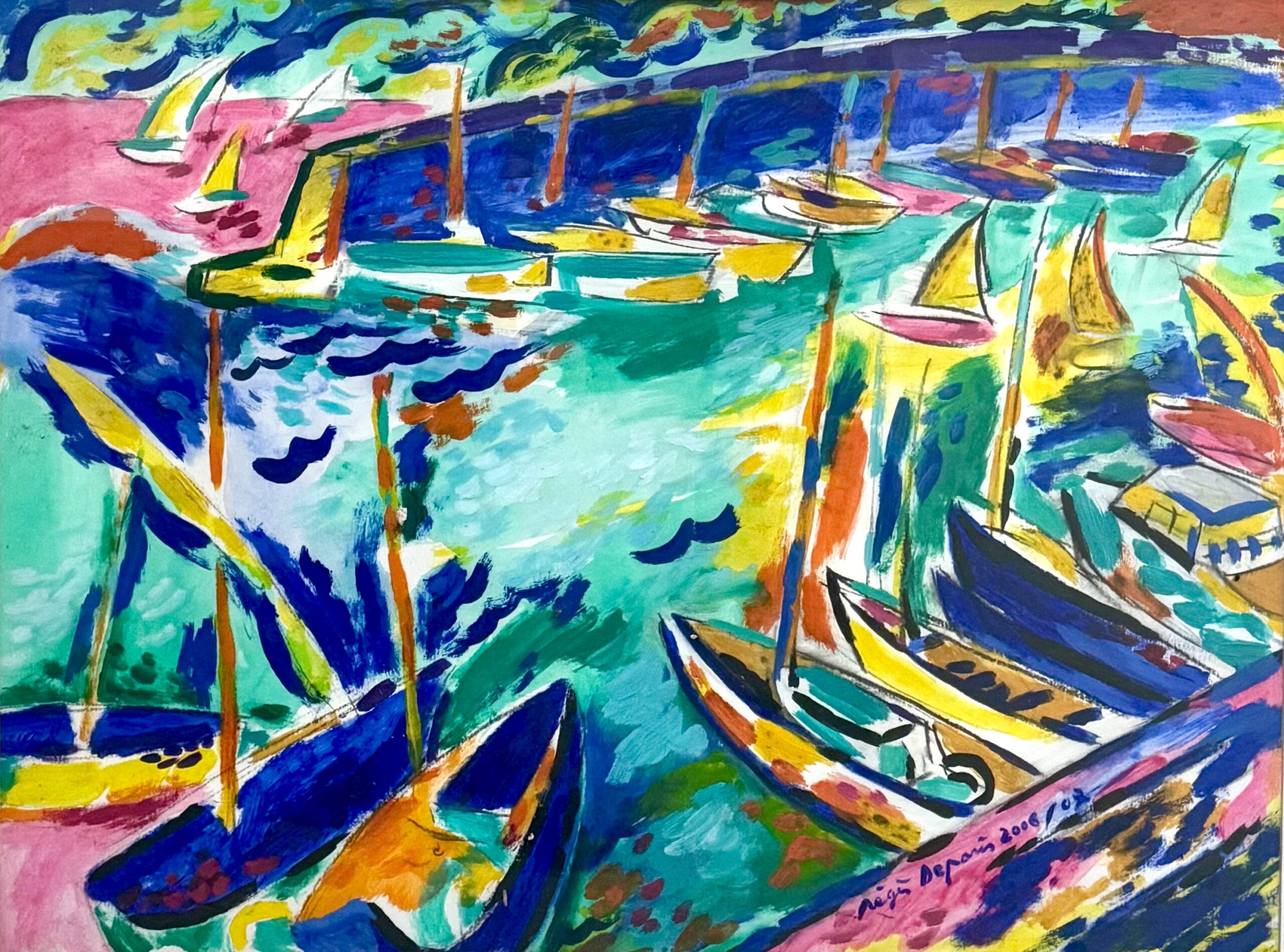
Régis Deparis: darte signed a retrospective between France and Puglia
Almost thirty works, more than forty years of painting and a story spanning France, Rome, Egypt and Salento. Darte brings Régis Deparis’s retrospective to Lecce, produced within Lecce Art Week and curated by Tancredi Hertzog-Guarini with Galerie T&L in Paris. Twelve years earlier, writing in La Règle du Jeu, Gilles Hertzog had called for a major retrospective of the artist and identified Lecce as one of the places where it should happen. The project turns that possibility into reality, bringing renewed attention to an original and difficult-to-classify figure in European painting of the second half of the twentieth century.
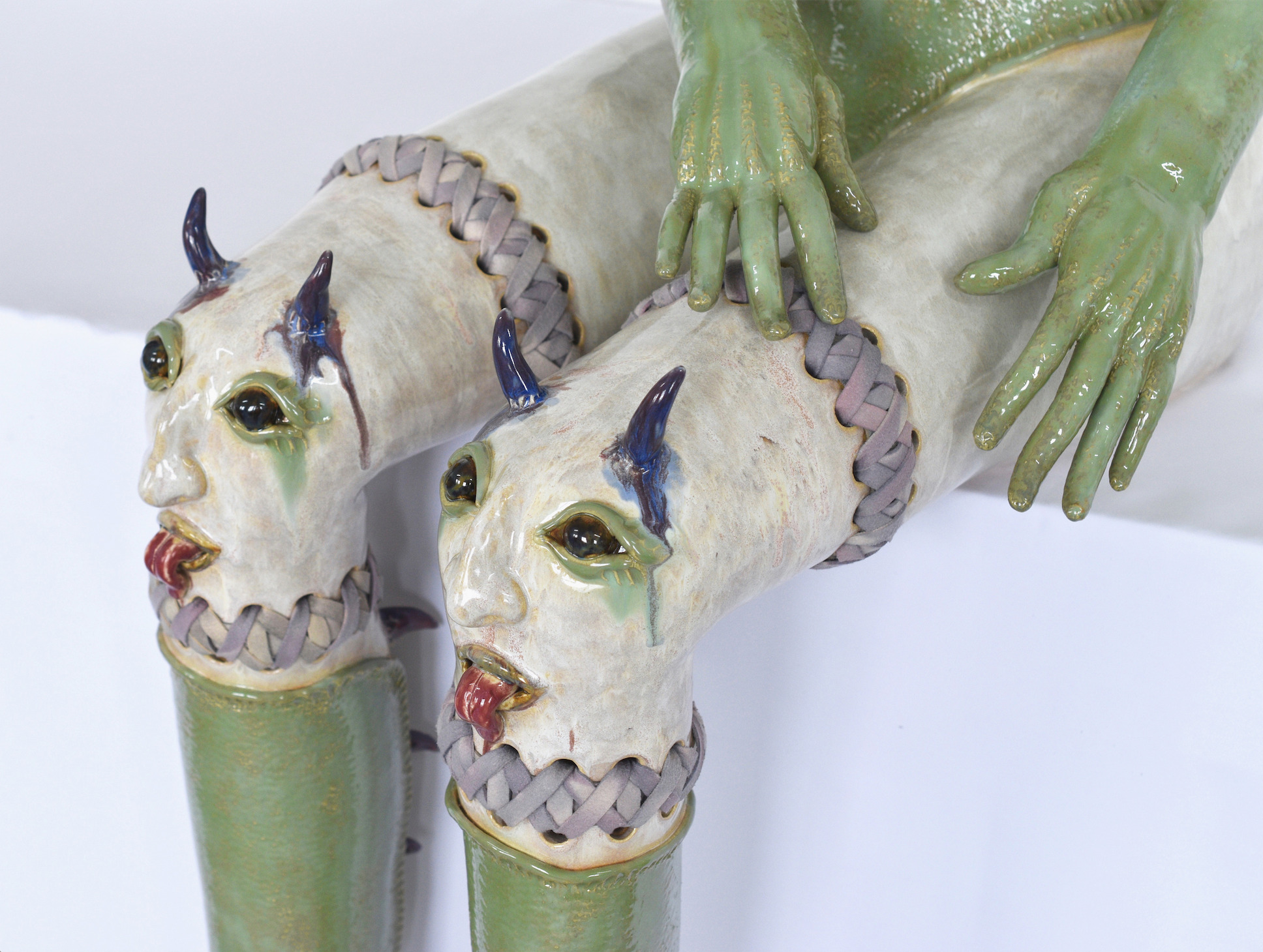
Becky Tucker: what if the future looked like an archaeological artefact?
Pale creatures, impossible reptiles, armour, faces emerging from knees and ceramics that could be a hundred or three thousand years old. Becky Tucker creates objects deliberately difficult to place in time, bringing archaeology, mythology, horror and science fiction together. But if someone were to discover the remains of our civilisation one day, how much would they really understand about us?
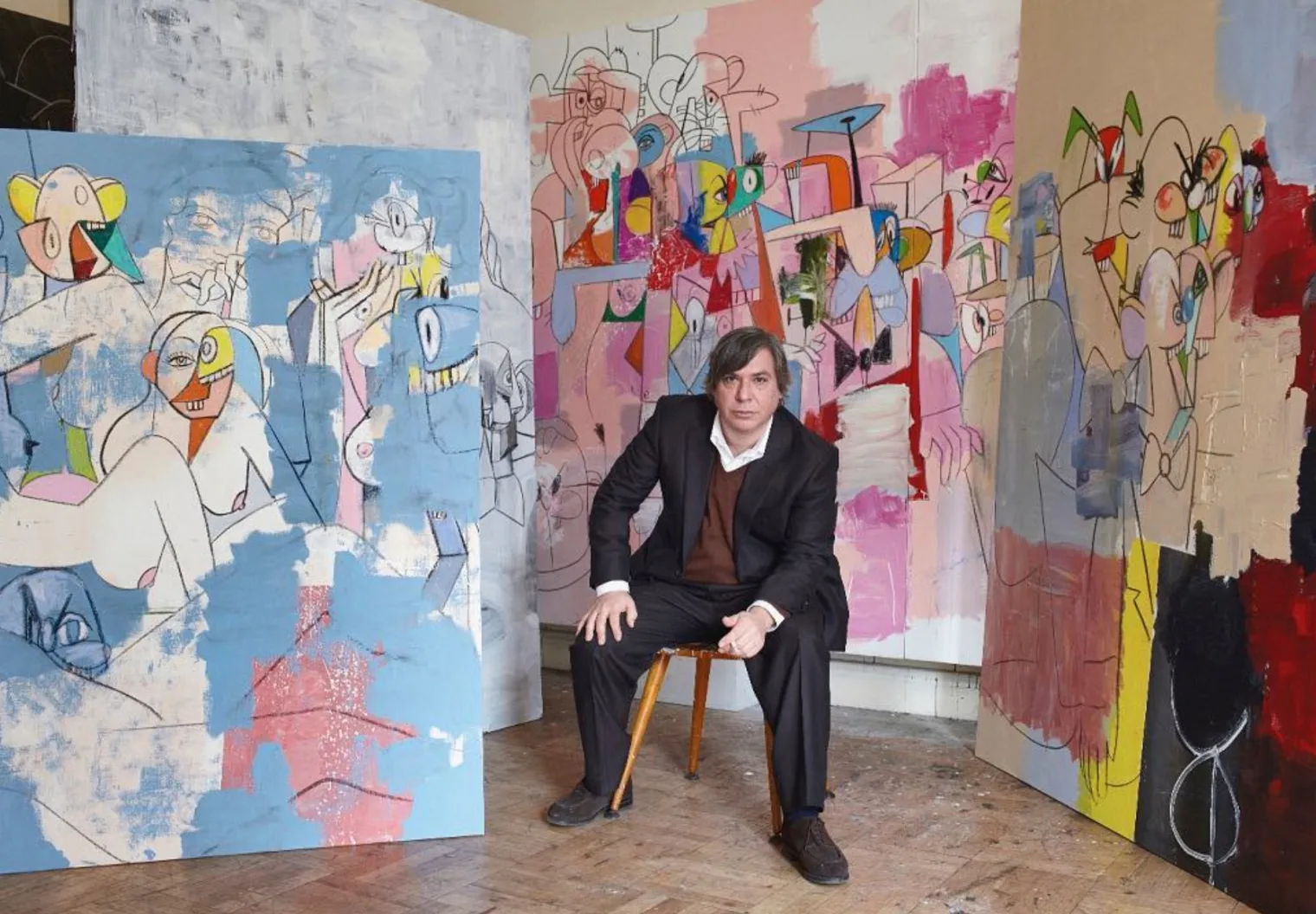
George Condo: how many people can live inside one face?
Misaligned eyes, mouths crowded with teeth, distorted aristocrats, clowns, Picasso, Old Masters and hip-hop covers. For more than forty years, George Condo has painted impossible faces to describe something profoundly real: a person can be joyful, violent, vulnerable, arrogant and terrified almost at the same time. From the Venice Biennale to collaborations with Kanye West and Travis Scott, his painting has moved between museums and popular culture without choosing between them. Perhaps a face is not meant to show us who we are, but all the people we might be at once.
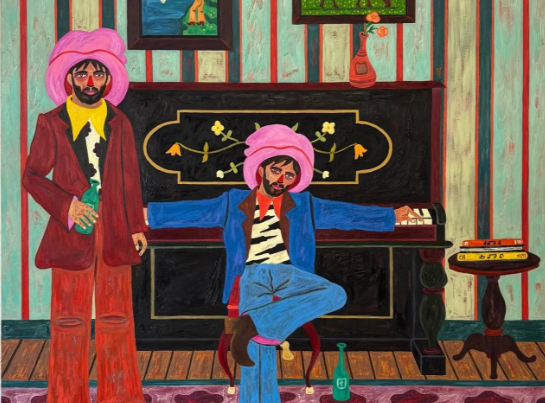
Ben Crase: what happens when the cowboy no longer has to be tough?
Pink hats, saloons, bears, big cats, chandeliers and men who look like brothers. Ben Crase takes one of the most enduring symbols of the American imagination—the cowboy—and moves him away from conquest, toughness and solitude to explore friendship, vulnerability and belonging. But how much can a myth change when we finally allow its men to be gentle?
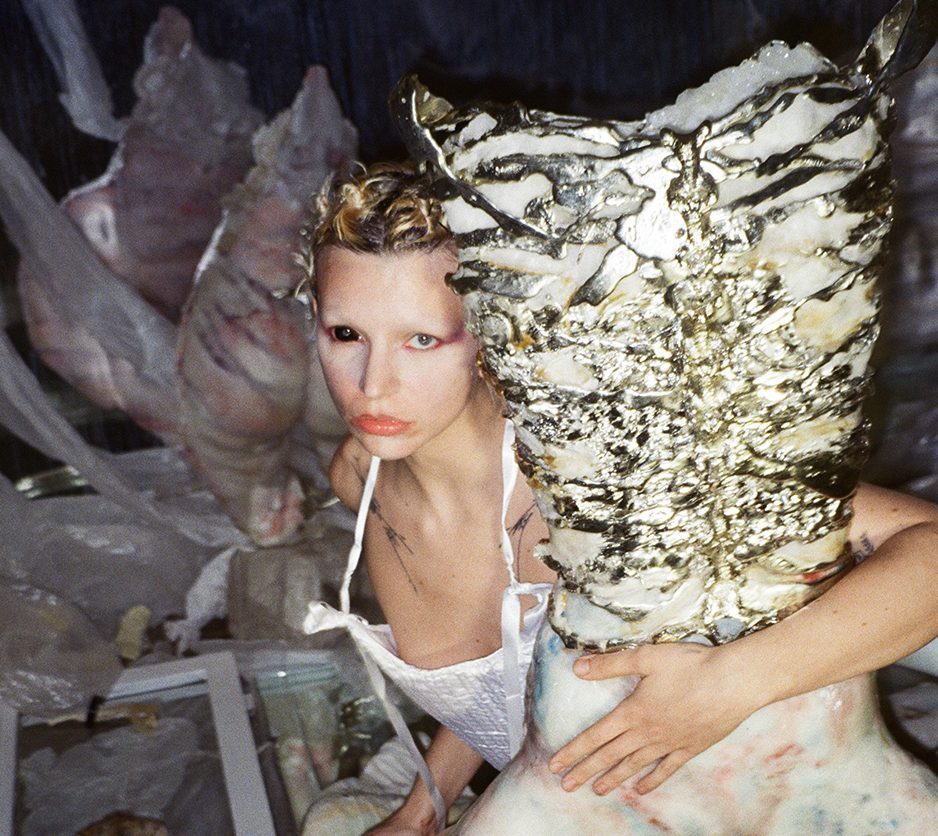
Ambra Castagnetti: how much of us truly belongs only to us?
Snakes, bound bodies, wax, orchids, avatars and digital apparitions. Ambra Castagnetti creates a world in which the human, the animal and the technological continually cease to exist as separate categories. From the Venice Biennale to MAMBO in Bogotá, her practice begins with a question that concerns us all: if our bodies are shaped by relationships, environment, desire and technology, how much of what we call “I” truly belongs only to us?
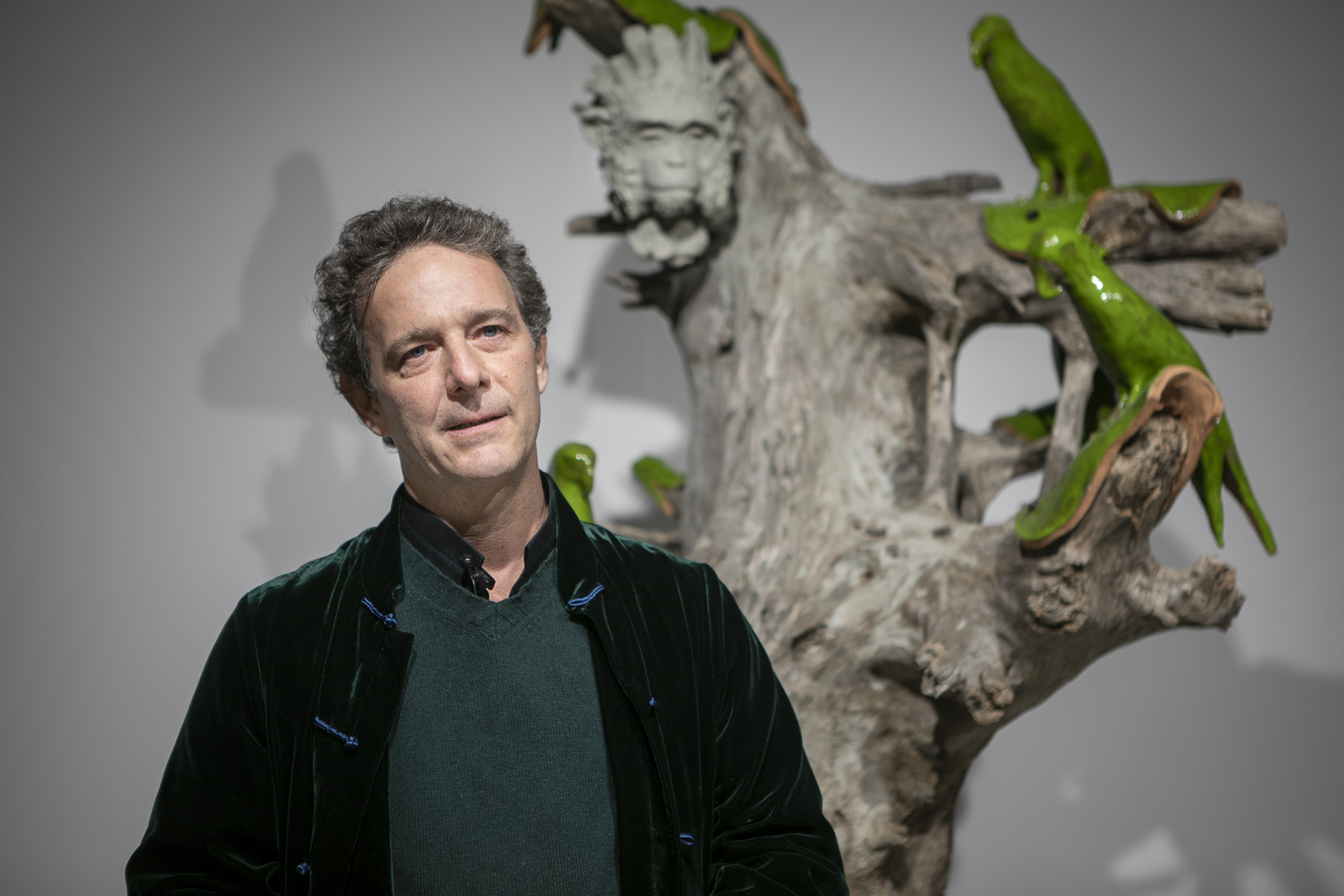
Benedetto Pietromarchi: building a bestiary for a changing world
Birds, roots, marine creatures and impossible animals inhabit Benedetto Pietromarchi’s sculpture, yet nature is never treated as something stable to be reproduced. Trained in classical sculpture and architecture, after fifteen years in London the artist found in the Maremma landscape a territory from which to extract materials, images and new mythologies. From terracotta to contemporary bestiaries, his work explores a world in which animal, vegetal, mineral and artificial forms seem increasingly difficult to separate.
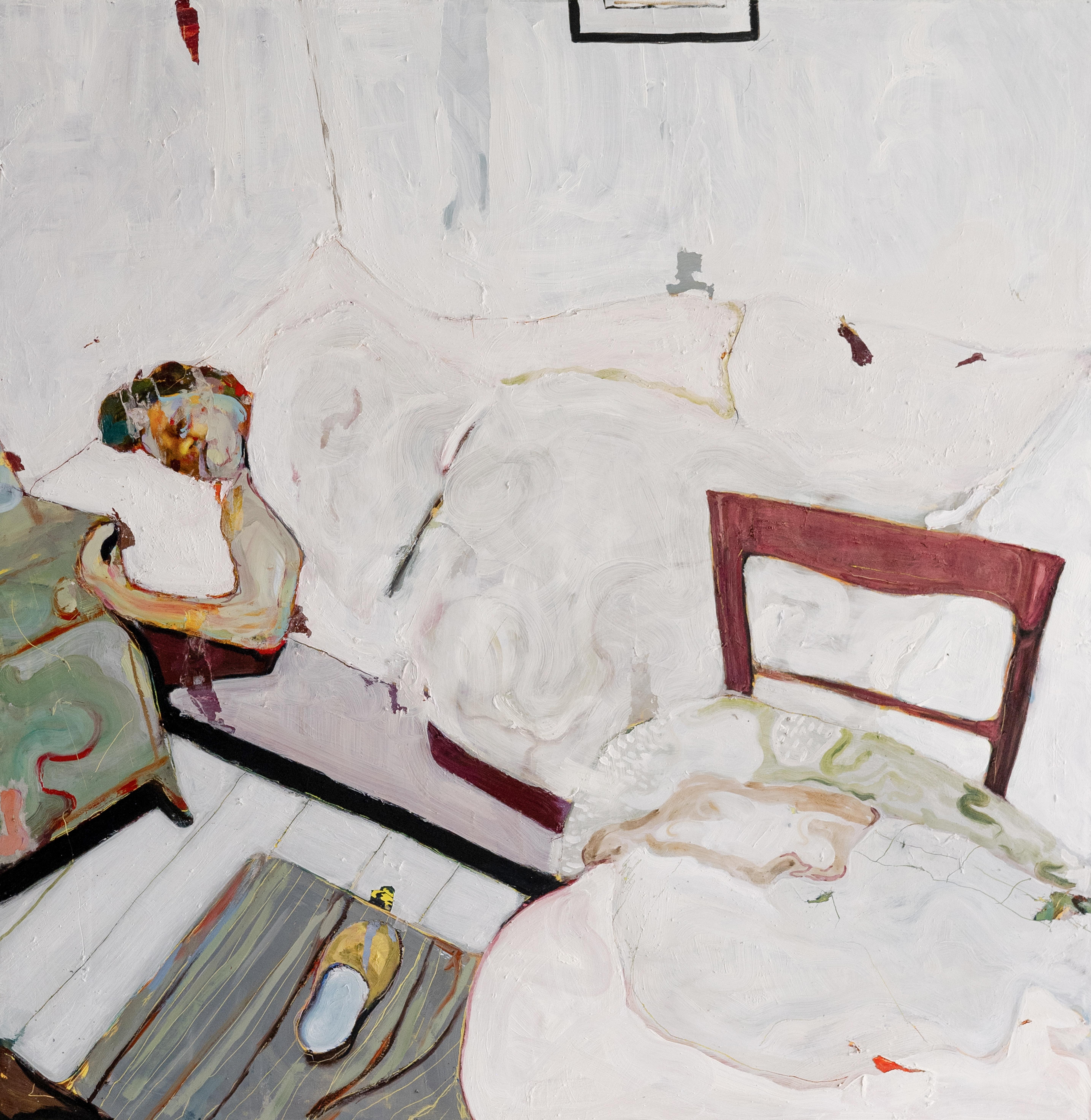
Giuseppe Gallace: painting what is missing
Domestic interiors, figures seemingly about to appear or disappear, suspended colours and details that interrupt the logic of a scene. Giuseppe Gallace creates paintings in which what is missing matters as much as what is represented. In 2025, Darte presented Fragmenta, his solo exhibition in the Sacristy of San Francesco della Scarpa in Lecce: eight oil paintings exploring a practice that does not tell complete stories, but leaves viewers to imagine what happened before and what might happen next.
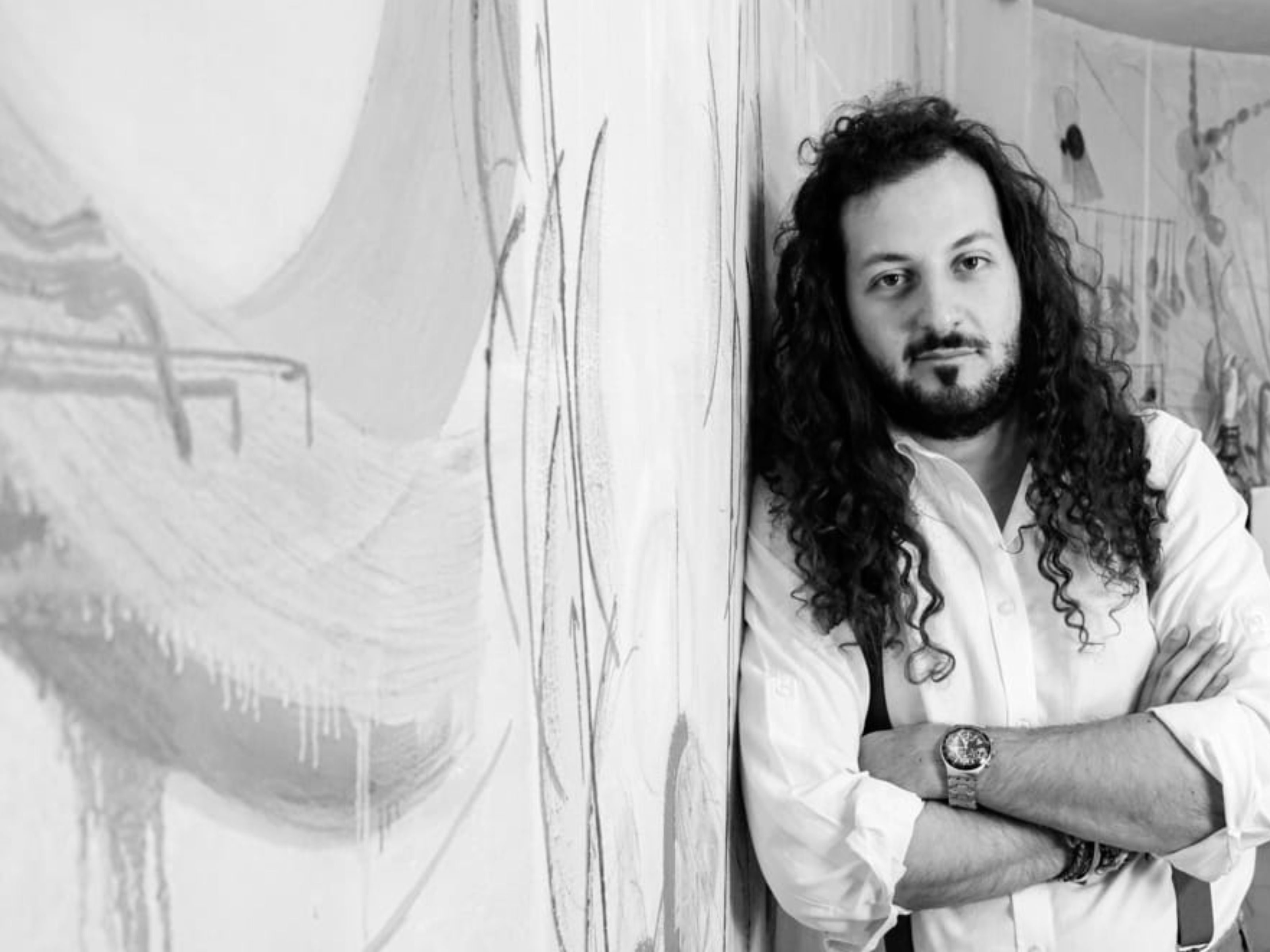
Giampaolo Parrilla: painting after the crisis of images
News photography, propaganda, social media, surveillance, war imagery and AI-generated content now coexist within the same visual space. Giampaolo Parrilla uses painting to slow this flow down and examine the way images construct what we understand as reality. In 2026, Darte curated his solo exhibition Redemption Machines at Fondazione Palmieri in Lecce, connecting this research with the history of a place shaped by protection, discipline and control.
Where to Drink in Lecce: 5 Places We Recommend
Five addresses in Lecce’s historic centre for drinking well without having the same evening twice: cocktails in the street, wine, beer, a hidden speakeasy and a place where wine, food and mixology come together.
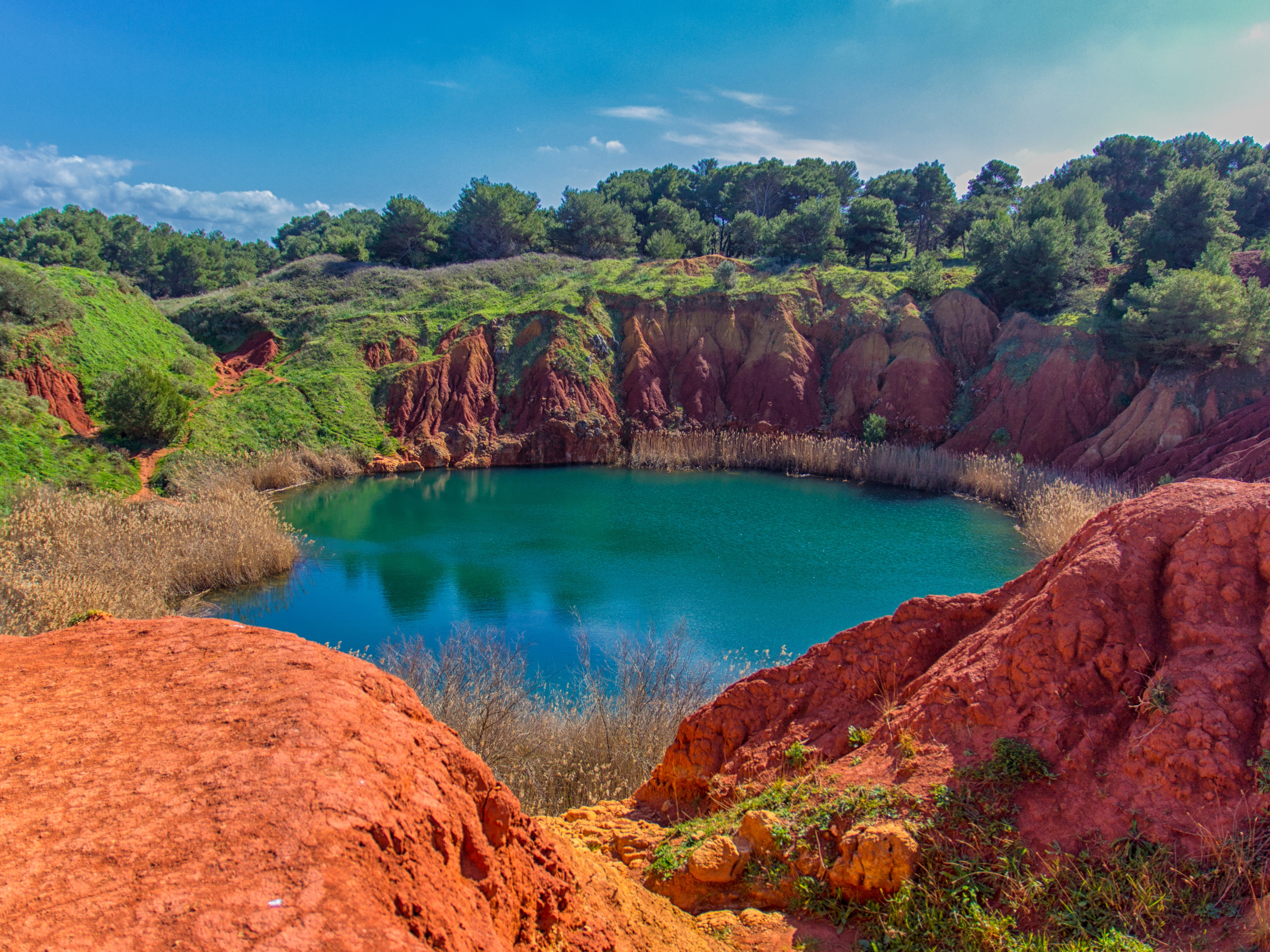
Discover Salento from Lecce: 5 Incredible Places in the Heart of the Mediterranean
From Lecce towards the Adriatic and Ionian seas: Otranto, Gallipoli, Porto Selvaggio, the Alimini Lakes and the Bauxite Quarry. Five places revealing just how much Salento can change in less than an hour on the road.
Where to Eat in Lecce: 5 Places We Recommend
Five addresses in central Lecce for discovering Salento cuisine through historic osterias, more contemporary tables, aperitivo and home-style flavours. Darte’s selection for deciding where to eat during your stay.
Where to Eat in Venice: 5 Places We Recommend
Five addresses we recommend for eating in Venice, across Cannaregio, Dorsoduro and San Marco: Venetian cuisine, lagoon seafood, waterside tables and places to choose according to the kind of evening you want.
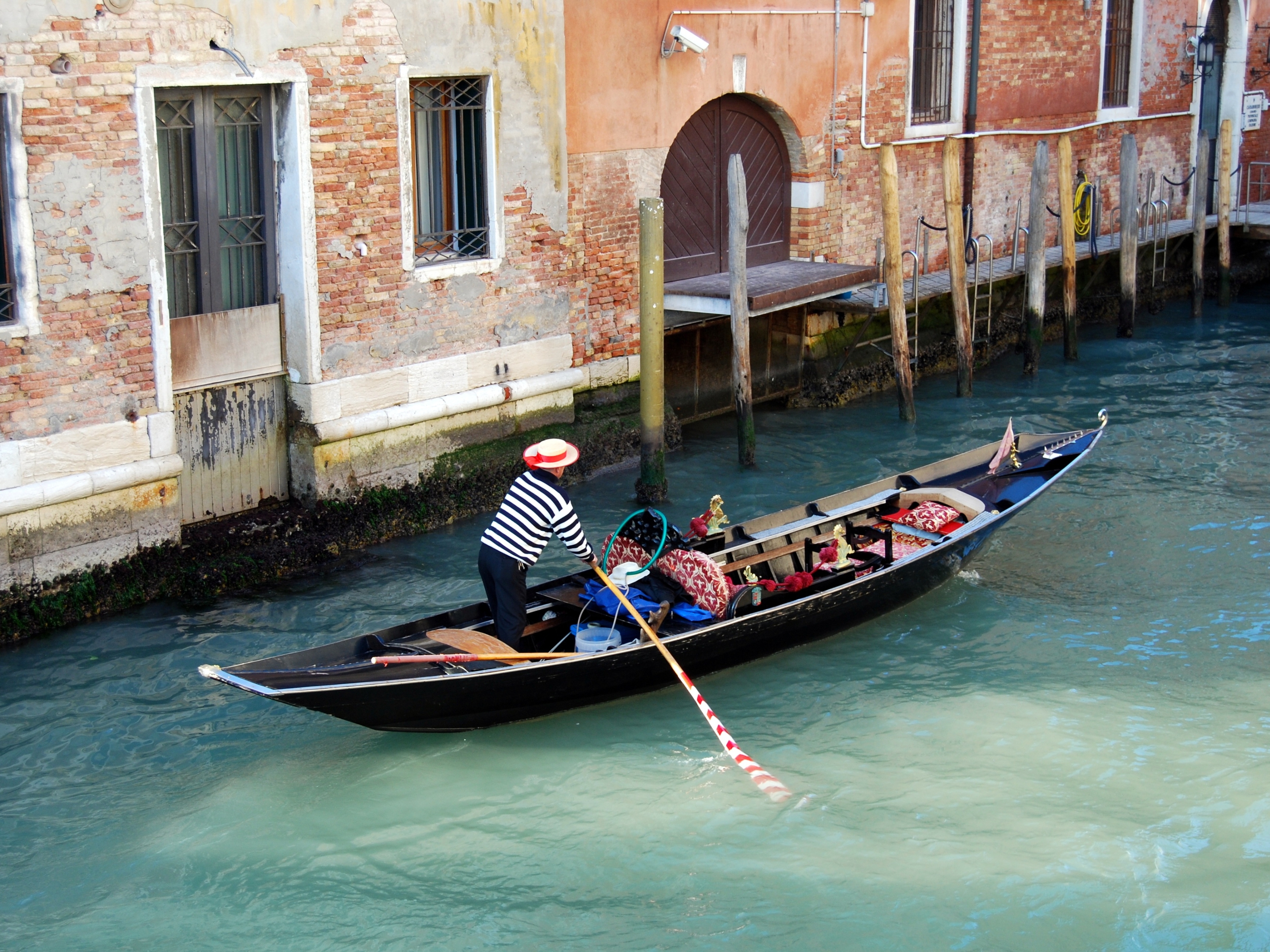
General Guide to Venice
An essential guide to understanding Venice from day one: Darte exhibition venues, where to stay, how to arrive and get around, what to know about the city and everything useful during your stay.
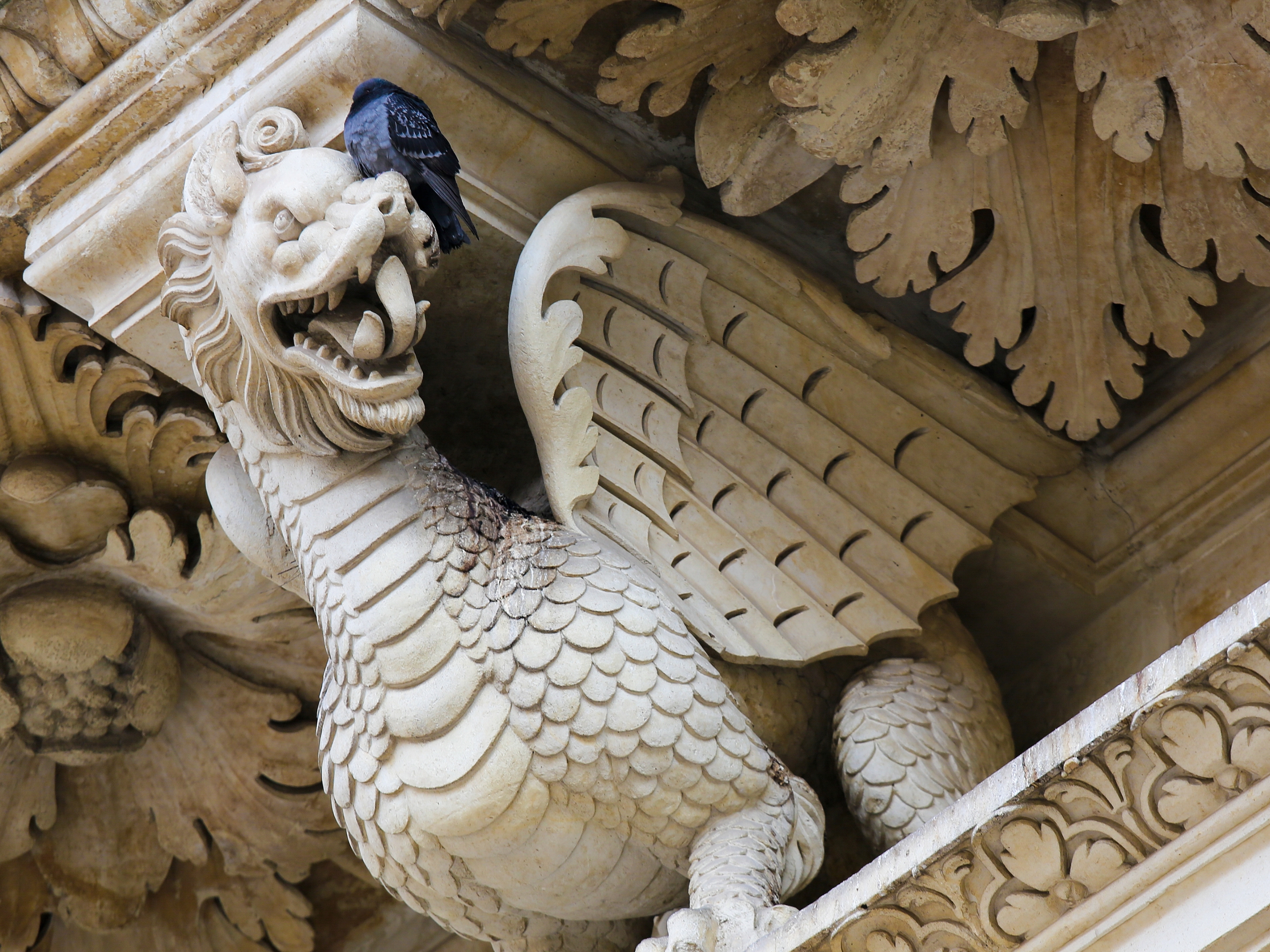
General Guide to Lecce
An essential guide to understanding Lecce from day one: Darte exhibition venues, where to stay, how to arrive and get around, what to know about the city and how to discover something of Salento during your stay.
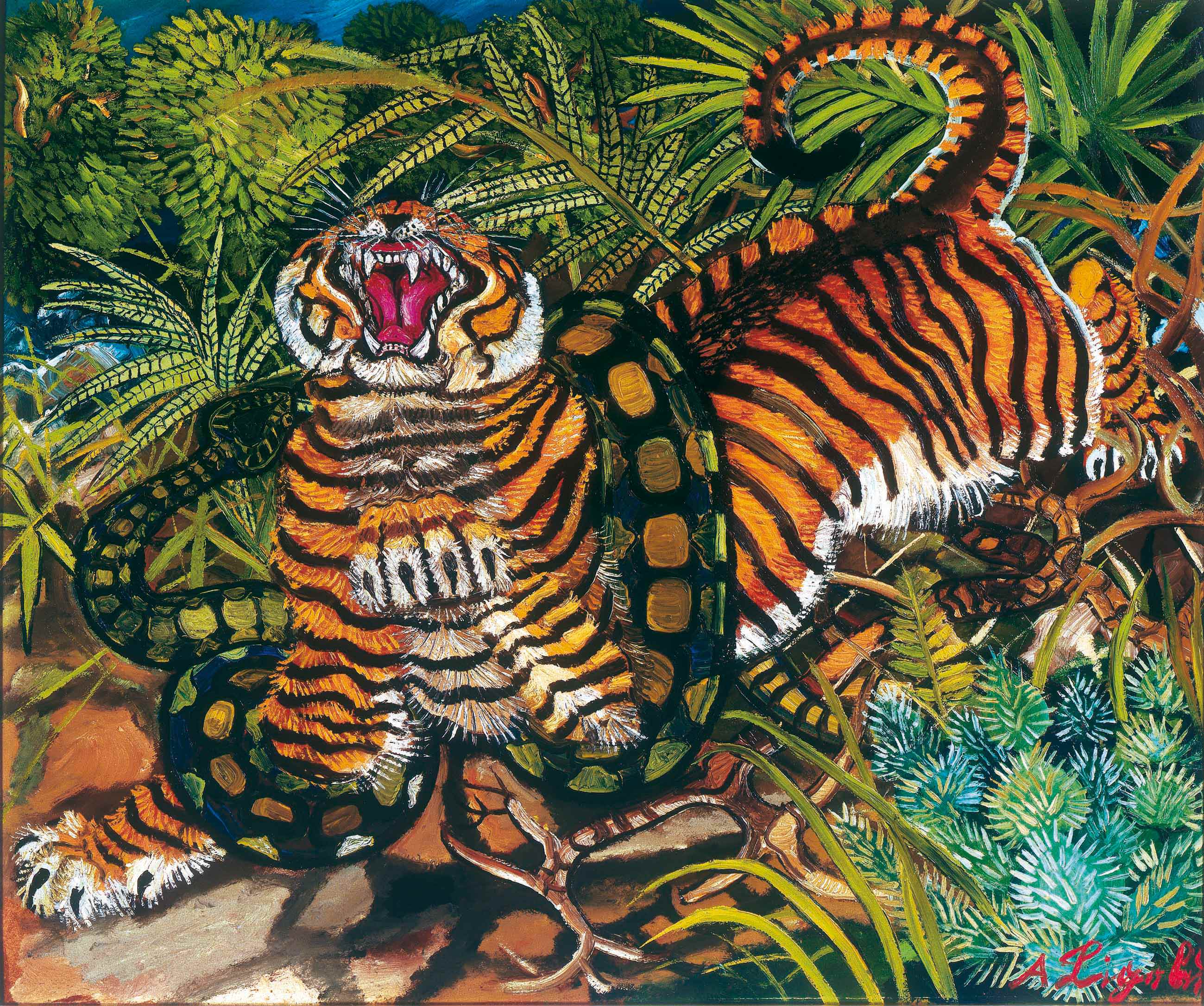
Antonio Ligabue: when art arrives before the system
Obsessive self-portraits, wild animals, landscapes of the Po Valley, and a practice developed outside academic pathways. Antonio Ligabue’s story has often been told through marginalisation and suffering. But what happens if we stop looking at his biography first and begin with the work?
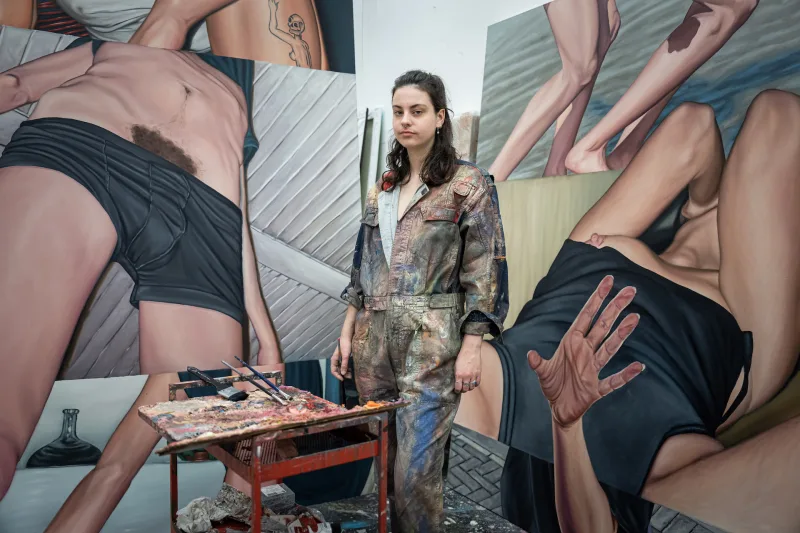
Bobbi Essers: friendship deserves a large painting
Embraces, hands, clothes, cars, and fragments of nights spent together. Bobbi Essers transforms analogue photographs of her friends into large-scale paintings in which faces often disappear. What remains at the centre is something art has depicted less often than we might think: the way friendship helps construct who we are.
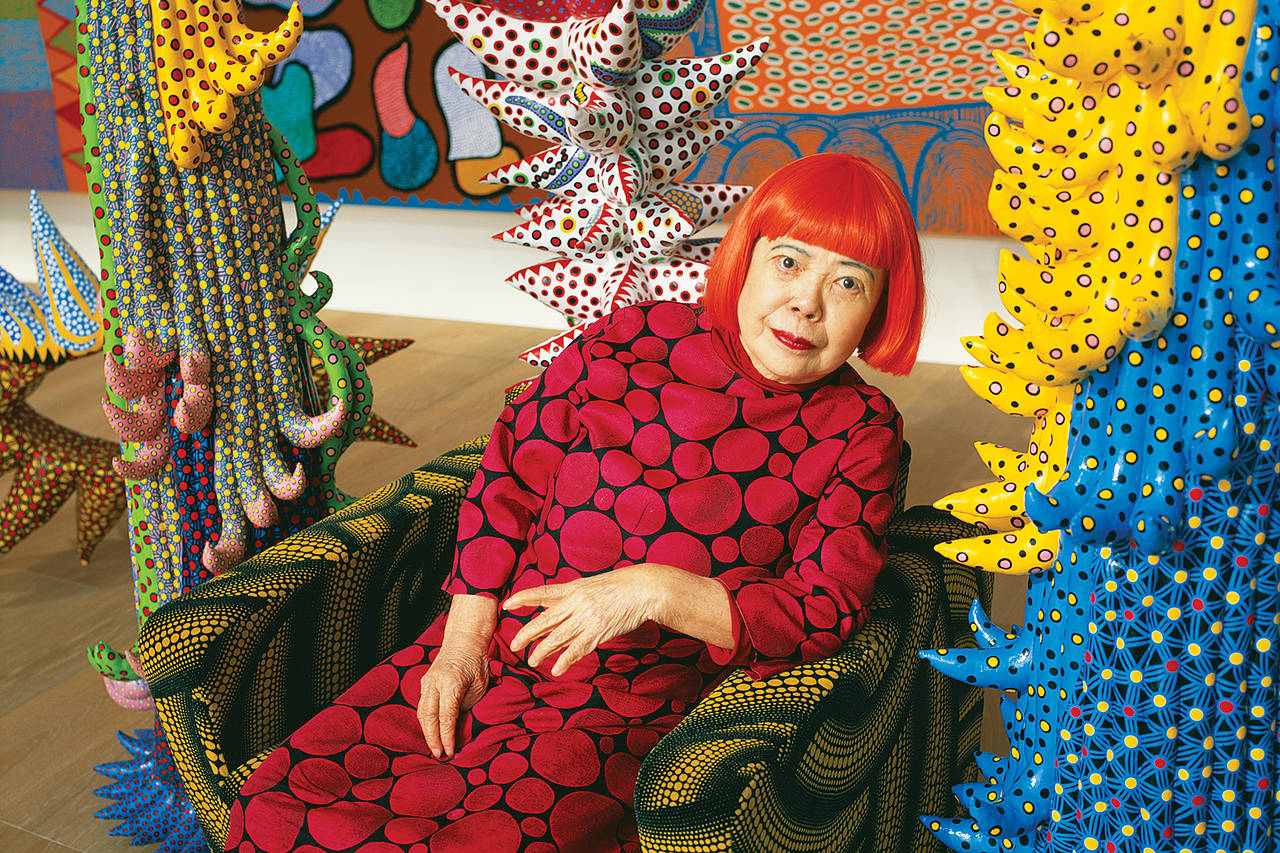
Yayoi Kusama: disappearing into infinity
Polka dots, nets, mirrors, pumpkins, and rooms without end. Behind one of contemporary art’s most recognisable visual languages, Yayoi Kusama has spent more than seven decades exploring the dissolution of the self. But what happens when art created to make the individual disappear becomes instantly recognisable to millions?
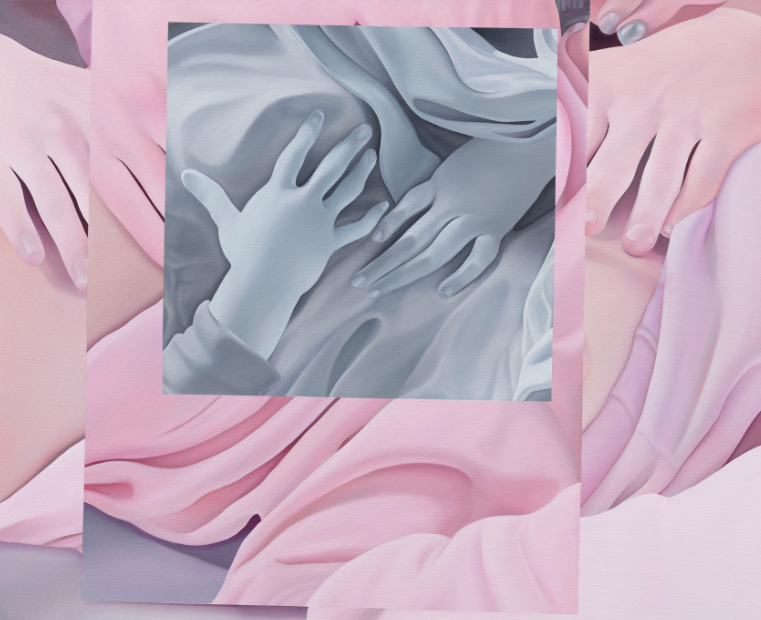
Vivian Greven: the body in the age of perfect images
Bodies polished like marble, flawless skin, touching hands, and figures suspended between classical sculpture and digital avatars. Vivian Greven uses painting to explore a contemporary contradiction: we have never seen so many images of the body, but does seeing still mean sensing its presence?
 Featured
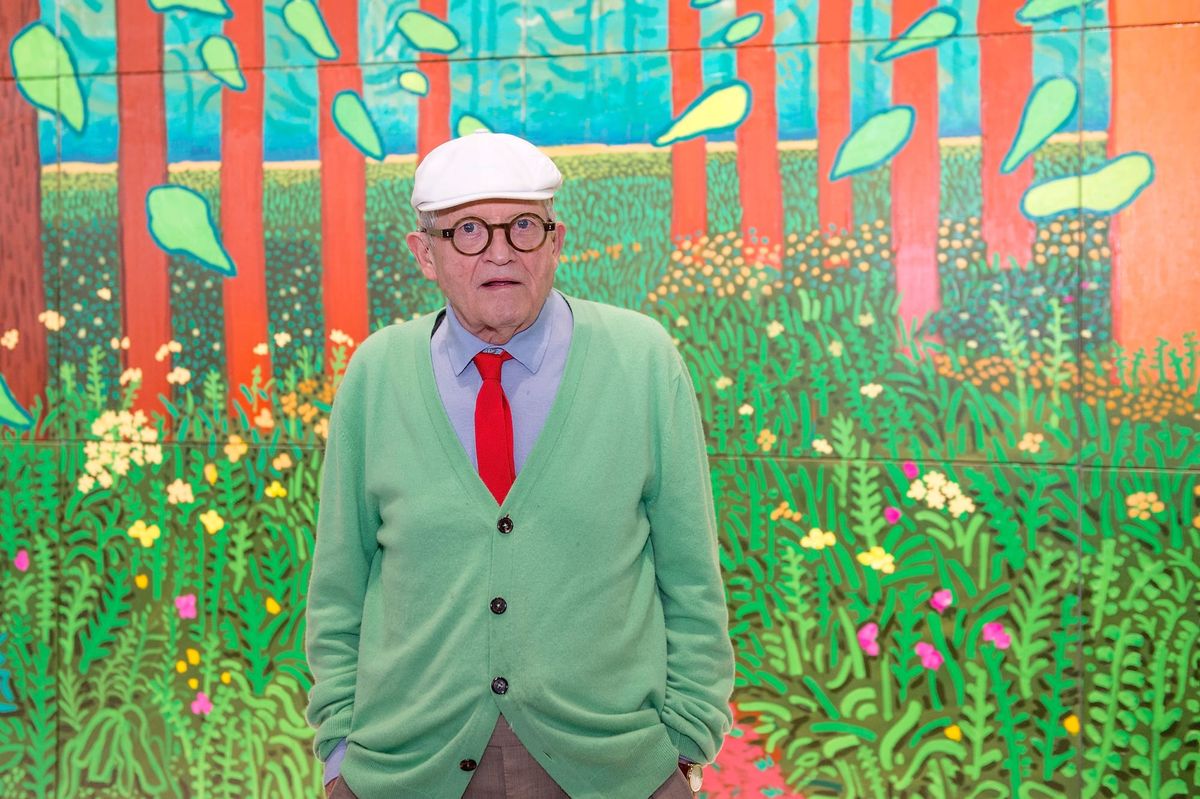
David Hockney: learning to see the world all over again
From Californian swimming pools to photographic collages, portraits and iPad drawings, David Hockney moved through almost seven decades of art without ever stopping his experimentation. Behind every new tool, however, remained the same question: how can we see what is in front of us more clearly?
 Featured
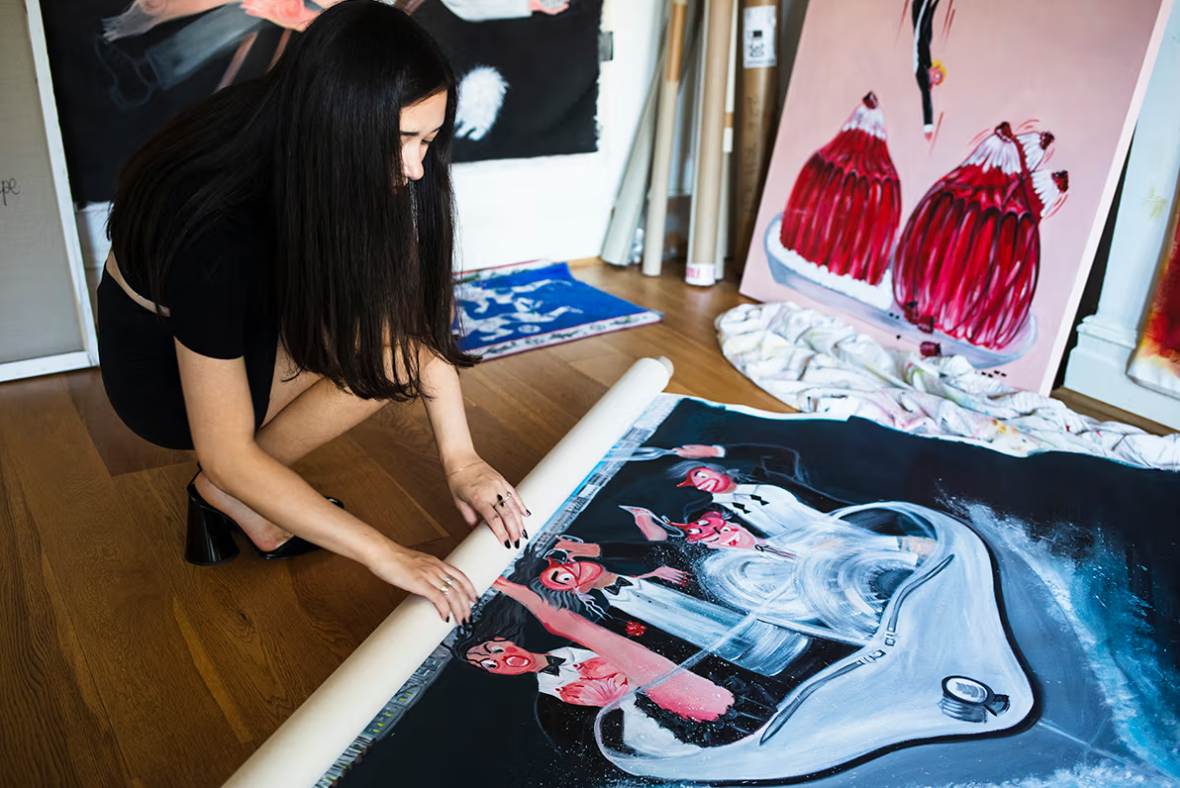
Oh de Laval: desire before judgement
Distorted bodies, Venetian pink, sex, humour, and sudden eruptions of violence. Oh de Laval creates apparently playful scenes to explore desire, morality, and human behaviour. But who really decides where pleasure ends and transgression begins?
 Featured
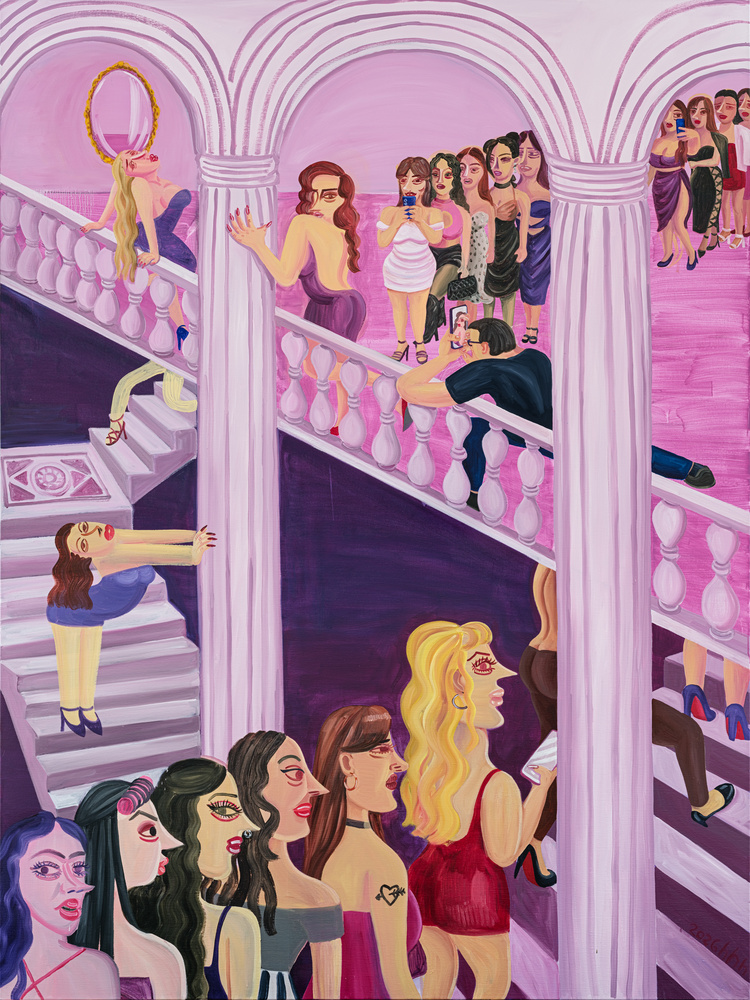
Hai-Hsin Huang: absurdity is already all around us
Disastrous weddings, art fairs, gyms, museums, unfamiliar dogs, and holiday crowds. Hai-Hsin Huang observes everyday life and transforms it into a slightly unsettling comedy, where anxiety, conformity, and vulnerability emerge beneath bright colours.
 Featured
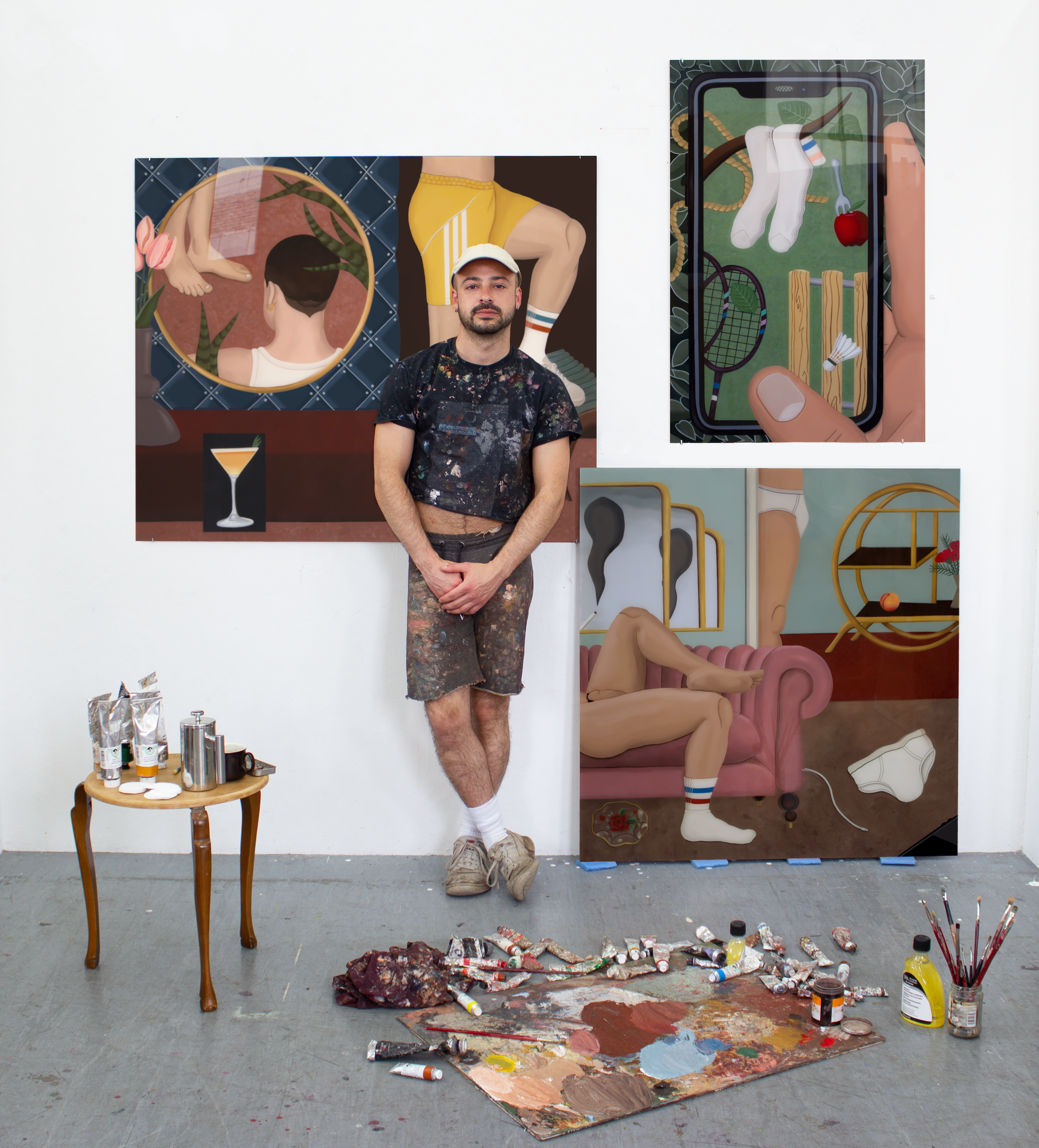
Gori Mora: how close are we when a screen stands between us?
Bodies, mirrors, private rooms, and surfaces that reflect the viewer. Gori Mora uses painting to explore desire, queer identity, and relationships in a world where meeting has become easier, but genuine closeness has not necessarily followed.
 Featured
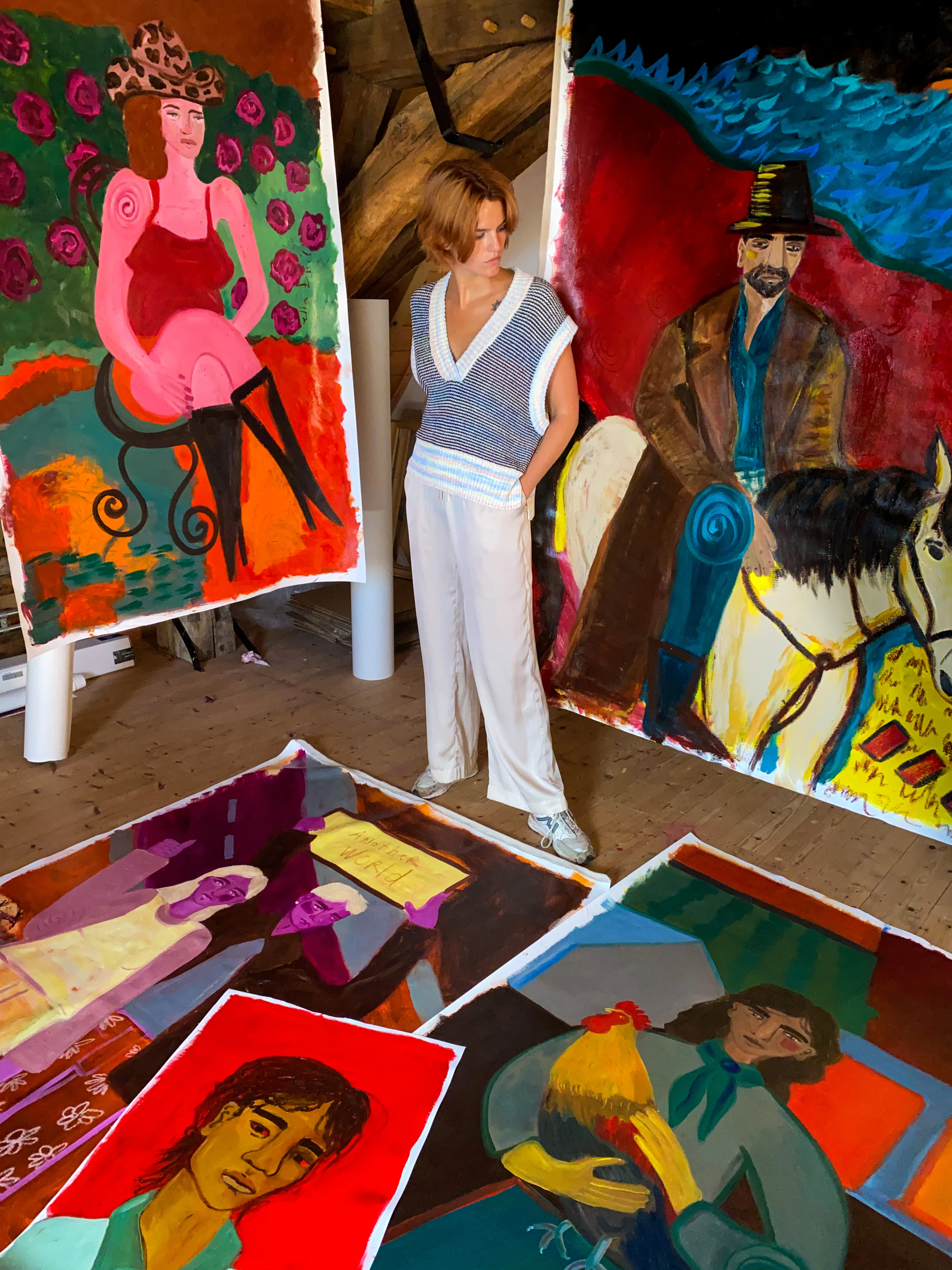
Ella Bril: painting when your time is no longer yours alone
Motherhood changed the subjects of Ella Bril’s paintings, but more importantly the conditions under which they are made. Motherhood: Luminous Origins begins with bodies, sleepless nights, and acts of care to open a broader question: what happens to the figure of the artist when making art can no longer be separated from the rest of life?
 Featured
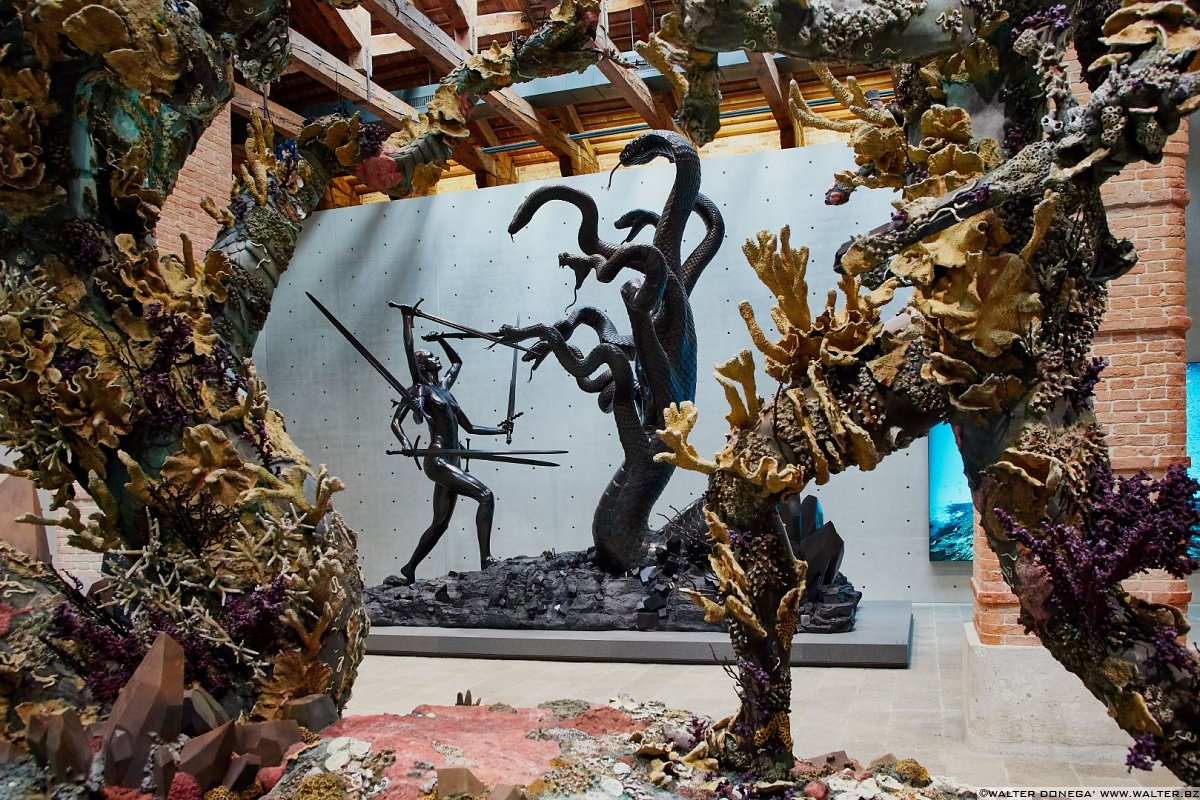
Damien Hirst: the art that refused to be ignored
A shark suspended in formaldehyde, divided animals, pills, butterflies, and millions of pounds moving directly from the studio to the auction house. Damien Hirst turned death, beauty, the market, and spectacle into parts of the same language. But how much of his importance lies in the artworks, and how much in the system he built around them?
 Featured
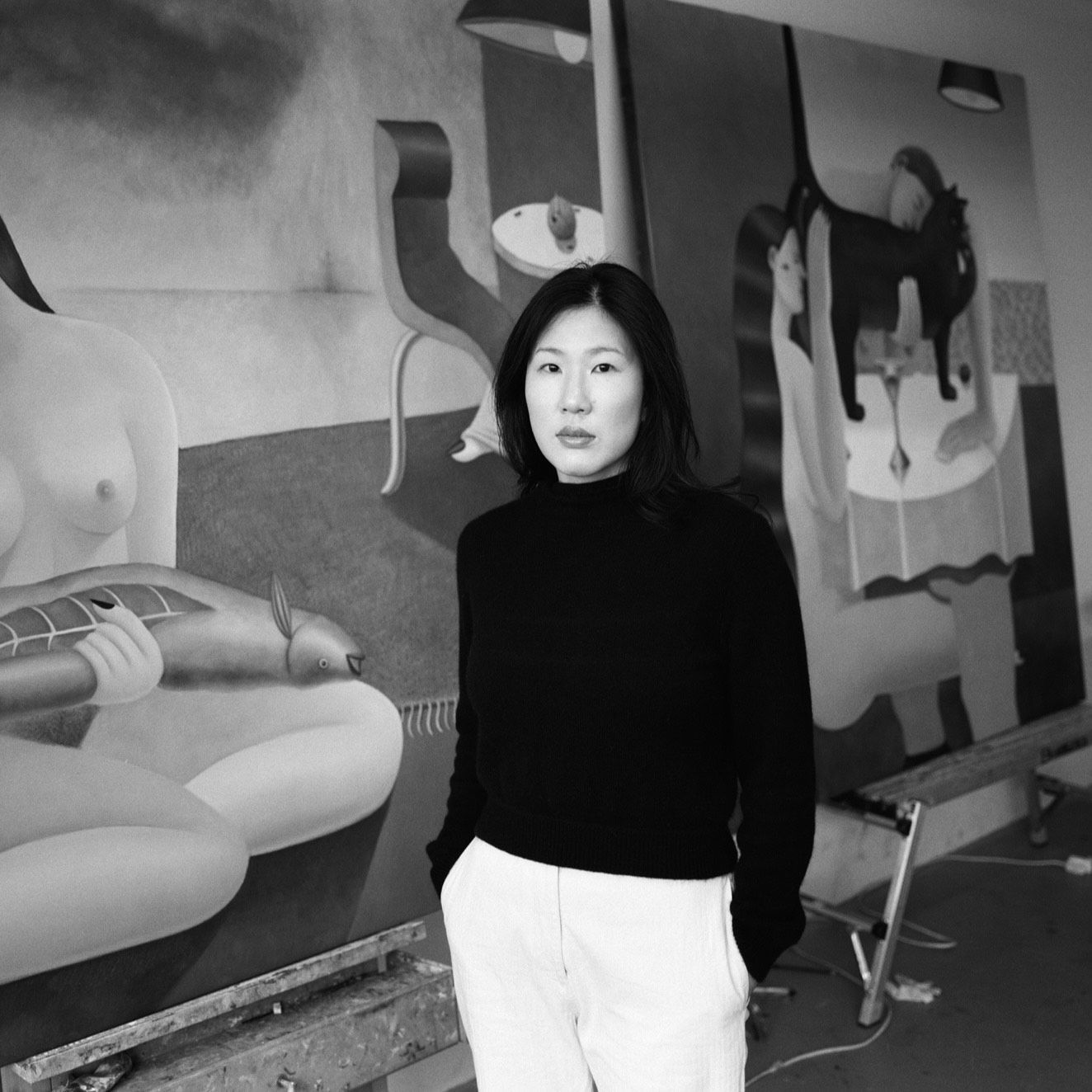
GaHee Park: what happens when no one is looking
Solitary women, cocktails, fish, windows, lovers, and presences that seem to emerge from dreams. GaHee Park creates paintings suspended between desire and unease, where private life is never completely protected from the gaze.
 Featured
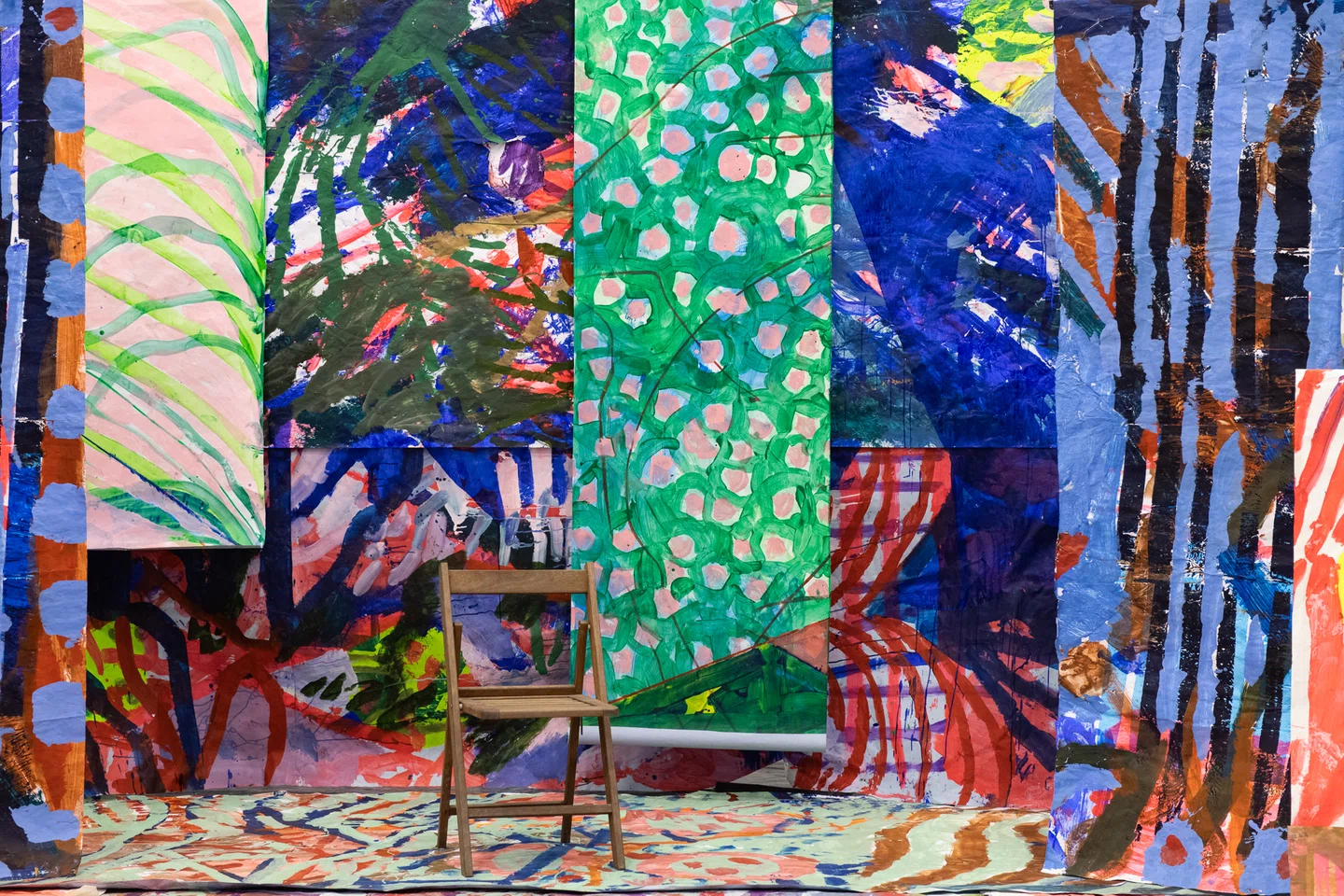
Geoffroy Pithon: what happens when painting leaves the frame?
Paper, pigments, screenprinting, fluorescent colours, and monumental installations. Geoffroy Pithon moves between painting and graphic design, creating images designed not only to be seen, but to become part of the space around them.
 Featured
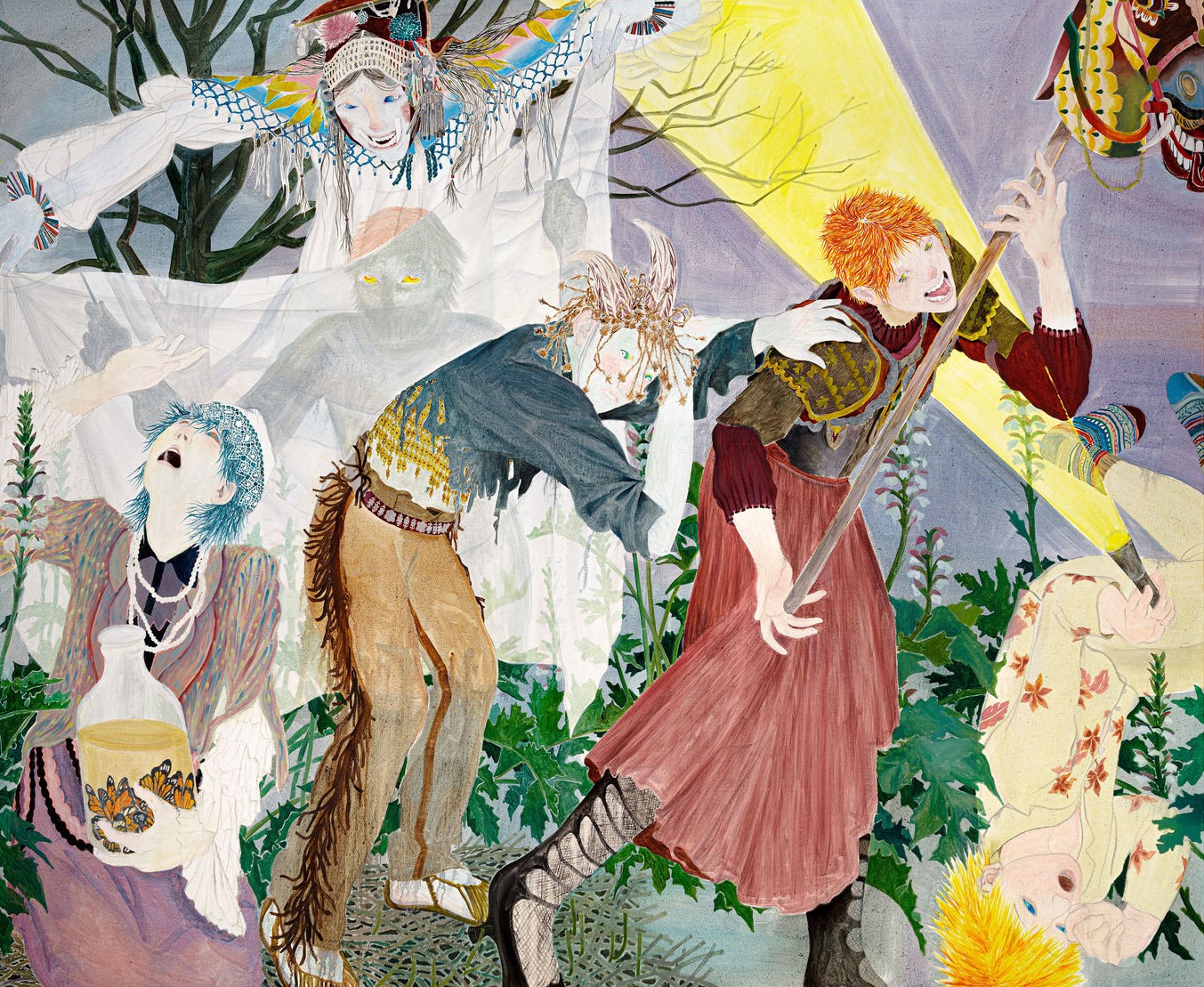
Ding Shilun: painting the present as a personal mythology
Manga, Chinese folklore, Goya, fashion, cinema, and pop culture coexist in Ding Shilun’s large-scale paintings. Born in Guangzhou and working between China and London, the artist transforms the confusion of contemporary life into personal fables suspended between seduction and unease.