
David Hockney: learning to see the world all over again
From Californian swimming pools to photographic collages, portraits and iPad drawings, David Hockney moved through almost seven decades of art without ever stopping his experimentation. Behind every new tool, however, remained the same question: how can we see what is in front of us more clearly?
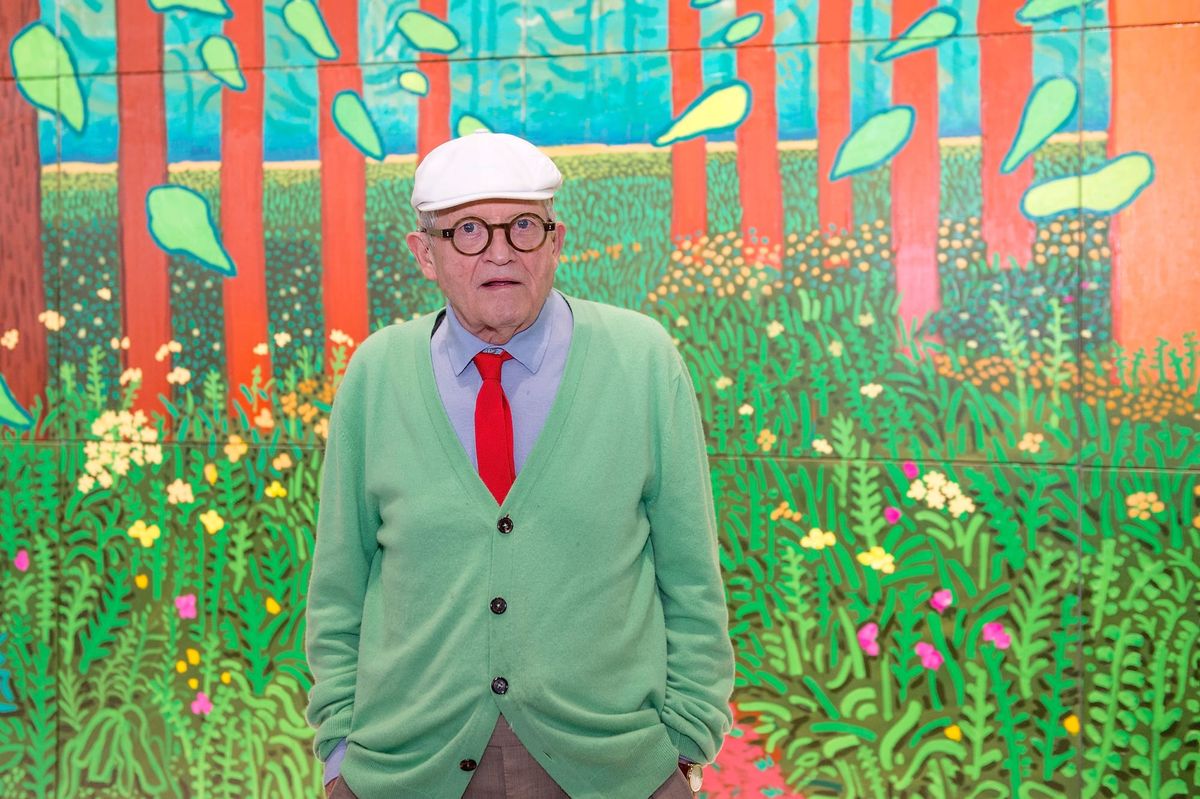
“Do remember they can’t cancel the spring.”
— David Hockney - Fondation Louis Vuitton for Hockney 25
Never stop looking
David Hockney died in London on 11 June 2026, aged 88. As newspapers and institutions revisited his pools, portraits, landscapes, and digital images the following day, it became clear how difficult it was to reduce his practice to a single period. Born in Bradford in 1937 and initially associated with British Pop Art, Hockney worked across painting, drawing, printmaking, photography, stage design, video, iPhone and iPad. In 2025, the Fondation Louis Vuitton brought together more than 400 works made between 1955 and 2025, offering perhaps the clearest picture of the continuity behind all these changes: an almost obsessive interest in the way we see.
California before Instagram
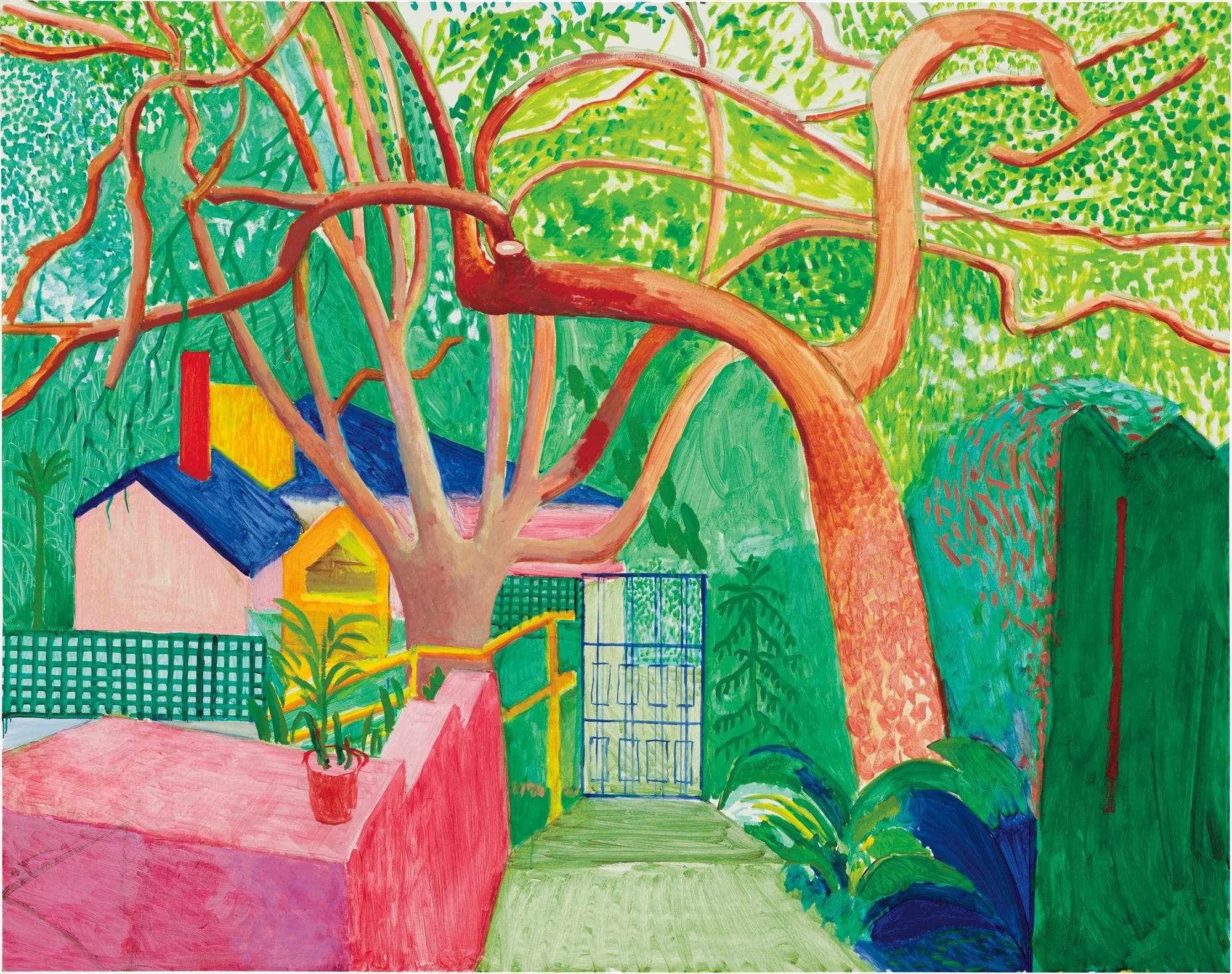
When Hockney arrived in Los Angeles in the 1960s, he encountered something European painting had not yet given him: light, space, swimming pools, modernist architecture, and an apparently freer visual culture. A Bigger Splash, painted in 1967, condenses all of this into a few elements. A geometric house, blue sky, an almost motionless pool, and an explosion of water left behind by someone we cannot see. The painting became one of the most recognisable images of the late twentieth century, but its strength goes beyond Californian aesthetics. Hockney transforms an extremely brief event—the splash—into something that takes time to paint and even more time to observe.
A portrait is also a relationship
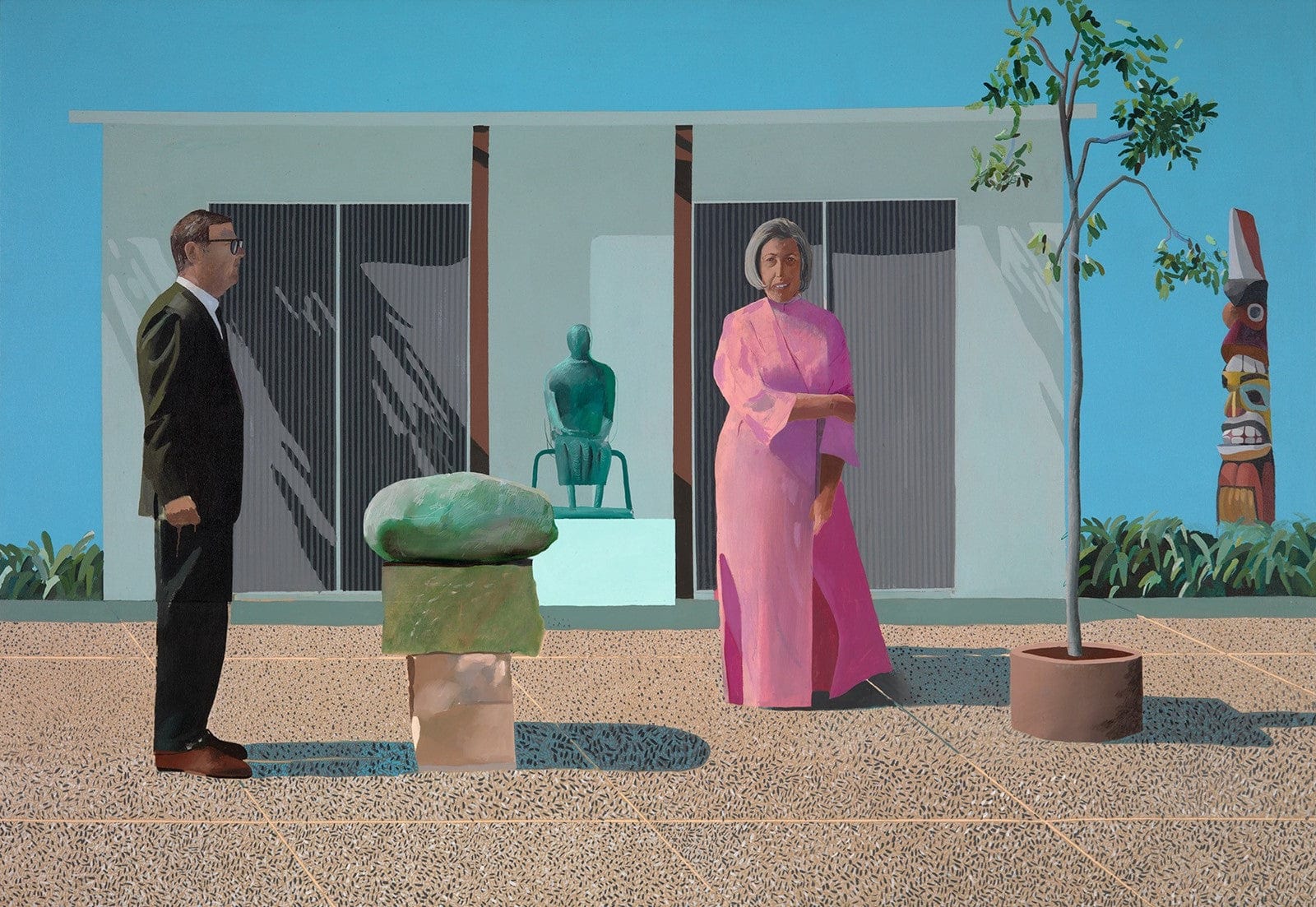
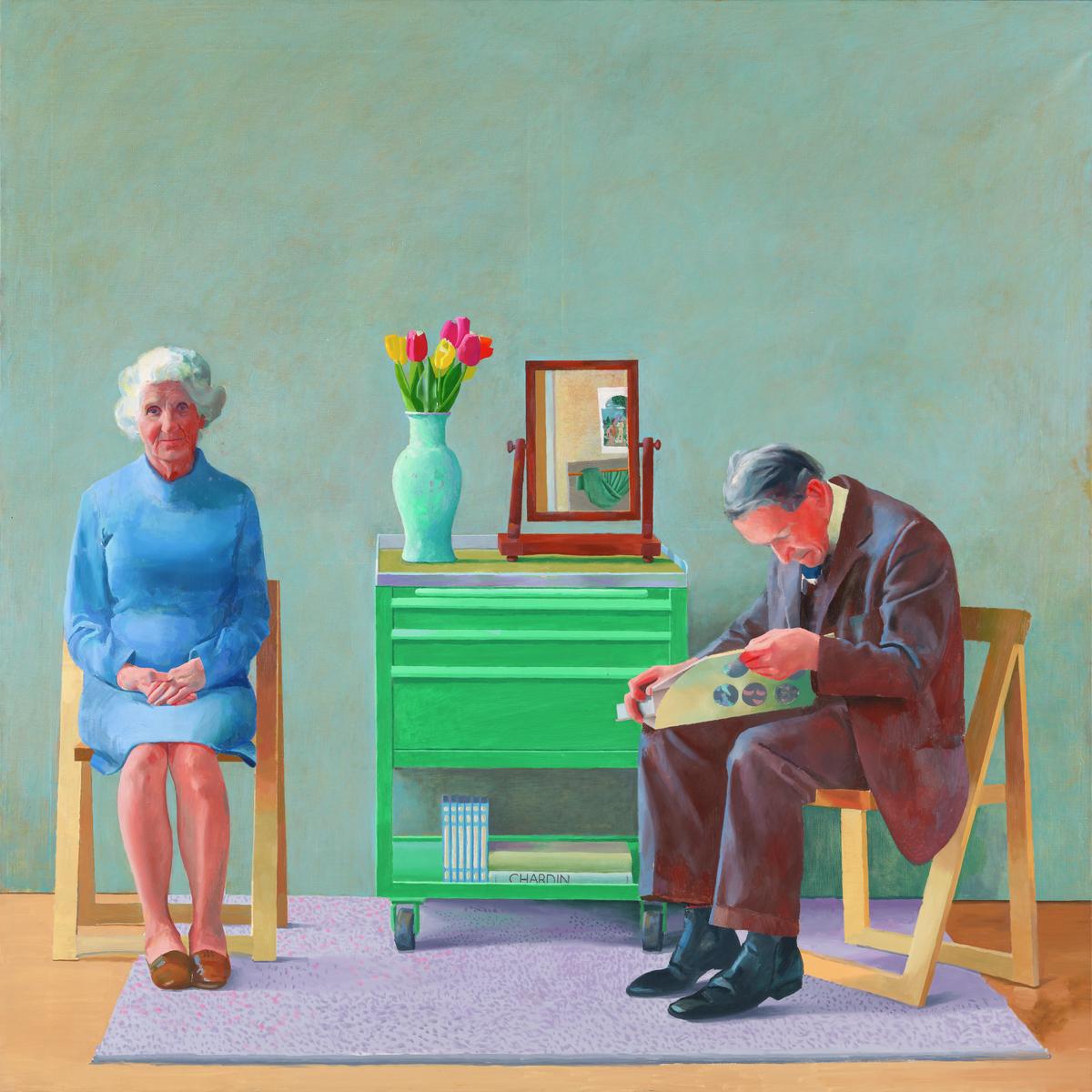
Hockney portrayed many of the same people for decades: his mother, Celia Birtwell, Gregory Evans, Maurice Payne, friends, partners, and figures from his own life. Drawing from Life, organised by the National Portrait Gallery and also presented at the Morgan Library, made this continuity particularly visible. The same faces return in pencil, etching, photocollage, iPhone and iPad drawings. The medium changes, the sitter grows older, and the artist looking at them changes too. Portraiture therefore becomes less a definitive psychological snapshot and more a relationship constructed over time.
One perspective is not enough
In the 1980s, Hockney began creating his celebrated joiners: dozens or hundreds of photographs taken from slightly different positions and recomposed into a single image. The Getty notes that he began with Polaroids before moving to commercially processed 35mm colour photographs. In works such as Pearblossom Hwy., space is no longer observed from one fixed position: the eye moves, time enters the image, and nearby and distant objects can receive equal attention. It was also a challenge to Renaissance perspective, which effectively fixes the viewer at a single point in front of the scene.
But do we really see the world from a single point of view? Hockney’s answer, through both painting and photography, seems always to have been no. Looking involves moving, remembering, selecting, and reconstructing.
The iPad did not replace the brush
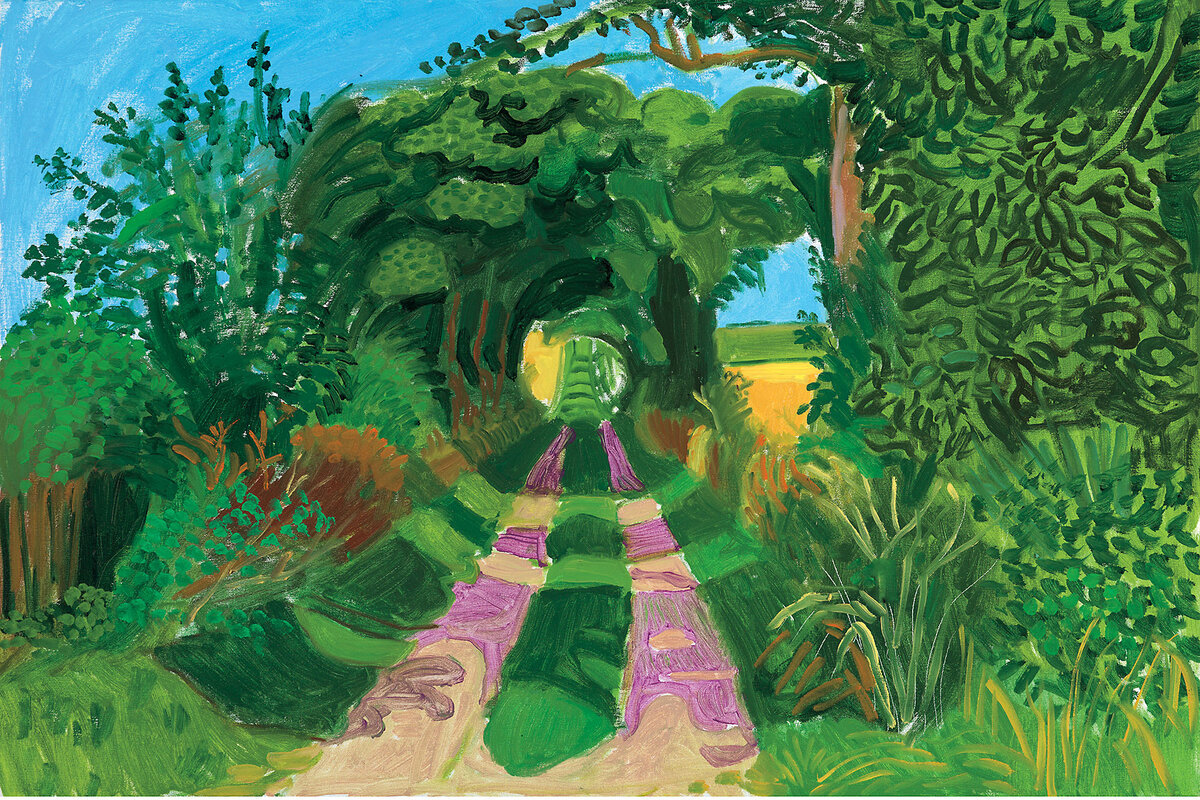
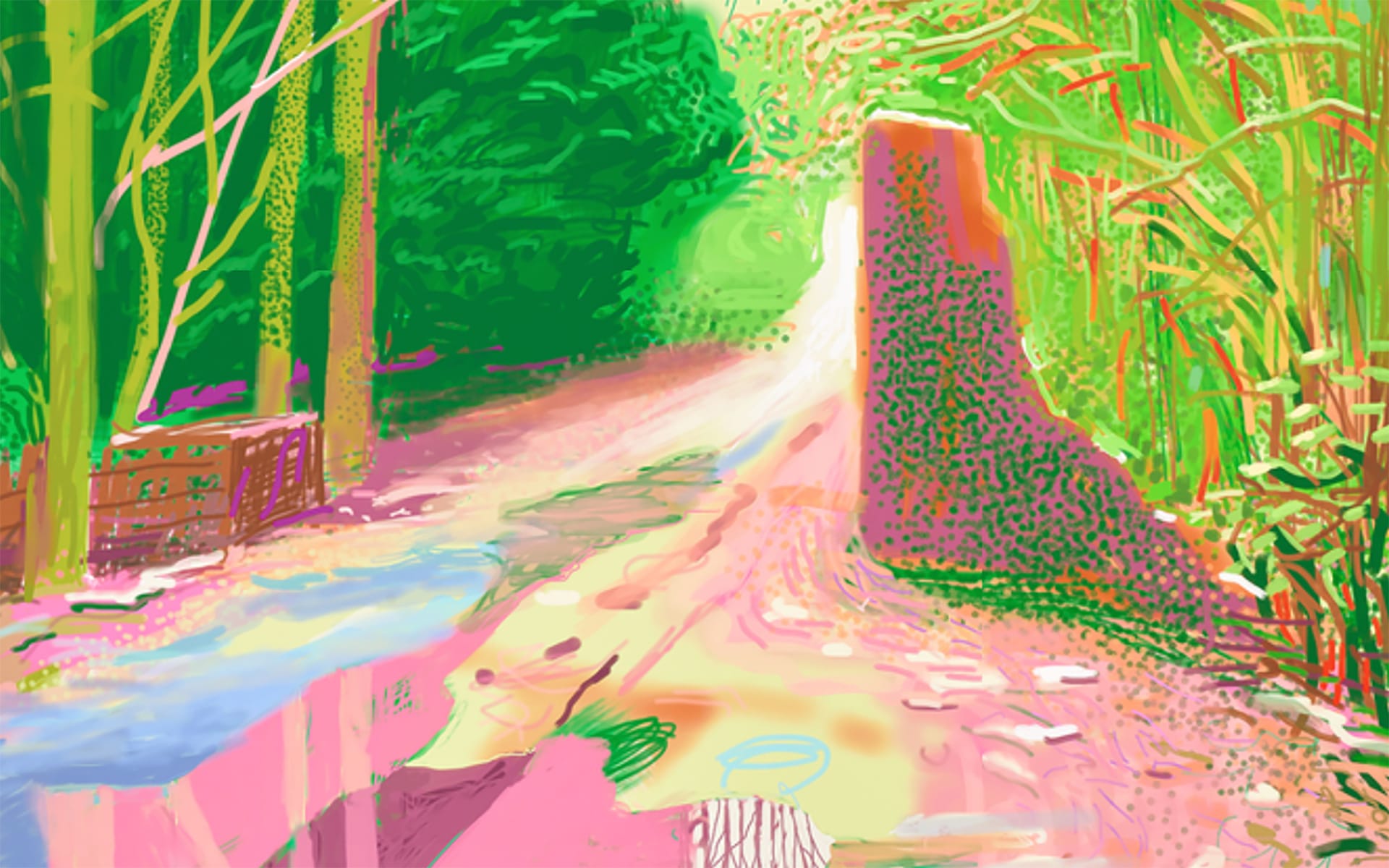
One of the most contemporary aspects of Hockney’s practice was the ease with which he embraced new technologies without turning technology itself into a manifesto. Photocopiers, fax machines, cameras, video, iPhones, and iPads gradually entered his work because they offered new possibilities for making images. During 2020 in Normandy, he used an iPad to record the arrival of spring day after day. The resulting 116 images were later presented by the Royal Academy. The digital device became, quite simply, another tool for drawing from observation.
A landscape never stands still
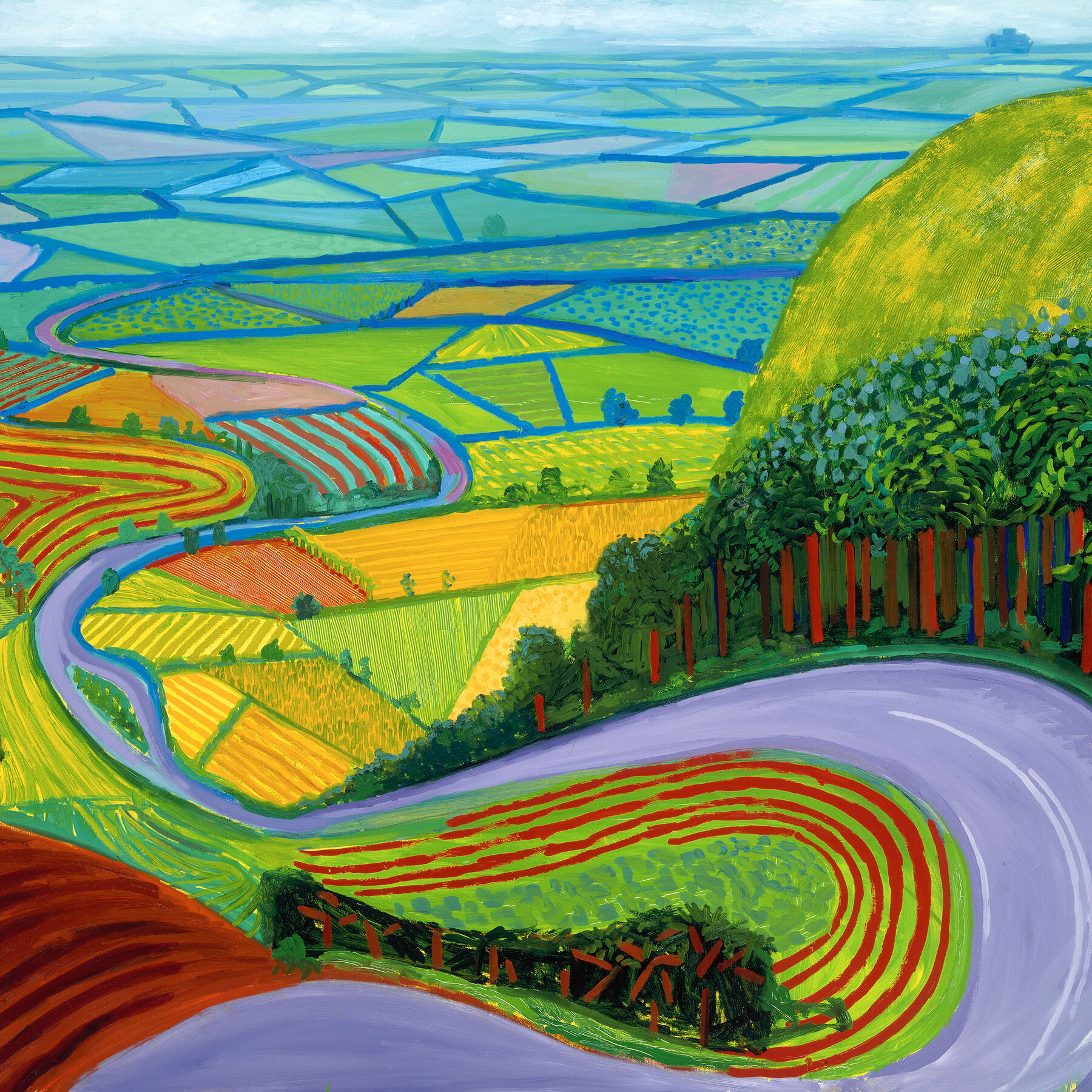
In his later decades, Hockney returned decisively to landscape. First Yorkshire, then Normandy. But he was not searching for a static nature to contemplate. He painted changing trees, roads, rain, blossoms, and seasons. A Year in Normandie pushed this idea into a monumental digital frieze: landscape becomes a sequence, almost a film that viewers experience by walking alongside it. The Fondation Louis Vuitton gave these works significant space in its 2025 retrospective, alongside paintings, portraits, and digital experiments spanning his career.
Technology here does not make nature more artificial. Paradoxically, it allows Hockney to follow it more closely: a new bud, a change in light, the passage from one season to another.
Modernity is not a tool
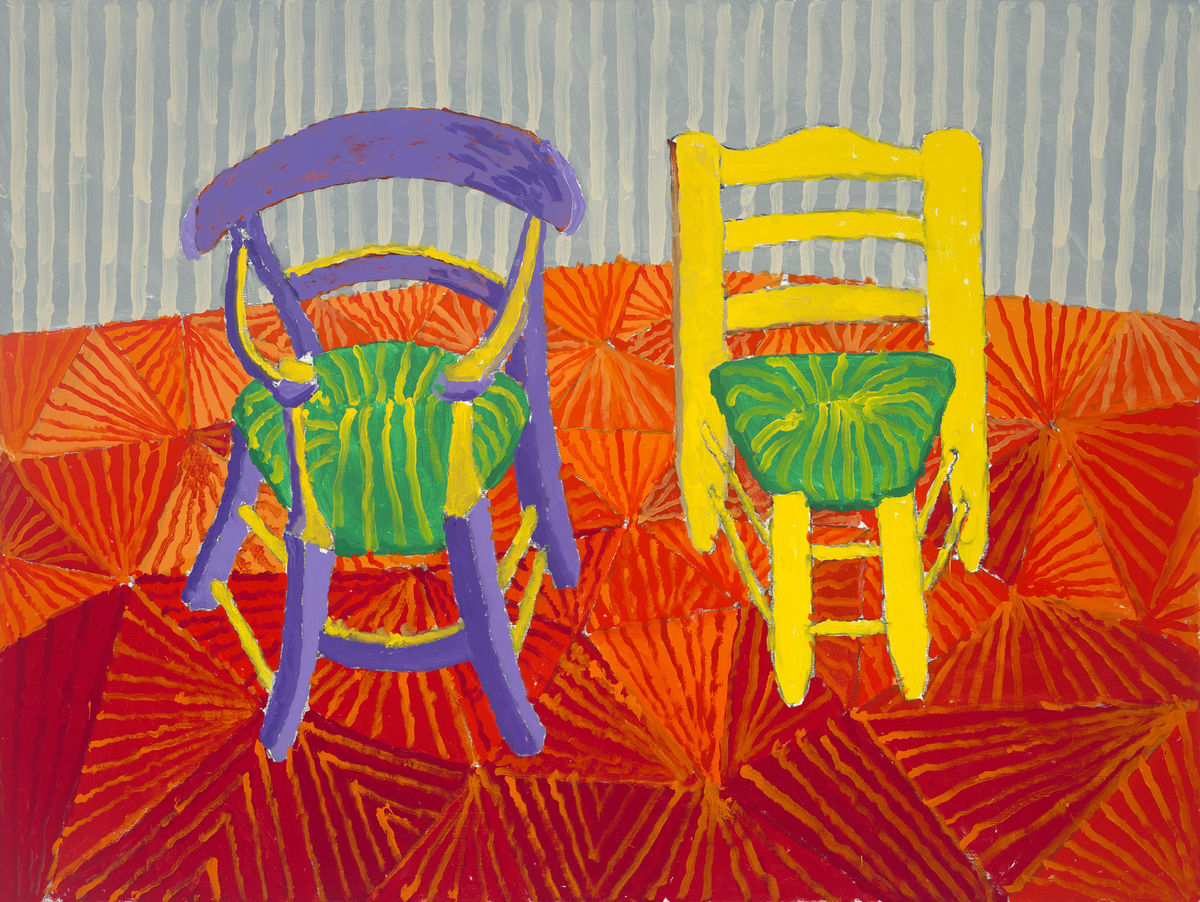
It is easy to describe Hockney as an artist who continually kept himself up to date. But that misses the point. He was not modern because he used an iPad, just as he was not modern simply because he painted swimming pools in the 1960s. His modernity lay in his willingness to continually reconsider how an image could be constructed. Photography and painting, Picasso and a digital camera, traditional landscape and software could coexist because none of these tools represented an identity he needed to defend. The Metropolitan Museum summarised this continuity by describing nearly sixty years of work as an investigation into movement, space, time, and the possibilities of translating the perceived world onto a two-dimensional surface.
Now that we can generate almost any image
Hockney’s lesson may become even more relevant at a moment when producing images has become extraordinarily easy. Cameras, smartphones, and artificial intelligence can generate quantities of imagery no previous generation could have imagined. But the availability of images does not automatically produce a way of seeing. Hockney continually moved through new tools only to return to an ancient practice: observing a person, a tree, a room, or a road and trying to understand what he was actually seeing. If almost anyone can now produce an image, will knowing how to look become even more important? Perhaps this is the most contemporary part of his legacy. Technology changes. Images change. The artist’s problem remains remarkably stable: paying enough attention to the world to make us experience it as though we were seeing it for the first time.
Keep reading
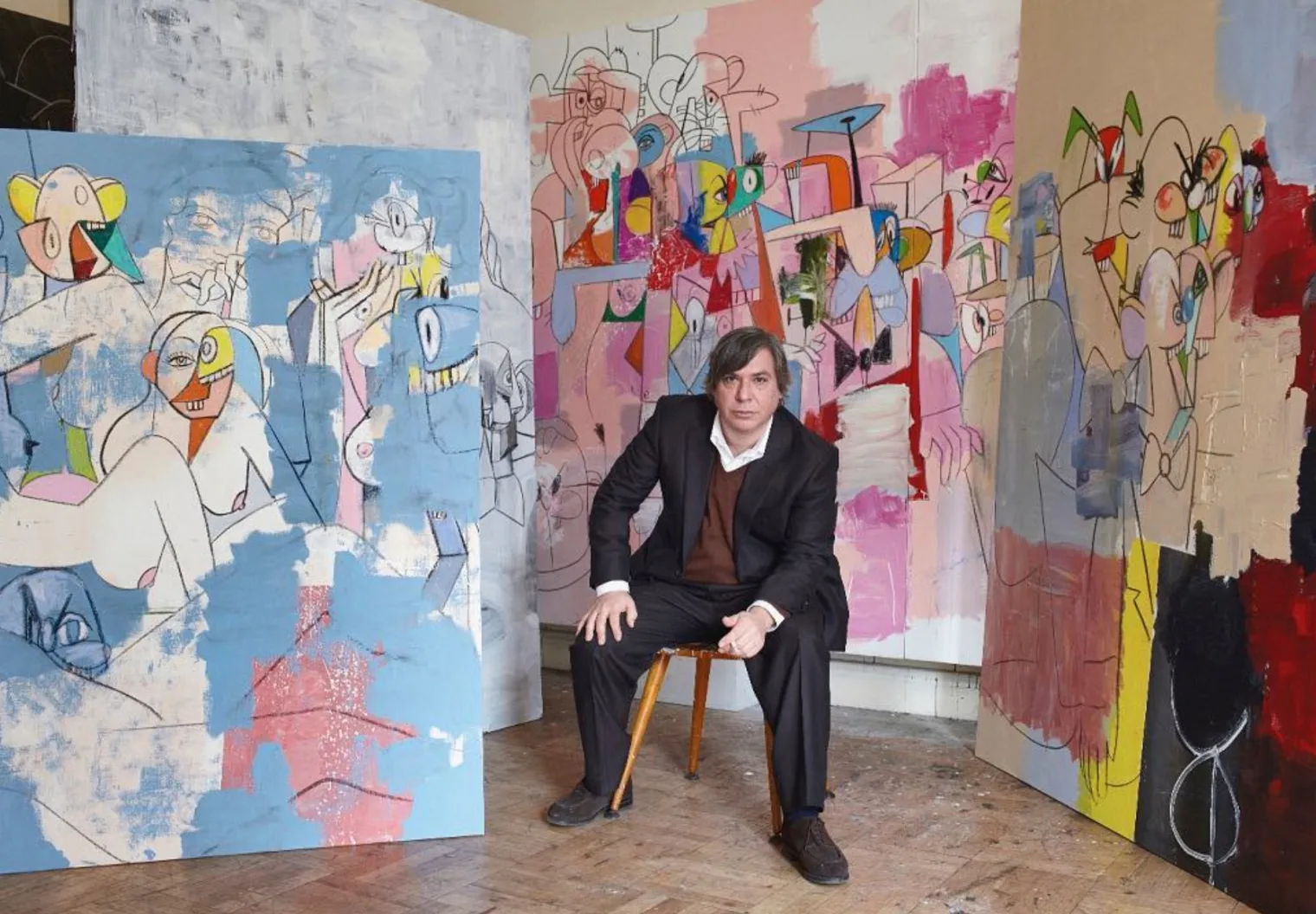
George Condo: how many people can live inside one face?
Misaligned eyes, mouths crowded with teeth, distorted aristocrats, clowns, Picasso, Old Masters and hip-hop covers. For more than forty years, George Condo has painted impossible faces to describe something profoundly real: a person can be joyful, violent, vulnerable, arrogant and terrified almost at the same time. From the Venice Biennale to collaborations with Kanye West and Travis Scott, his painting has moved between museums and popular culture without choosing between them. Perhaps a face is not meant to show us who we are, but all the people we might be at once.
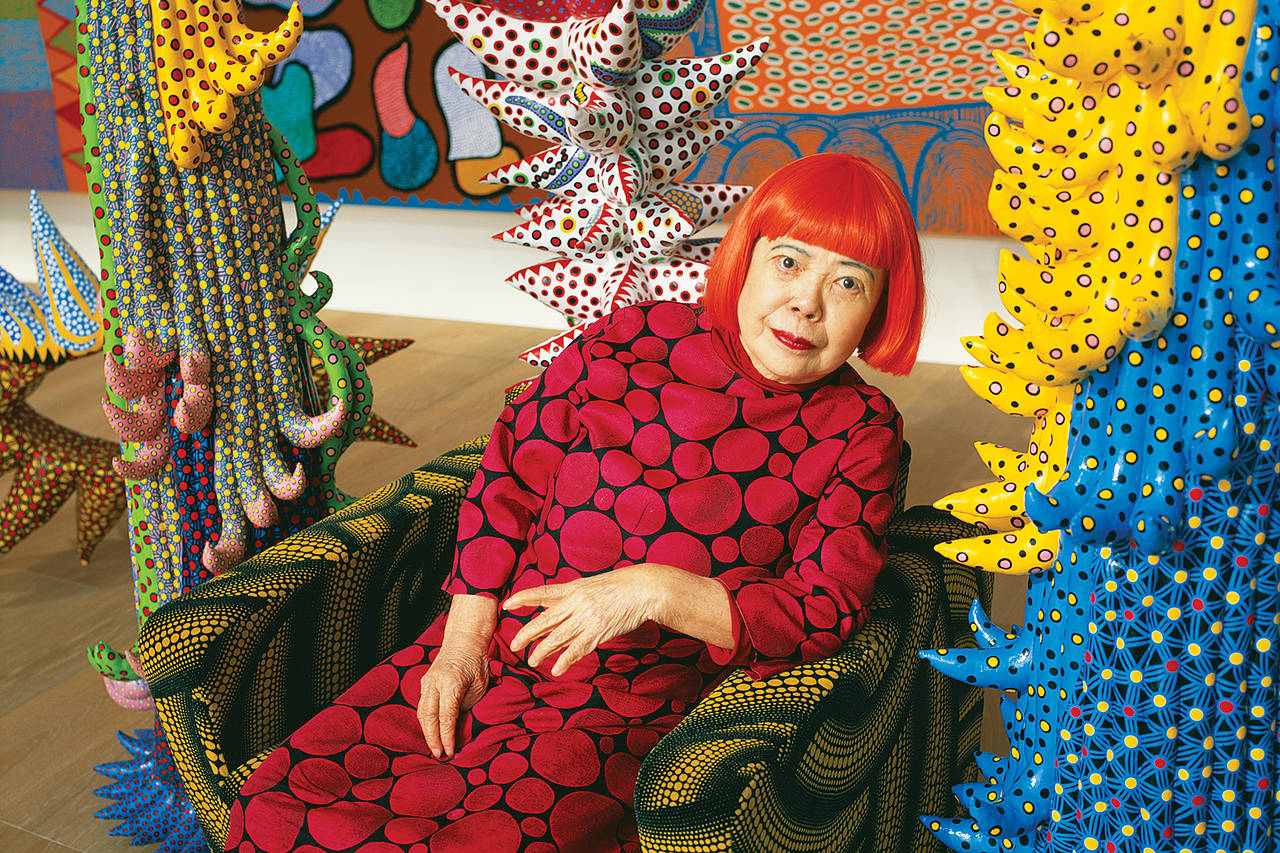
Yayoi Kusama: disappearing into infinity
Polka dots, nets, mirrors, pumpkins, and rooms without end. Behind one of contemporary art’s most recognisable visual languages, Yayoi Kusama has spent more than seven decades exploring the dissolution of the self. But what happens when art created to make the individual disappear becomes instantly recognisable to millions?
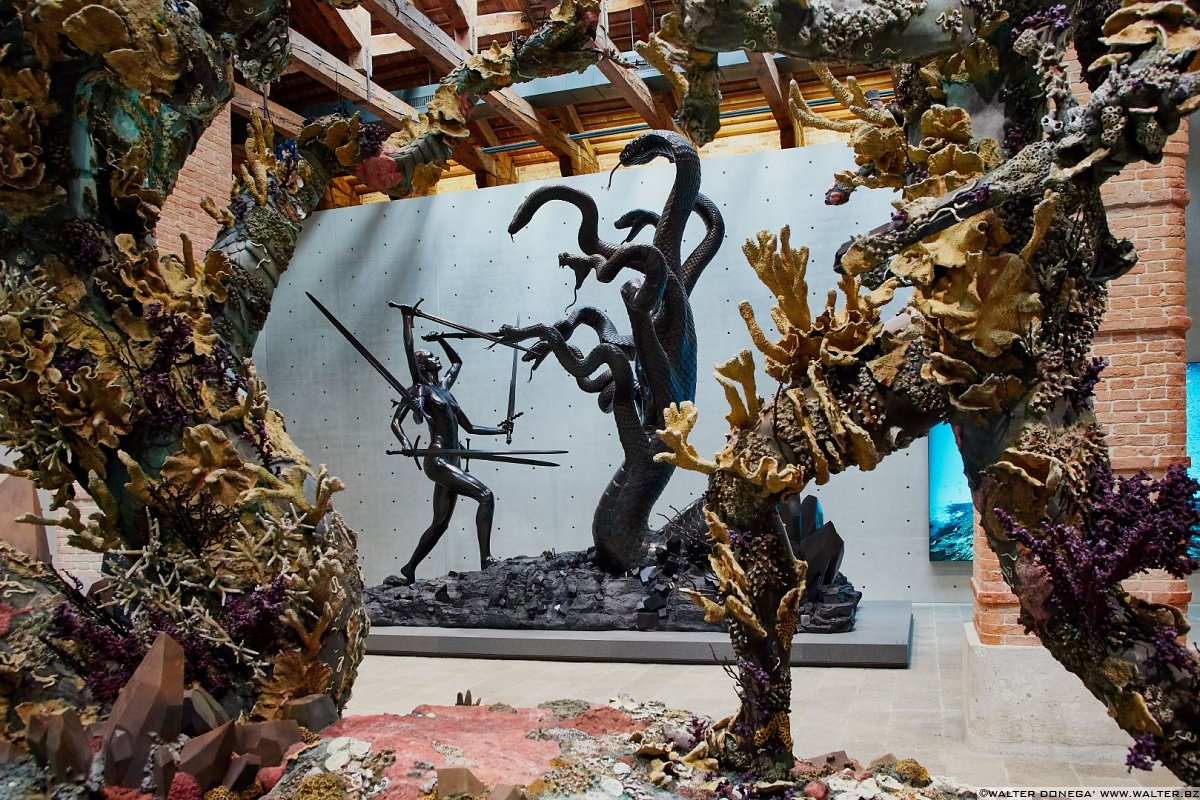
Damien Hirst: the art that refused to be ignored
A shark suspended in formaldehyde, divided animals, pills, butterflies, and millions of pounds moving directly from the studio to the auction house. Damien Hirst turned death, beauty, the market, and spectacle into parts of the same language. But how much of his importance lies in the artworks, and how much in the system he built around them?