
The problem with good taste is that everyone has it now
When everyone learns the same codes, taste stops distinguishing people and starts making them look alike.
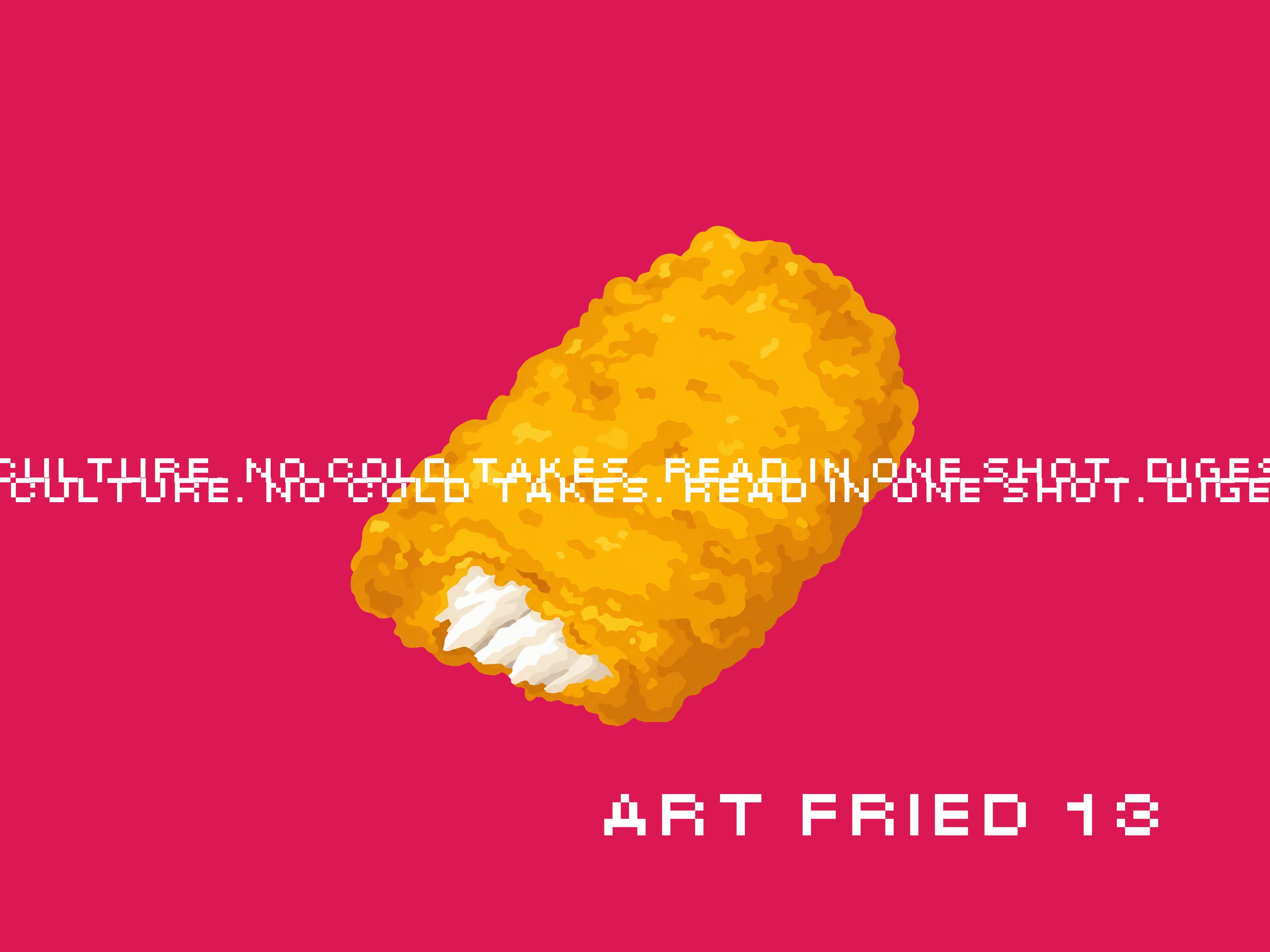
ART FRIED® Contemporary culture, served hot. Read in one shot. Digest later. The problem with good taste is that we all know what it looks like now. The right lamp, the right chair, the art book left open with suspicious precision, slightly muted photography, irregular ceramics, sneakers expensive enough to look effortless. Instagram, Pinterest, hotels, concept stores, fashion and interiors have done something remarkable: they turned codes that once required time, access and a certain visual education into a permanent global tutorial. Millions of people can now construct sophisticated images with astonishing accuracy. But once everyone learns the same references, taste begins to lose one of its oldest functions. It was supposed to distinguish you. Now it can make you look remarkably similar to everyone else who also has excellent taste. Maybe that is why the genuinely interesting things are starting to look slightly wrong again. A room with too much in it. A colour with terrible manners. An artwork that refuses to coordinate with the sofa. An object no mood board would ever recommend. The best taste is not always about knowing every rule; sometimes it is knowing exactly which one to break without looking accidentally lost. Because once an aesthetic has been shared, saved, photographed and reproduced enough times, it stops operating as a cultural signal and starts becoming furniture. The worst taste today might simply be having impeccable taste exactly like everyone else. Art. Culture. No cold takes.
Keep reading
AI isn’t the problem. It’s showing us how predictable we are.
AI isn’t just learning how to make images. It’s learning how easily it can imitate what we call style.
Art is no longer competing only with art
An artwork now has to survive in the same world as fashion campaigns, music videos, memes, cinema, design and images generated in seconds.
Why does everyone want to look like they don’t care?
We turned not caring into a performance. It takes an extraordinary amount of effort.