
General Guide to Venice
An essential guide to understanding Venice from day one: Darte exhibition venues, where to stay, how to arrive and get around, what to know about the city and everything useful during your stay.
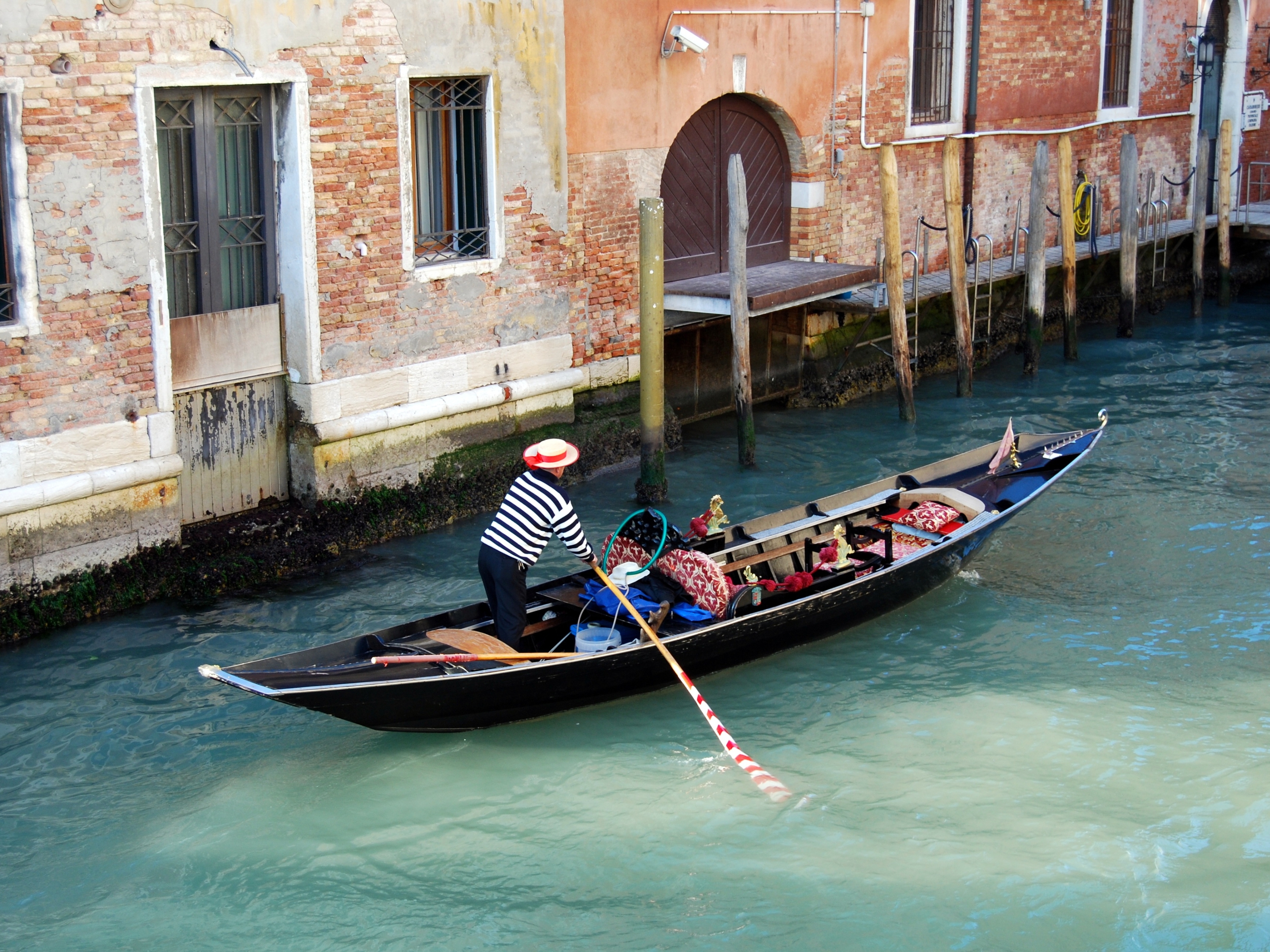
“Its temples and its palaces did seem like fabrics of enchantment piled to Heaven.”
— — Percy Bysshe Shelley, Julian and Maddalo, 1818
First things first: how Venice works
When we say Venice in this guide, we mainly mean the historic city built within the lagoon: a shallow coastal body of water partly separated from the sea by islands and natural barriers. The city developed across a group of islands connected by bridges, has no cars within its historic centre and is explored primarily on foot or by water. It is divided into six districts known as sestieri: Cannaregio, San Marco, Dorsoduro, San Polo, Santa Croce and Castello. You do not need to memorise them, but recognising these names will immediately make it easier to understand where you are.
If you are exhibiting at Palazzo Albrizzi-Capello
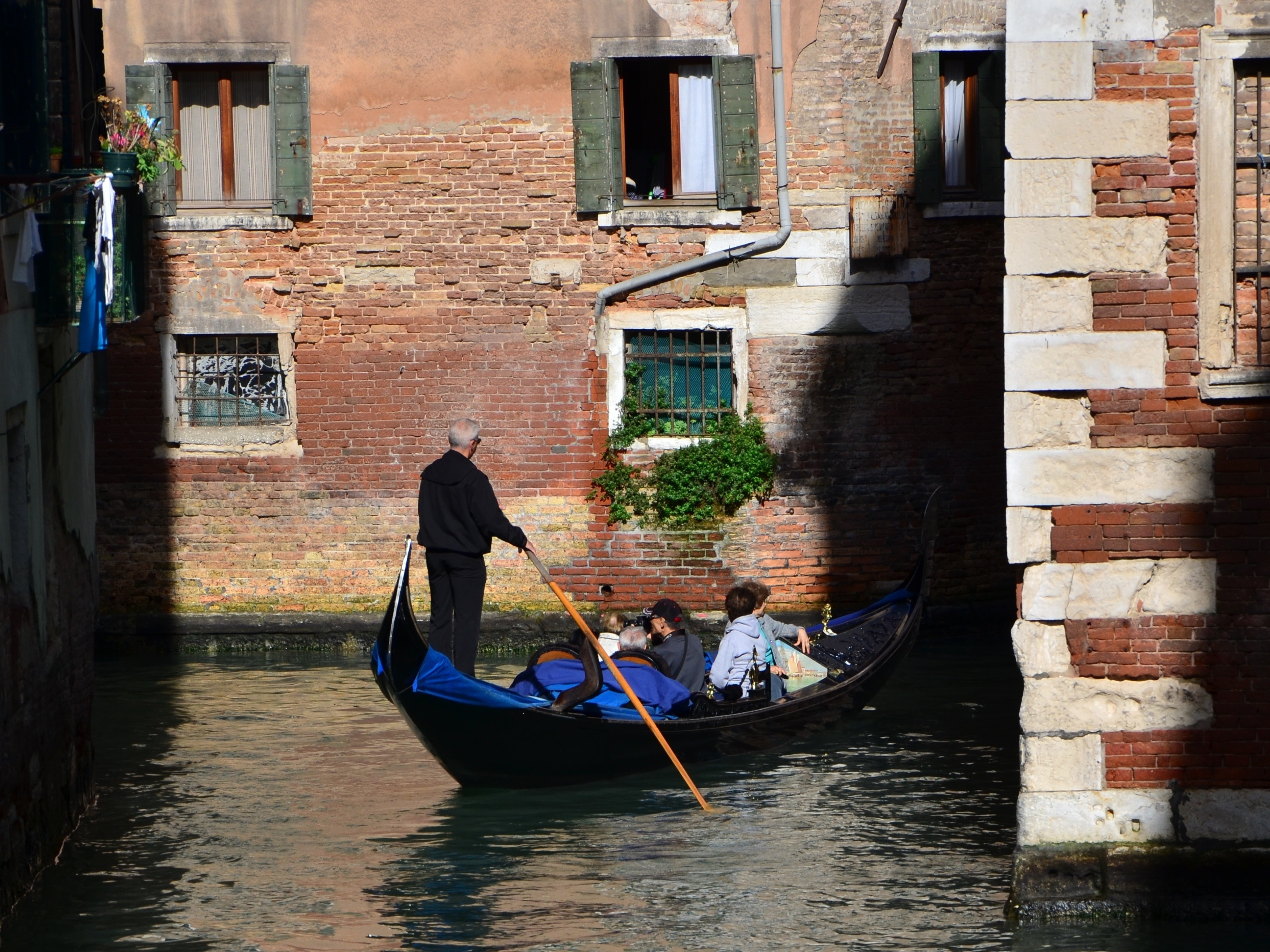
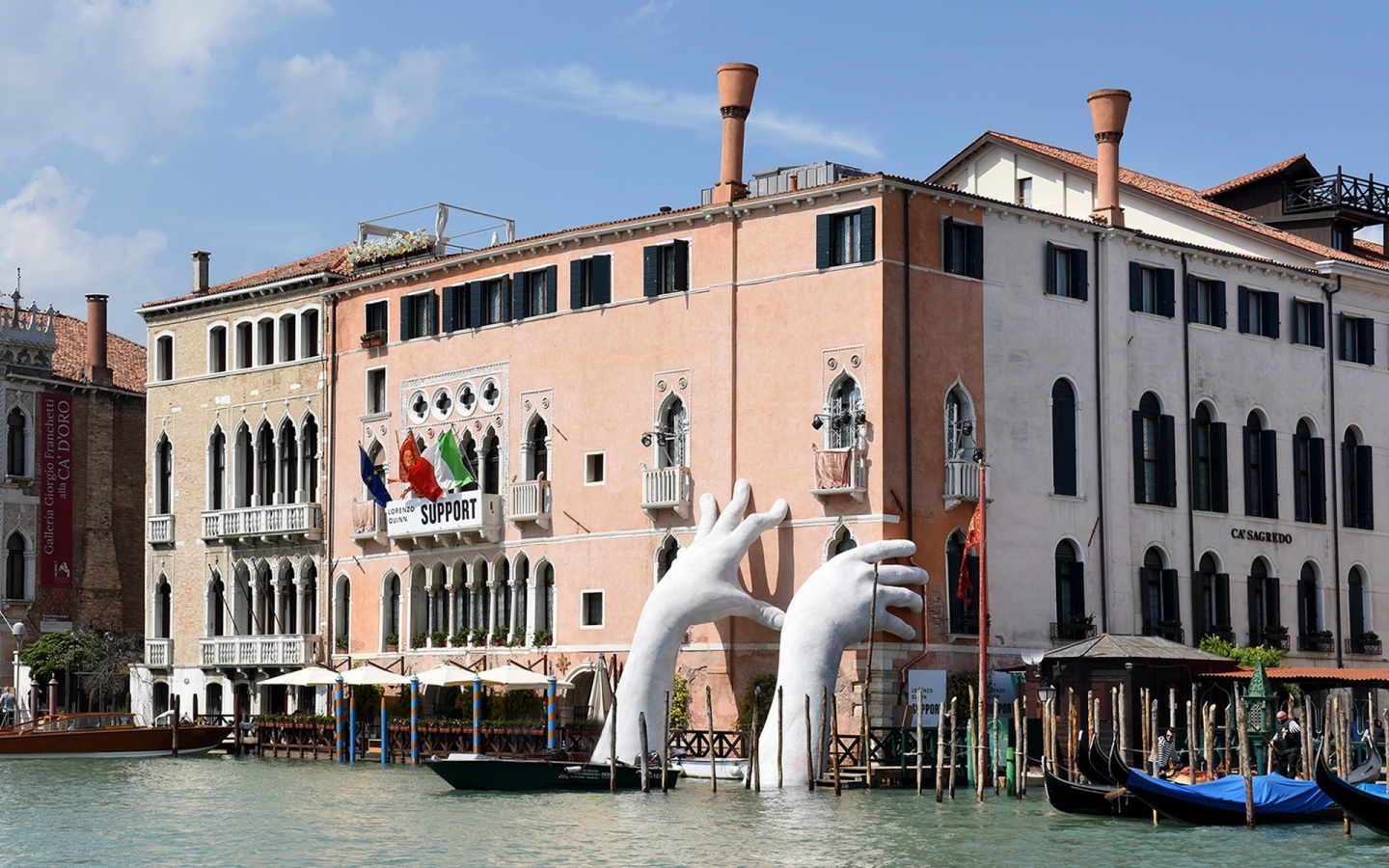
Area: Cannaregio Address: Cannaregio 4118, Fondamenta Sant’Andrea, 30121 Venice Palazzo Albrizzi-Capello is located in Cannaregio, close to Ca’ d’Oro and the Misericordia area. La Biennale lists Ca’ d’Oro as the nearest ACTV stop and notes a public landing directly in front of the entrance. It is a particularly pleasant location for experiencing the days around the exhibition, allowing you to remain within the historic centre without constantly being immersed in the density of San Marco. If you are exhibiting here, the areas around Ca’ d’Oro, Misericordia and Ormesini are among the most convenient places to consider for your stay.
If you are exhibiting at Palazzo Pisani-Revedin
Area: San Marco — Campo Manin Address: San Marco 4013/A, 30124 Venice Palazzo Pisani-Revedin is located opposite Campo Manin, right in central Venice. Rialto, Campo Santo Stefano and St Mark’s Square are all easily reached on foot, so the exhibition naturally becomes part of the city’s most monumental and central area. San Marco is the most immediate choice if you want to stay close to the venue, while San Polo and Dorsoduro keep you within convenient distance while offering different atmospheres.
Calle, campo, fondamenta: three words you will see everywhere
Venice also has its own urban vocabulary. A calle is a narrow street, a campo is a square and a fondamenta is a street running alongside a canal. Addresses can also look unusual: formats such as Cannaregio 4118 or San Marco 4013/A are completely normal because many street numbers are organised by sestiere. When looking for a specific palazzo, museum or restaurant, searching its name directly on Maps is often easier than trying to interpret the address as you would in another city.
Venice and Mestre are not the same experience
When booking accommodation or transport, you will often see both Venice and Mestre. Mestre is part of the same municipality, but it is located on the mainland, with roads, cars, buses and its own railway station. Venice’s historic centre lies beyond the bridge, within the lagoon. Staying in Mestre can mean greater availability and different price levels, but it also means travelling into the historic centre every day. If you want to experience the days around your exhibition fully — a walk before opening, dinner, a meeting or simply Venice after many day visitors have left — staying within the historic centre makes a significant difference.
Where to stay
The choice depends mainly on your exhibition venue and the kind of Venice you want to experience. Cannaregio is particularly convenient for Palazzo Albrizzi-Capello and retains a strong neighbourhood character. San Marco places monuments, museums and a significant part of the city immediately outside your door and is the simplest option for Palazzo Pisani-Revedin. Dorsoduro combines a central location with the Accademia, foundations and a generally different pace from San Marco, while San Polo keeps you very central around the Rialto area. In Darte’s dedicated guide to where to stay, you will find five selected properties; here, the important thing is first to understand which Venice you want around you during the days of the exhibition.
Arriving: Santa Lucia, Mestre and Piazzale Roma
If you arrive by train and are staying in the historic centre, the station to look for is Venezia Santa Lucia. It is the railway station located directly within historic Venice; Venezia Mestre is on the mainland, and many trains continue from Mestre to Santa Lucia. If you arrive by bus, taxi or car, the key reference point is Piazzale Roma, the main road terminal at the entrance to the historic centre: from there, you continue on foot or by water.
From the airport to the city
Venice Marco Polo Airport is located on the mainland. To reach Venice, you can use ACTV or ATVO buses to Piazzale Roma, or arrive by water with Alilaguna. Private water taxis are also available and are more direct but considerably more expensive. If you are travelling with a lot of luggage or staying at a hotel with its own water landing, asking the property which transfer is most practical can make your arrival much easier.
Vaporetto, water taxi or gondola?
The vaporetto is Venice’s public water transport: essentially the Venetian equivalent of buses and metro services, used both for travelling across the historic centre and reaching several islands. A water taxi is a private boat providing more direct transfers at a considerably higher cost. A gondola belongs primarily to the experience of the city rather than everyday public transport. ACTV offers individual tickets and passes of different durations, which can also be purchased through Venezia Unica.
If it is your first time: four coordinates
There is no need to turn Venice into a checklist. But if you have never been before, four places help you read the city: St Mark’s Square, to understand its monumental scale; the Doge’s Palace, former seat of the Doge and the institutions of the Venetian Republic; Rialto, one of the symbolic points of the Grand Canal; and the Gallerie dell’Accademia, in Campo della Carità in Dorsoduro, for an introduction to the great tradition of Venetian painting. From there, you can decide freely how much further you want to explore.
The Biennale, when it coincides with your stay
Founded in 1895, La Biennale di Venezia is one of the major international reference points for art, architecture, cinema, dance, music and theatre. For art and architecture, the two names you will hear most often are the Giardini and Arsenale, both in the eastern part of the city, although during the major exhibitions pavilions, shows and events extend across many other Venetian venues. If your stay coincides with a Biennale, check the official programme and choose what to see according to the time you genuinely have available; if it does not, Venice still maintains an extensive cultural programme.
Bacari, cicchetti and ombre: what they mean
In Venice, you will often hear three words that belong to the city’s everyday life. A bacaro is a traditional small Venetian bar where people stop for a drink and something informal to eat; cicchetti are small bites often served at the counter; and an ombra is the traditional small glass of wine. You do not need to build a food itinerary around this culture in order to encounter it: in areas such as Misericordia and Ormesini in Cannaregio or Campo Santa Margherita in Dorsoduro, it is simply part of how the city is lived. In Darte’s dedicated guide to where to eat, you will instead find five addresses we recommend.
If you want to go beyond the centre
The lagoon is not simply the backdrop to Venice: it is part of the city and of the way the wider territory works. Murano is the main reference for the glassmaking tradition; Burano is known for lace and its colourful houses; San Giorgio Maggiore, directly opposite San Marco, allows you to change your perspective on the city even when you have limited time; the Lido, meanwhile, opens towards the Adriatic and offers a completely different dimension. There is no need to visit them all: during a stay built around an exhibition, it is often better to choose one place and have enough time to experience it without turning the lagoon into another checklist.
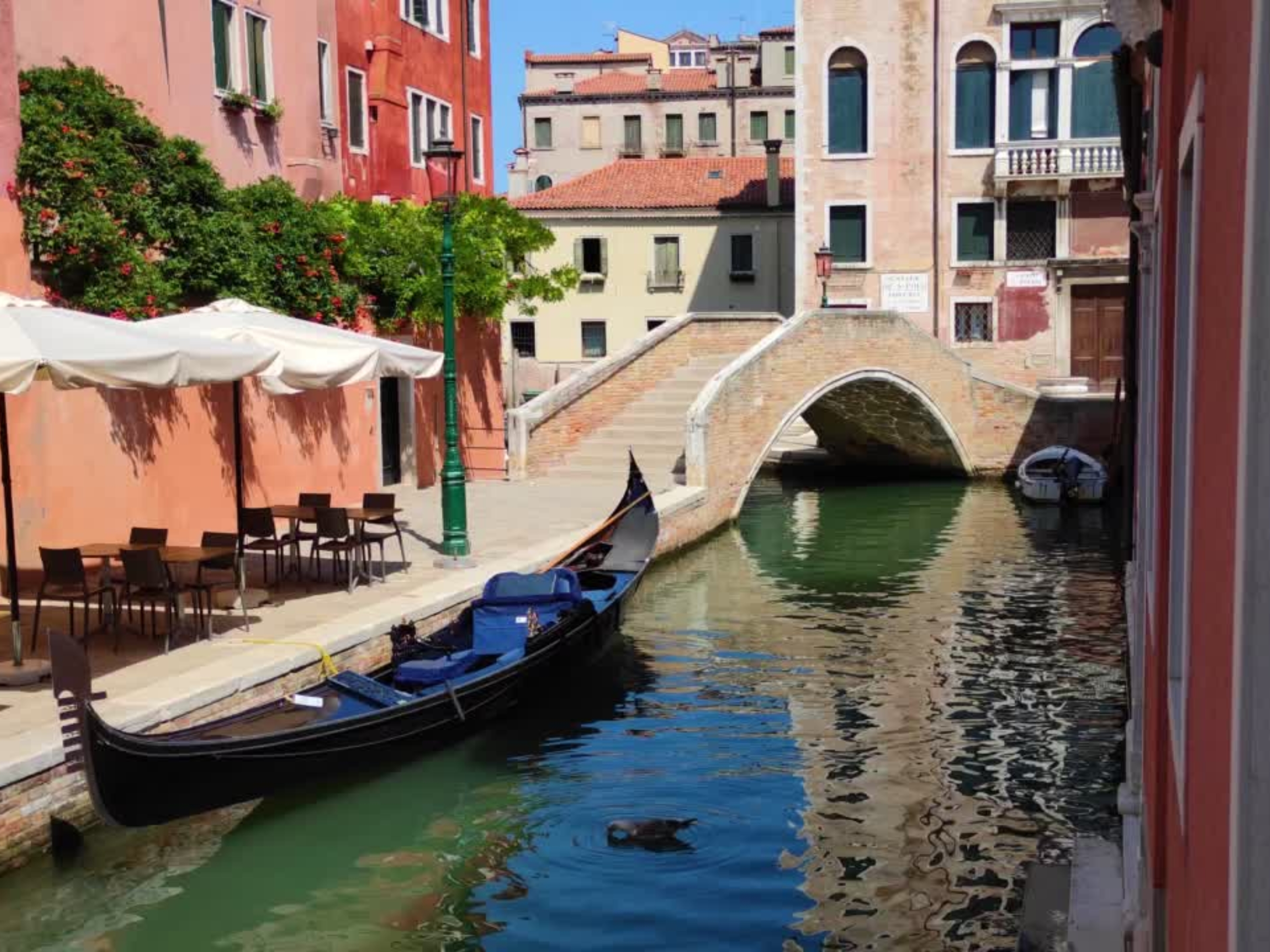
Tourist tax and Access Fee are not the same thing
If you stay overnight in accommodation within the Municipality of Venice, a tourist tax may apply, normally collected by the accommodation and calculated according to its type, category and other conditions established by the City. The Access Fee is a separate system concerning entry to the historic city on specific dates. The 2026 trial period ended on 26 July, and the City states that any application in subsequent years will require new measures. There is therefore no need to memorise rules that may change: simply check the official portal before travelling.
Acqua alta: knowing what it is is enough
Acqua alta is a tidal peak that can temporarily affect the lowest parts of the city, particularly during certain periods of the year. It is not something you need to organise your entire trip around: the City has a Tide Monitoring and Forecast Centre that publishes updated forecasts and information on water levels. If the issue becomes relevant during your stay, simply check the official guidance.
A few rules worth knowing
Venice does not require any special precautions, but the city has a few rules worth knowing. In the busiest areas, use normal care with your phone, documents and personal belongings. Swimming or diving in the canals, feeding pigeons or seagulls and using bridges, steps, monuments and waterfront edges as places to sit and eat are not allowed. The City applies fines to several of these behaviours and brings together its main guidance through the EnjoyRespectVenezia initiative.
If you need help
For medical, safety or other emergency assistance, call 112, the European emergency number. For information on transport, accessibility, services and planning your stay, Venezia Unica is the city’s official visitor platform. Venice also has tourist information points at St Mark’s Square, Piazzale Roma, Santa Lucia railway station and Marco Polo Airport.
Your Venice
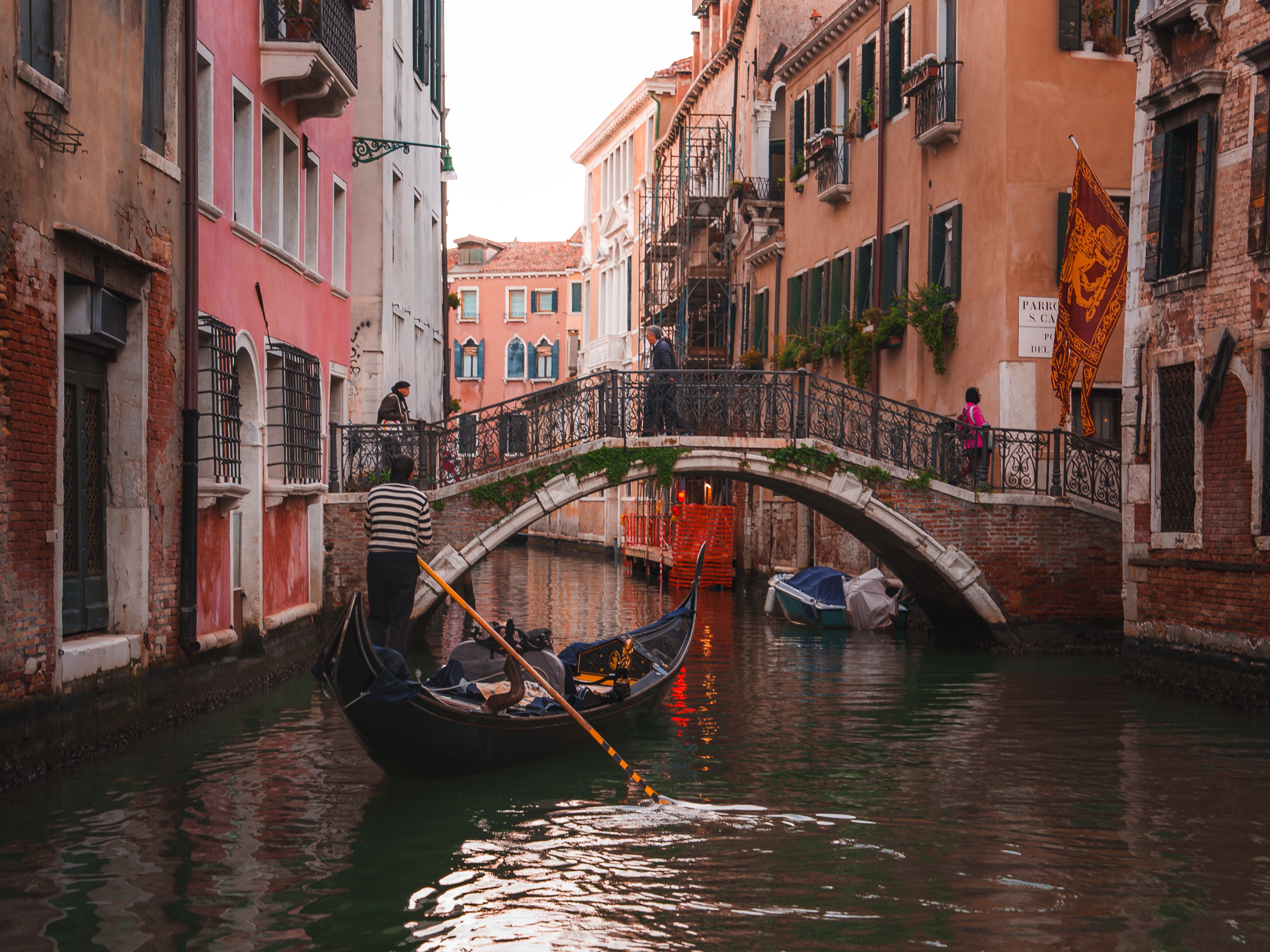
The exhibition is what brings you to Venice. Around it, an entirely different experience can take shape for each person: walking through Cannaregio before opening, entering the Doge’s Palace, spending a few hours at the Biennale when it is taking place, taking a vaporetto without rushing, reaching an island, stopping at a bacaro or simply leaving part of the day unplanned. The main purpose of this guide is to let you arrive already knowing where you are, where your exhibition is and how the city works. From that point on, Venice is yours to experience as you wish. Opening hours, exhibitions, transport, prices, rules and access conditions may change. For this reason, whenever possible, Darte City Guide links directly to official institutions and services. You do not need to check everything: simply open the links you need shortly before travelling and you will have the latest information for the dates of your stay.
Keep reading
Where to Drink in Lecce: 5 Places We Recommend
Five addresses in Lecce’s historic centre for drinking well without having the same evening twice: cocktails in the street, wine, beer, a hidden speakeasy and a place where wine, food and mixology come together.
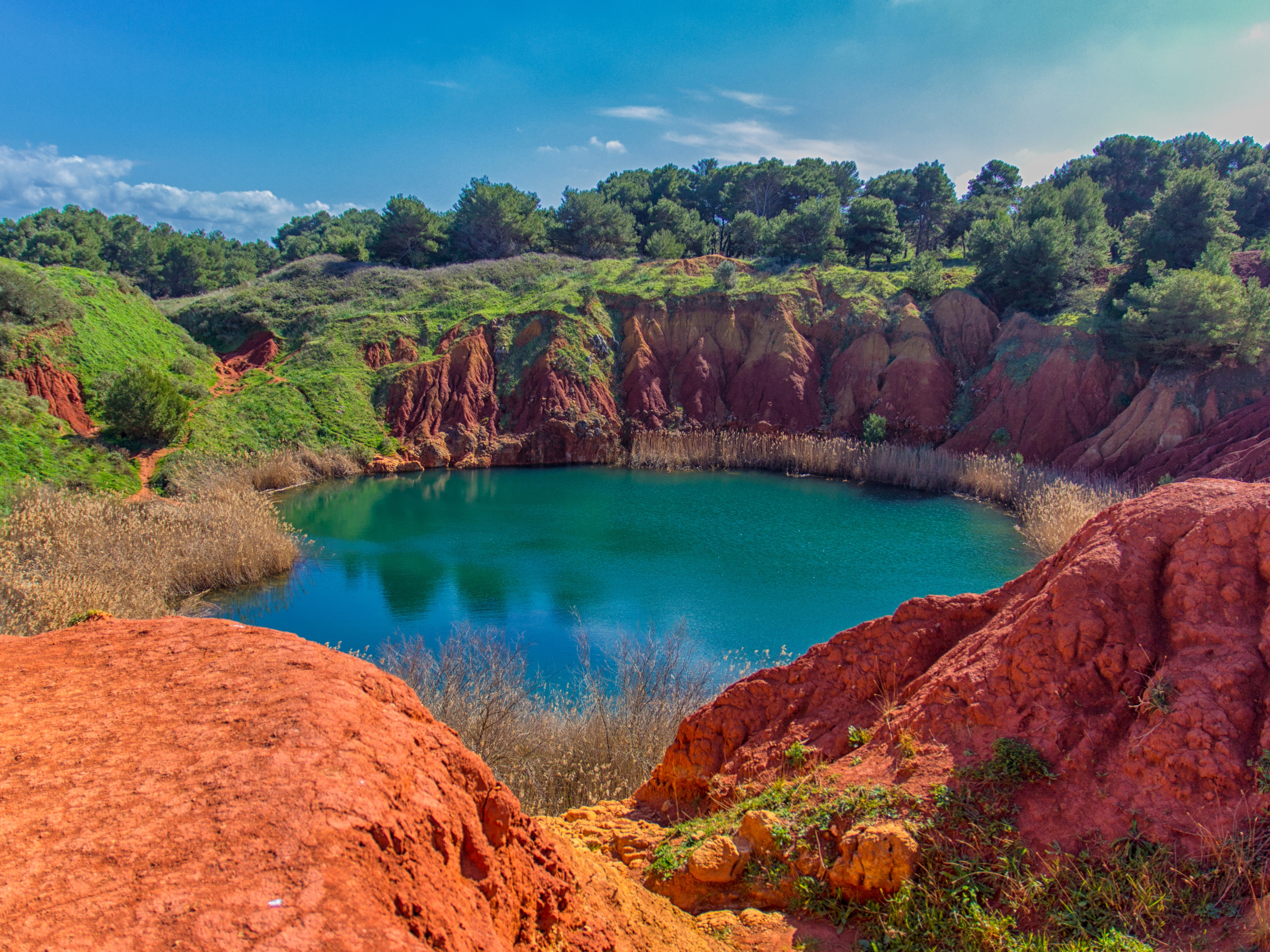
Discover Salento from Lecce: 5 Incredible Places in the Heart of the Mediterranean
From Lecce towards the Adriatic and Ionian seas: Otranto, Gallipoli, Porto Selvaggio, the Alimini Lakes and the Bauxite Quarry. Five places revealing just how much Salento can change in less than an hour on the road.
Where to Eat in Lecce: 5 Places We Recommend
Five addresses in central Lecce for discovering Salento cuisine through historic osterias, more contemporary tables, aperitivo and home-style flavours. Darte’s selection for deciding where to eat during your stay.