
We stopped buying objects. We buy signals.
A bag, a chair, a painting, a hotel. The real product is often what they say about us.
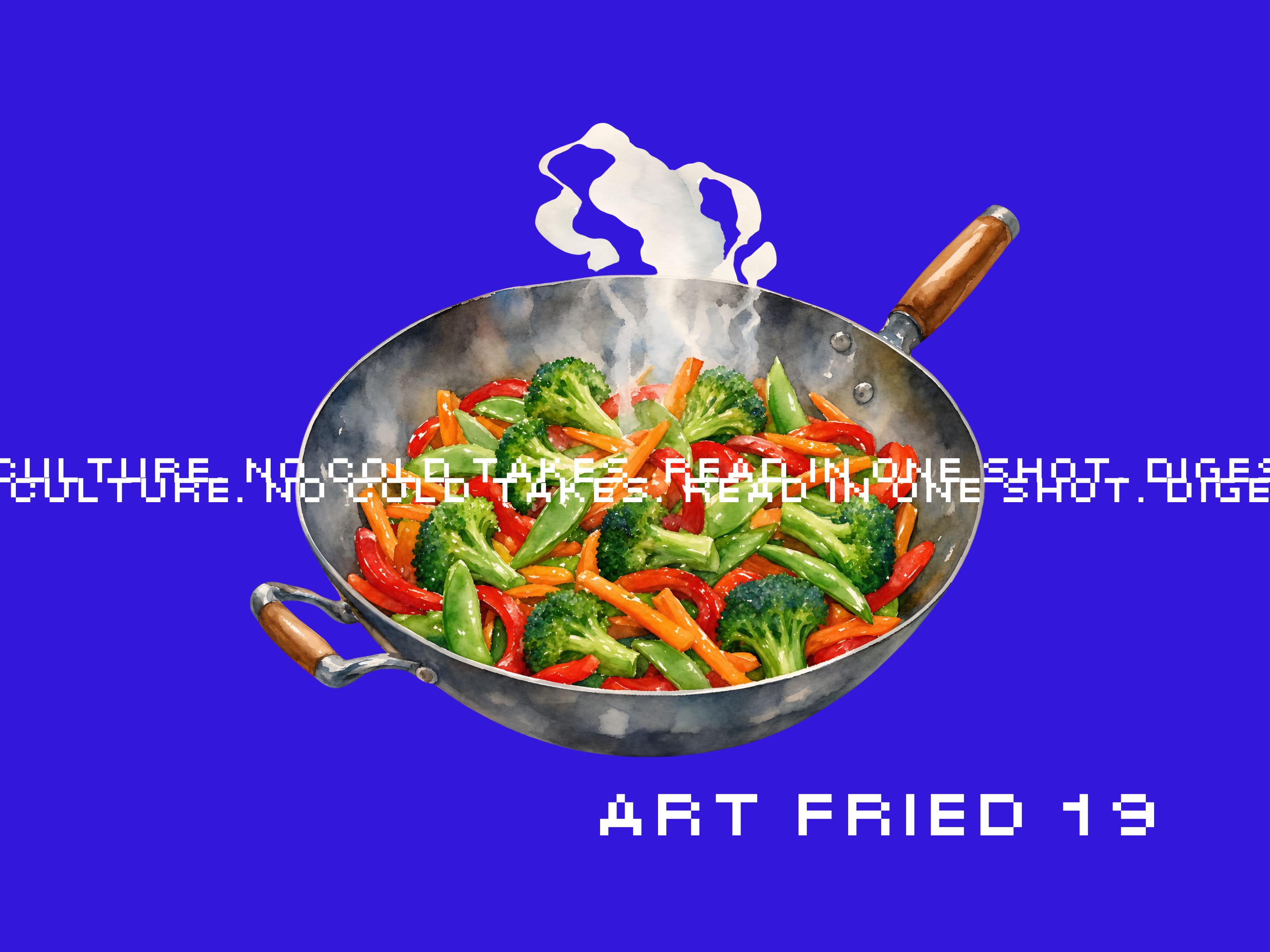
ART FRIED® Contemporary culture, served hot. Read in one shot. Digest later. We buy very few things purely for what they do. A bag carries objects, obviously, but it also carries an idea of who we are. A chair is for sitting, though some chairs seem far more useful for proving that you know who designed them. A painting fills a wall, a hotel gives you a bed, a sneaker protects your foot — and then everything else arrives: belonging, taste, class, irony, nostalgia, knowledge, desire. Objects learned how to speak long before we learned to admit how carefully we listen. Contemporary consumption is increasingly less about acquisition and more about social grammar. We choose things that allow us to say something without having to say it ourselves. The interesting part is that a signal only works if somebody knows how to read it. A giant logo is an easy message; a nearly invisible detail can be far more powerful precisely because fewer people will recognise it. The same mechanism runs through fashion, art, design, music and even the cities we choose for a weekend. We do not simply want something beautiful. We want something that places us somewhere. Perhaps that is why the most desirable objects are not always the loudest ones, but the ones capable of making us feel recognised by a tribe that may exist largely inside our own heads. The product is real. The meaning is what we are actually paying for. Art. Culture. No cold takes.
Keep reading
AI isn’t the problem. It’s showing us how predictable we are.
AI isn’t just learning how to make images. It’s learning how easily it can imitate what we call style.
Art is no longer competing only with art
An artwork now has to survive in the same world as fashion campaigns, music videos, memes, cinema, design and images generated in seconds.
Why does everyone want to look like they don’t care?
We turned not caring into a performance. It takes an extraordinary amount of effort.