
Geoffroy Pithon: what happens when painting leaves the frame?
Paper, pigments, screenprinting, fluorescent colours, and monumental installations. Geoffroy Pithon moves between painting and graphic design, creating images designed not only to be seen, but to become part of the space around them.
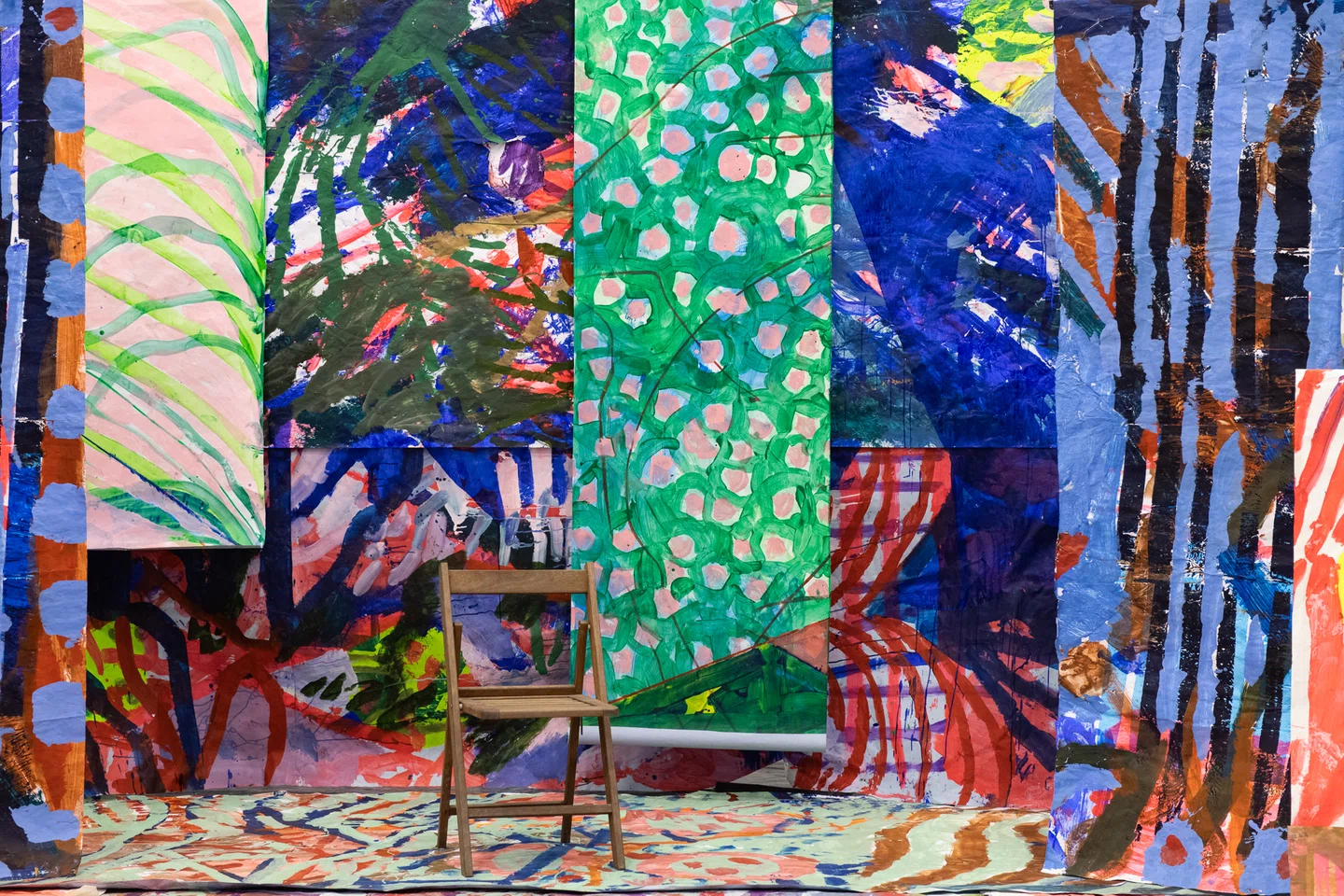
“I aim for my work to evoke an immediate sense of pleasure and joy.”
— Geoffroy Pithon, interview with MAĀT Gallery
Energy arrives before the image
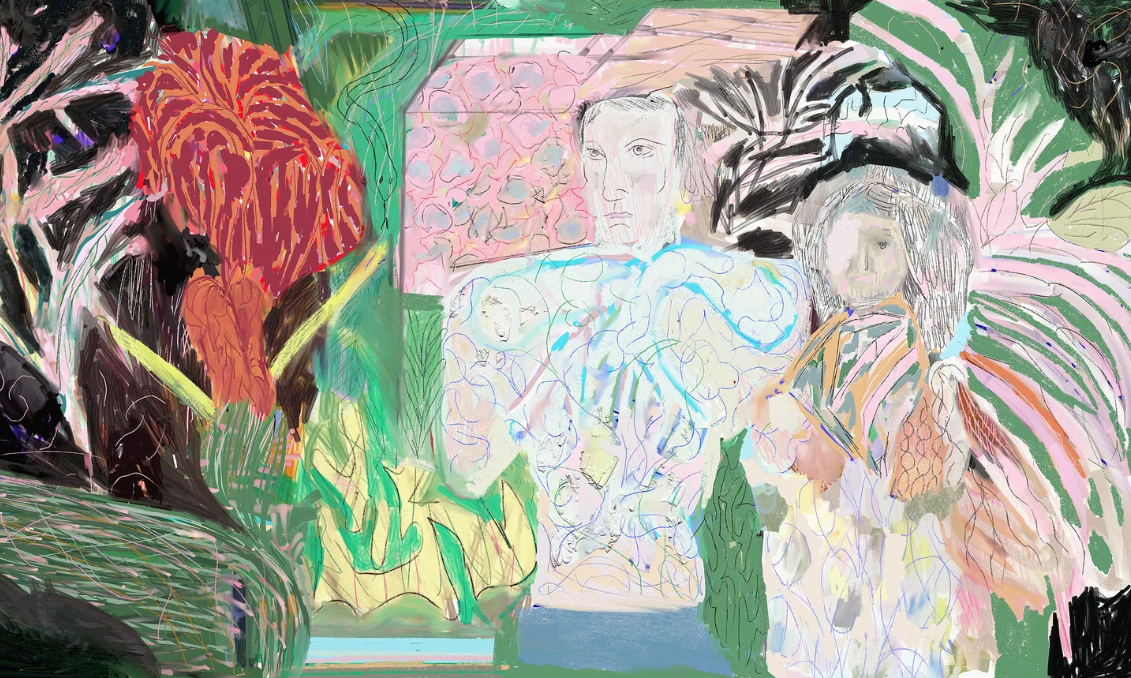
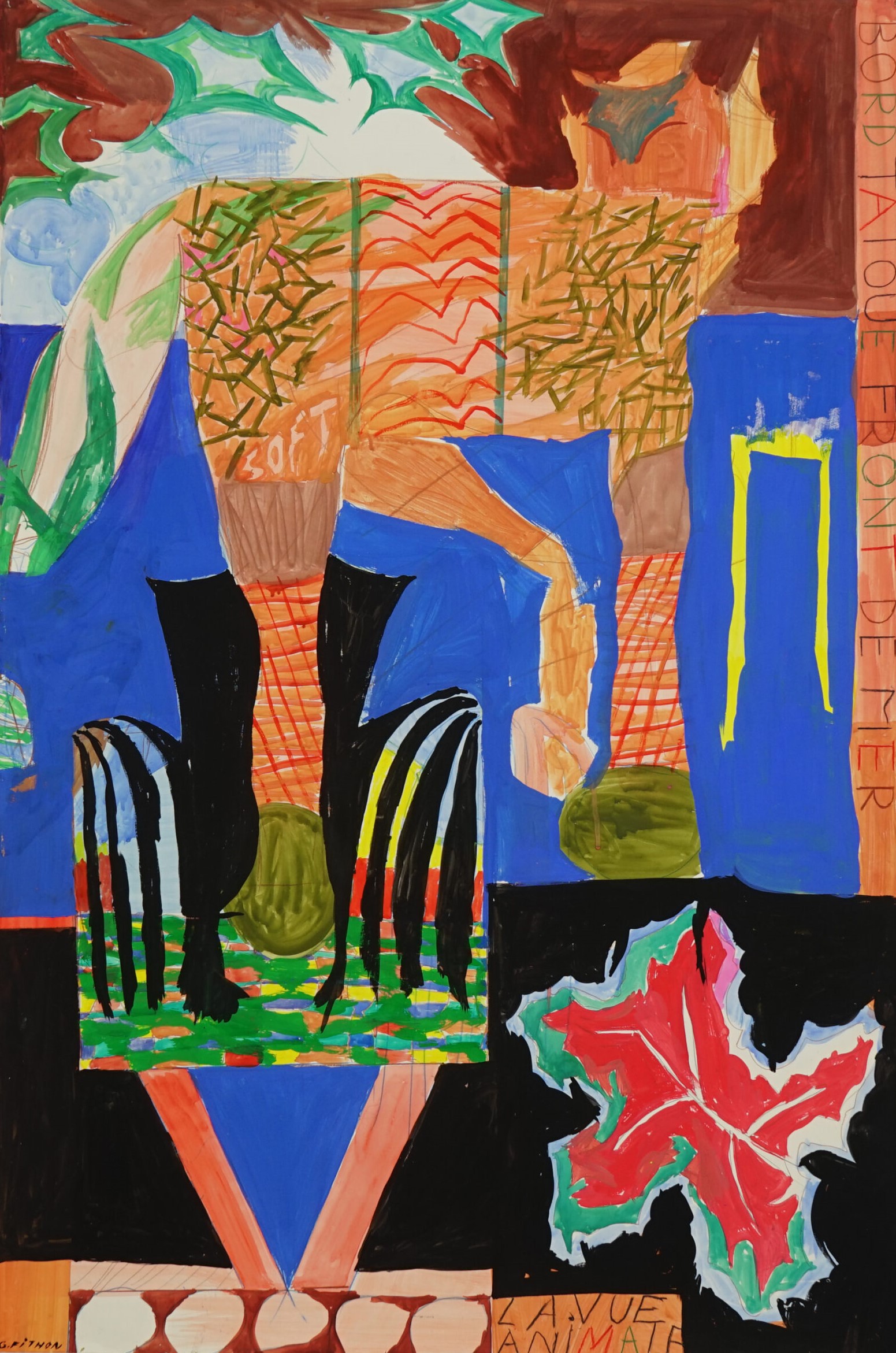
In front of a work by Geoffroy Pithon, it is difficult to immediately search for a subject. Colour, rhythm, and overlapping forms arrive first. Intense blues, pinks, greens, reds, and apparently spontaneous marks create surfaces where something may resemble a leaf, an animal, a vase, or a landscape without ever becoming fully figurative. Born in 1988 and based in Nantes, Pithon works primarily on paper, using painting as a language that can move from intimate formats to immersive installations. His practice exists precisely within this unstable territory: abstract enough to leave the viewer free, yet familiar enough to make us believe we recognise something.
From graphic design to painting
Painting emerged after a long engagement with graphic design. After graduating from the École Nationale Supérieure des Arts Décoratifs in Paris in 2012, Pithon worked for around eight years as a designer and was part of the Formes Vives collective. When the group ended in 2020, his independent artistic practice gradually moved to the centre. Graphic design, however, never disappeared: it remains present in the relationship between forms, the use of paper, the construction of surfaces, and the image’s ability to communicate immediately. Pithon did not abandon one language for another. He transformed the tools of visual communication into pictorial material.
Colour does not need permission
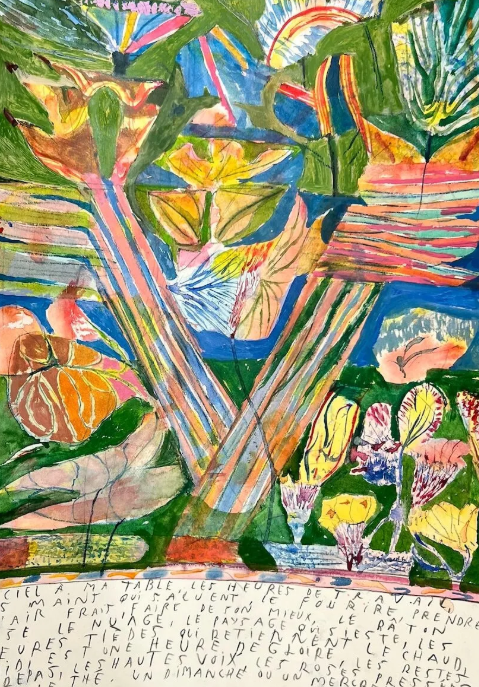
Colour drives the practice. Pithon mixes his own paints from pigments and acrylic binder, working on smooth paper surfaces that enable rapid drying, matte layering, and highly direct gestures. Dense tones coexist with fluorescent colours used in controlled amounts. The artist has described wanting to preserve something of the RGB luminosity of a screen within an entirely physical practice. It creates an interesting tension: painting that looks towards Matisse, Bonnard, and modernist traditions while inevitably having been shaped by digital visual culture as well.
In a present shaped by backlit screens, can painting compete with digital speed without trying to imitate it?
Paper is not a secondary medium
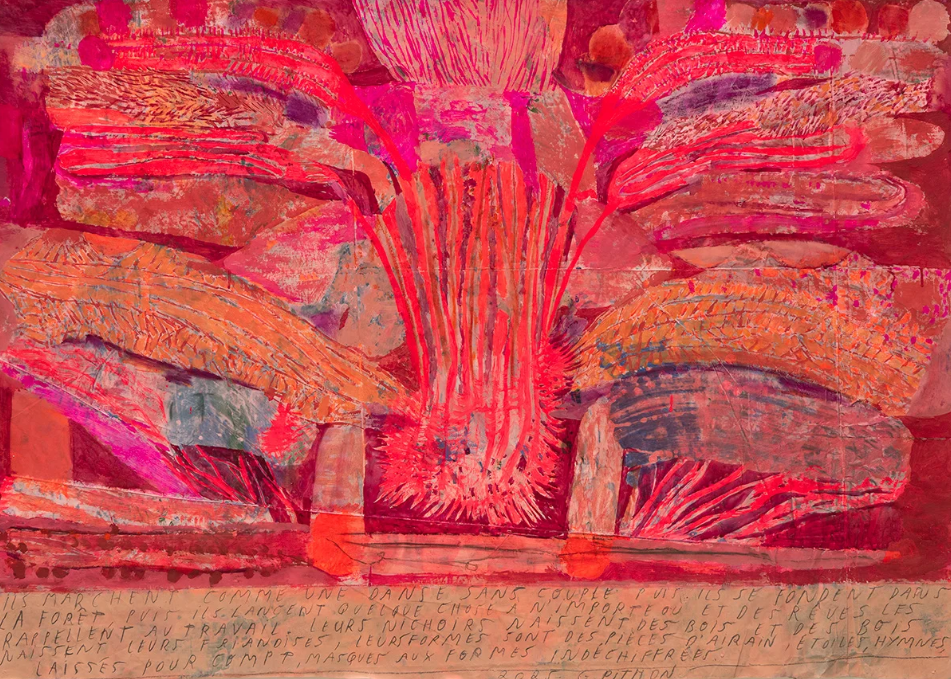
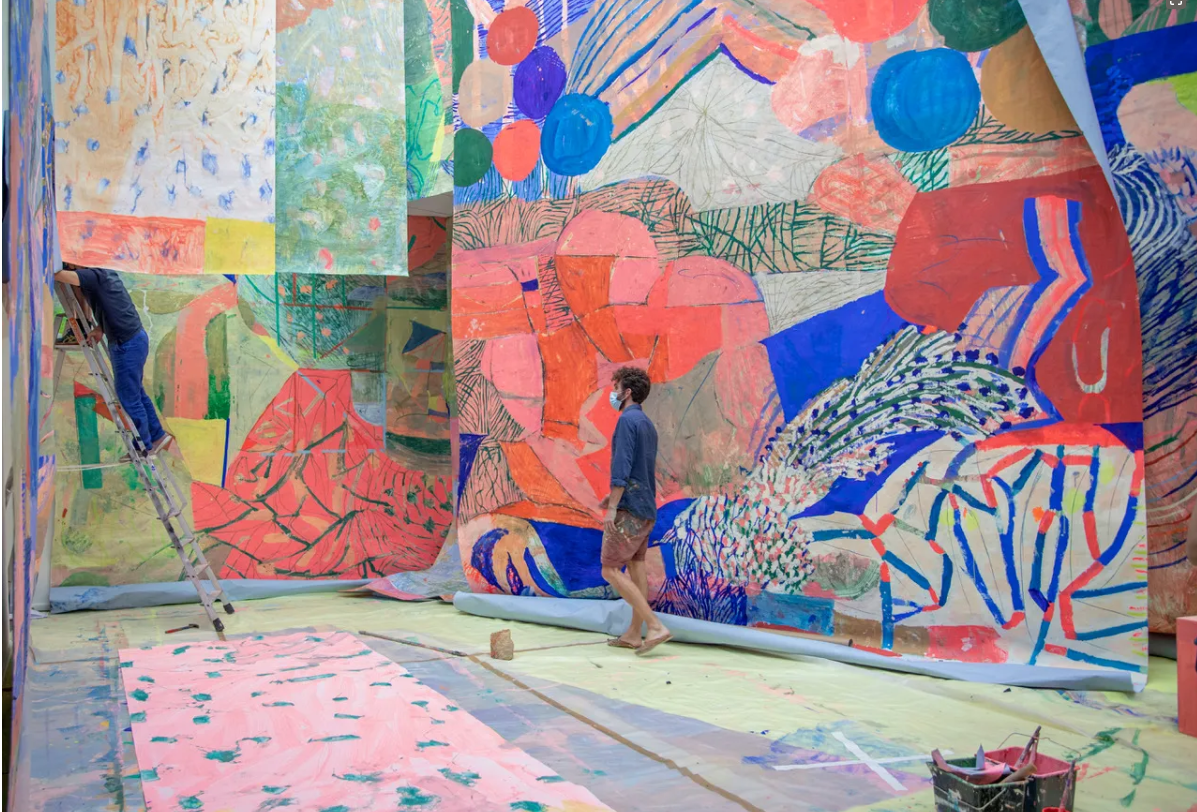
Paper is central because it allows painting to behave differently. It can be painted on the floor, cut, rearranged, pasted onto a wall, or expanded until it occupies an entire architectural environment. Pithon often begins with large surfaces, identifies fragments within them, and reworks those sections into new compositions. The process challenges the idea of the artwork as a definitive image: one painting can become material for another. The boundary between original, fragment, and collage begins to matter less.
When a painting becomes a place
The larger works reveal where this research can lead. Pithon is increasingly interested in the spatial presentation of painting and in the possibility of creating immersive installations and architectural interventions. In 2026, for example, monumental works such as Sophie and Victoire, each measuring 290 × 235 centimetres and combining acrylic, screenprinting, and oil stick on paper, were presented at Palazzo Nani Bernardo in Venice as part of The Open Wound. Painting ceases to function as a window hanging on a wall and begins to compete physically with the environment that contains it.
Between Matisse, Bauhaus, and punk culture
His references help explain this freedom. Pithon cites British painting, David Hockney, Rose Wylie, Isabella Ducrot, and artists able to cross disciplines such as Oskar Schlemmer and Mariano Fortuny. He looks to the Nabis and to the ability of painters such as Bonnard to extend painting into objects and applied arts. But his background also includes the punk and hardcore culture he encountered when he was younger: speed, energy, experimentation, and a certain resistance to perfect finishes. Pithon himself has described his approach as closer to something wild and brutalist than polished.
Joy can be a serious position
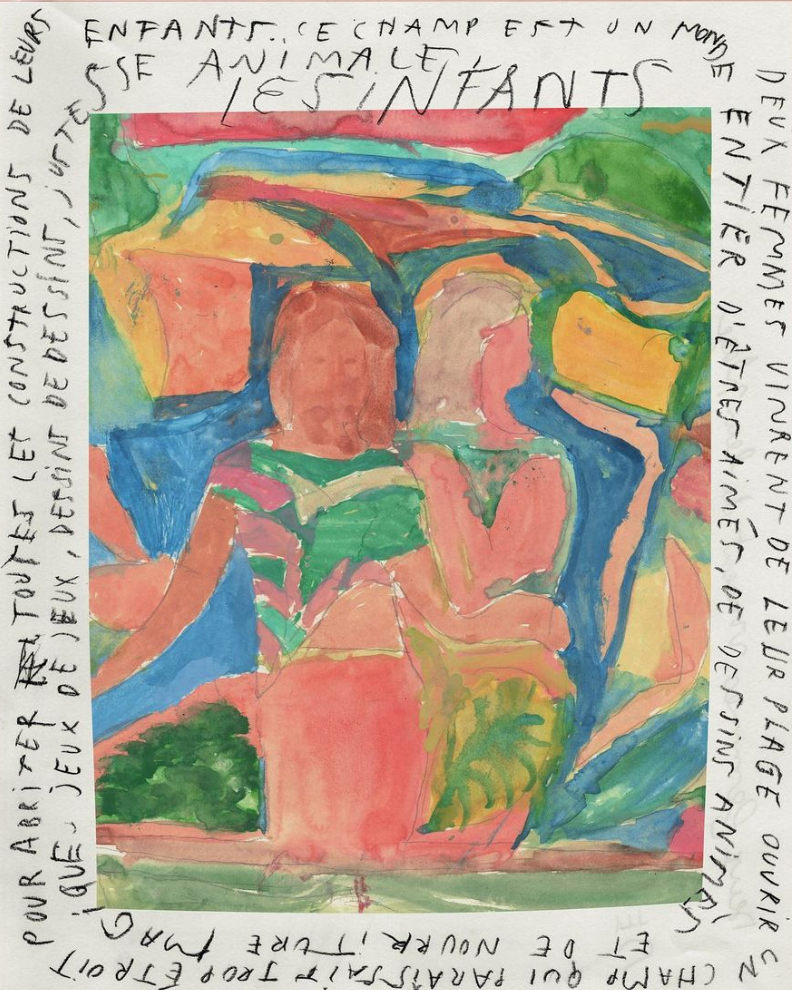
There is one final element that distinguishes Pithon within a contemporary landscape often drawn towards unease: he does not appear suspicious of pleasure. He wants painting to produce an immediate, physical, almost nourishing reaction. In recent bodies of work, from Carmina Paginata to Botanique Murmure, vegetal forms, objects, words, and fragments of landscape create universes saturated with life. Lightness, however, does not necessarily mean superficiality. Pleasure can also alter our relationship with a space, make us slow down, or reactivate attention. Why are we so accustomed to considering art that unsettles us profound, and much less willing to say the same about art that produces energy? Perhaps this is where Pithon’s work becomes most interesting. He does not ask the viewer to decode a message. He builds an environment around them and leaves them free to inhabit it.
Keep reading
Helen Beard: desire changes perspective
Saturated colours, tightly framed bodies, and images suspended between figuration and abstraction. Helen Beard uses painting to place female desire at the centre of the image, turning eroticism into a question of perspective, freedom, and representation.
Becky Tucker: what if the future looked like an archaeological artefact?
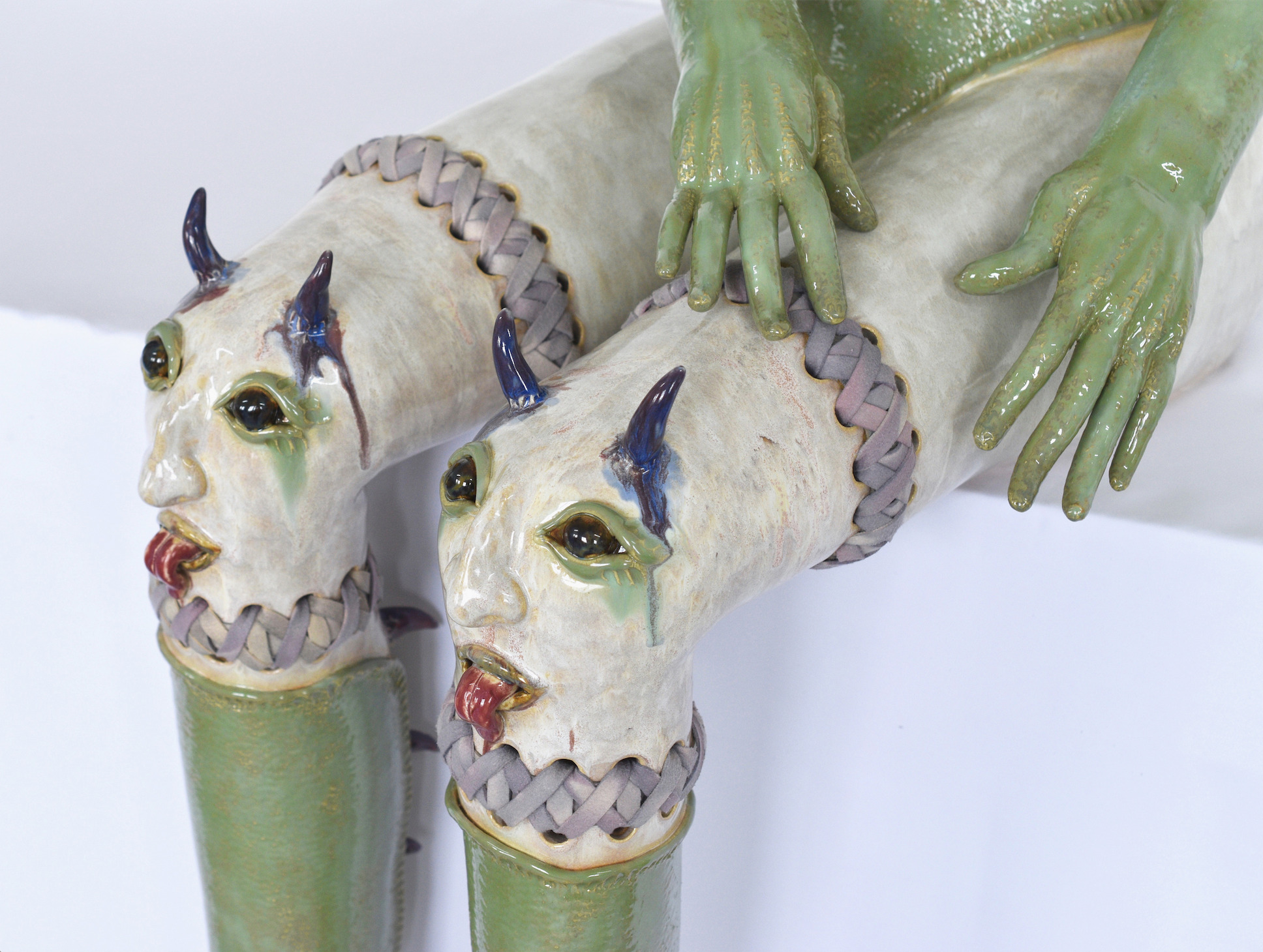
Pale creatures, impossible reptiles, armour, faces emerging from knees and ceramics that could be a hundred or three thousand years old. Becky Tucker creates objects deliberately difficult to place in time, bringing archaeology, mythology, horror and science fiction together. But if someone were to discover the remains of our civilisation one day, how much would they really understand about us?
Ben Crase: what happens when the cowboy no longer has to be tough?
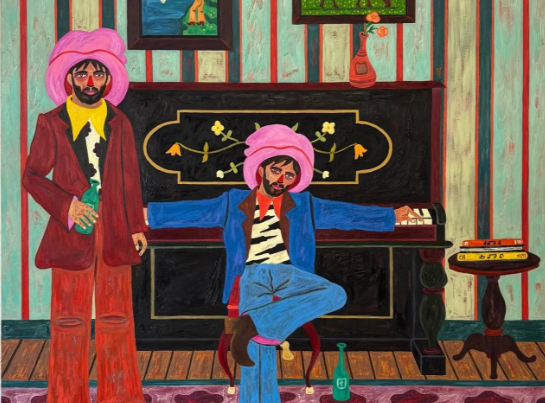
Pink hats, saloons, bears, big cats, chandeliers and men who look like brothers. Ben Crase takes one of the most enduring symbols of the American imagination—the cowboy—and moves him away from conquest, toughness and solitude to explore friendship, vulnerability and belonging. But how much can a myth change when we finally allow its men to be gentle?