
General Guide to Lecce
An essential guide to understanding Lecce from day one: Darte exhibition venues, where to stay, how to arrive and get around, what to know about the city and how to discover something of Salento during your stay.
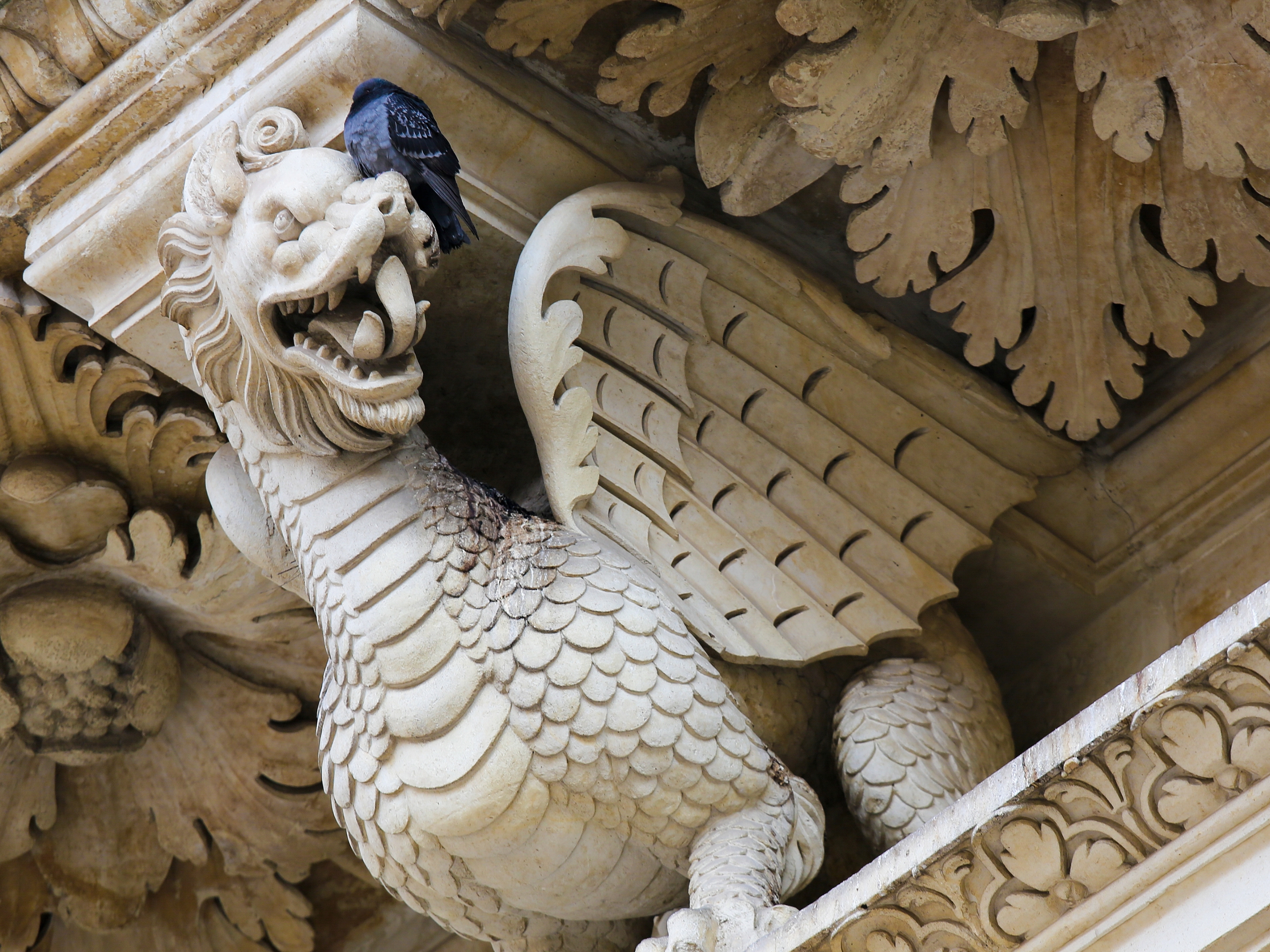
“Everything seems arranged and adorned for a subtle theatrical effect.”
— Guido Piovene, Viaggio in Italia, 1957
First things first: Puglia, Salento, Lecce
If you are arriving from abroad, three names will immediately help you understand where you are. Puglia is the region forming the “heel” of the Italian peninsula. Salento is the geographical and cultural name for the southernmost part of Puglia. Lecce is its main urban centre and a city compact enough to experience largely on foot. Its historic centre brings together squares, palazzi, Roman remains and, above all, the pale-stone Baroque architecture that makes the city instantly recognisable.
If you are exhibiting at MUST
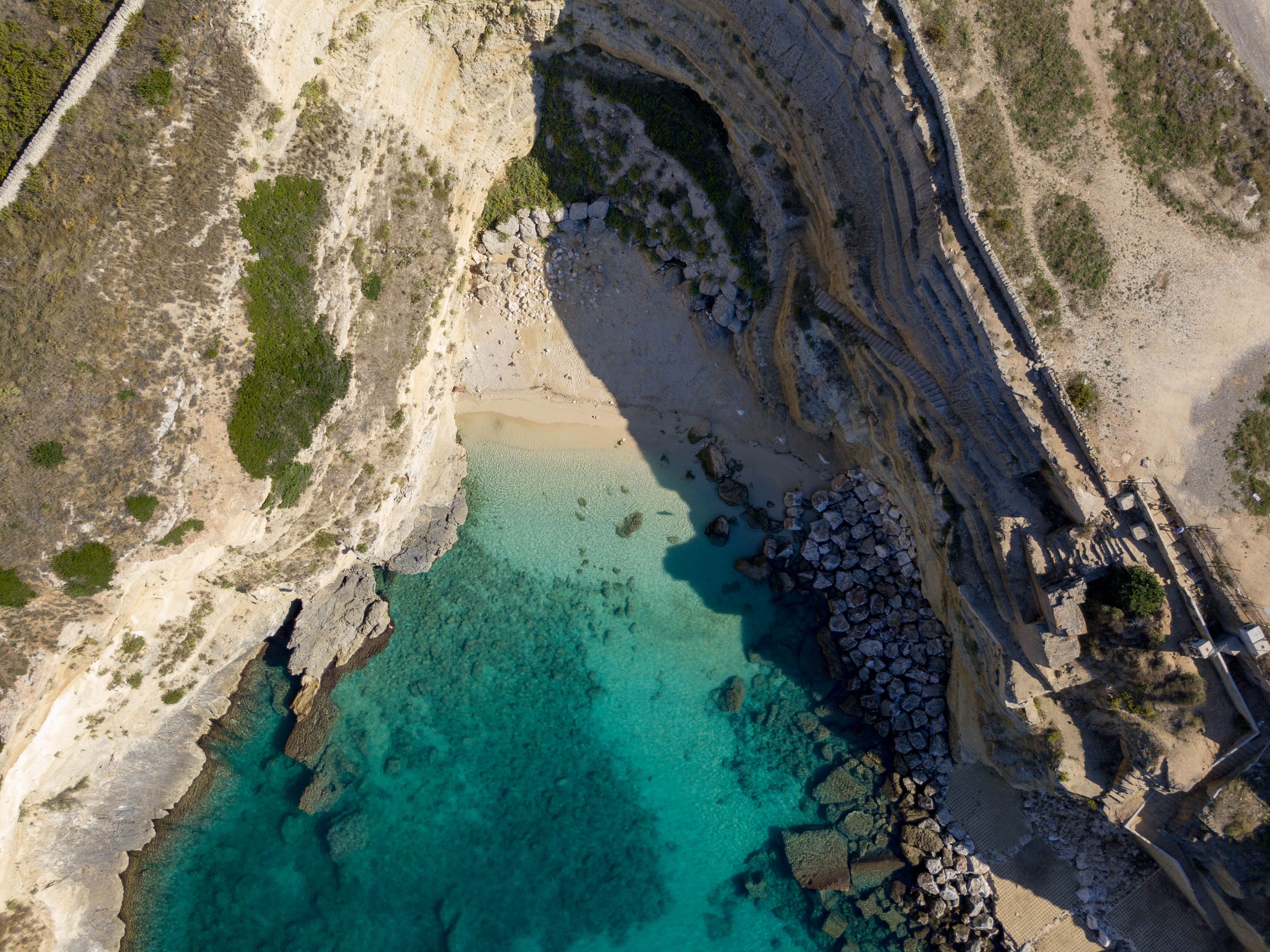
Area: historic centre, Santa Chiara area Address: Via degli Ammirati 11, 73100 Lecce MUST — Museo Storico della Città di Lecce occupies much of the former fifteenth-century Monastery of Santa Chiara. It is the city museum, hosting permanent collections, temporary exhibitions and spaces also dedicated to contemporary practice. You are right in the historic centre: Piazza Sant’Oronzo, Santa Croce and Piazza Duomo are all within easy walking distance. If your Darte exhibition is here, staying inside the historic centre is the simplest option and allows you to experience the days around the exhibition almost entirely on foot.
If you are exhibiting at Fondazione Palmieri
Area: historic centre, Piazza Duomo area Address: Vico dei Sotterranei 15, 73100 Lecce Fondazione Palmieri is located along one of the quieter passages of the historic centre, a few minutes from Piazza Duomo, in spaces connected to the Church of San Sebastiano. It offers a very different setting from a conventional museum: more intimate, layered and closely connected to the city’s historic architecture. Over the years, the Foundation has hosted hundreds of exhibitions and cultural events. If you are exhibiting here, you are in one of the most atmospheric parts of old Lecce, with Sant’Oronzo, Porta Rudiae and Santa Croce all easily reachable on foot.
If you are exhibiting at Palazzo dell’Antico Seminario
Area: Piazza Duomo Address: Piazza Duomo 5, 73100 Lecce Here, the venue is already part of the experience. Palazzo dell’Antico Seminario occupies one side of Piazza Duomo and is one of the buildings that define the square’s great Baroque theatricality. Built between the late seventeenth and early eighteenth centuries, it now also houses the Diocesan Museum, the Biblioteca Innocenziana and the Diocesan Historical Archive. If you are exhibiting here, you are quite literally inside one of Lecce’s defining places: leaving the exhibition means stepping directly into Piazza Duomo.
If you are exhibiting at San Francesco della Scarpa
Area: historic centre, former Convitto Palmieri complex Address: Piazzetta Giosuè Carducci, 73100 Lecce San Francesco della Scarpa is one of the most distinctive of Darte’s possible exhibition venues in Lecce. The former church, whose origins date back to the Middle Ages and which was extensively transformed between the seventeenth and eighteenth centuries, is now part of the monumental former Convitto Palmieri complex. It is also known for the unusual absence of a monumental façade visible from outside: much of its impact comes when you enter the space itself. The location remains very central, close to Porta Rudiae and only a few minutes on foot from Piazza Duomo.
Where to stay
All four possible Darte venues are concentrated within the historic centre, so there is no need to choose your accommodation around particularly long distances. The area between Piazza Sant’Oronzo, Piazza Duomo and Porta Rudiae offers the most immersive setting and allows you to reach almost everything on foot. Porta Napoli remains central while making it easier to move in and out of the city. Piazza Mazzini is a good alternative if you prefer a more modern, commercial area: the historic centre is still close, but the atmosphere changes completely. In Darte’s dedicated guide to where to stay, you will find five selected addresses; here, the important thing is first to understand which side of the city you want outside your door.
Arriving: railway station, Brindisi and Bari
If you arrive by train, Lecce railway station is located in Piazzale Oronzo Massari, just outside the historic centre, and is served both by Trenitalia and regional rail connections. From the station, you can continue on foot, by taxi or by local public transport. Lecce does not have its own airport. For most travellers, the simplest reference point is Brindisi — Salento Airport (BDS); Aeroporti di Puglia also operates ground connections through Puglia AirBus. Bari Airport (BRI) may offer more options for certain international routes, but it involves a longer onward journey to Lecce. Always check the actual connection available on your arrival date before purchasing your flight.
If you arrive by car: the term to know is ZTL
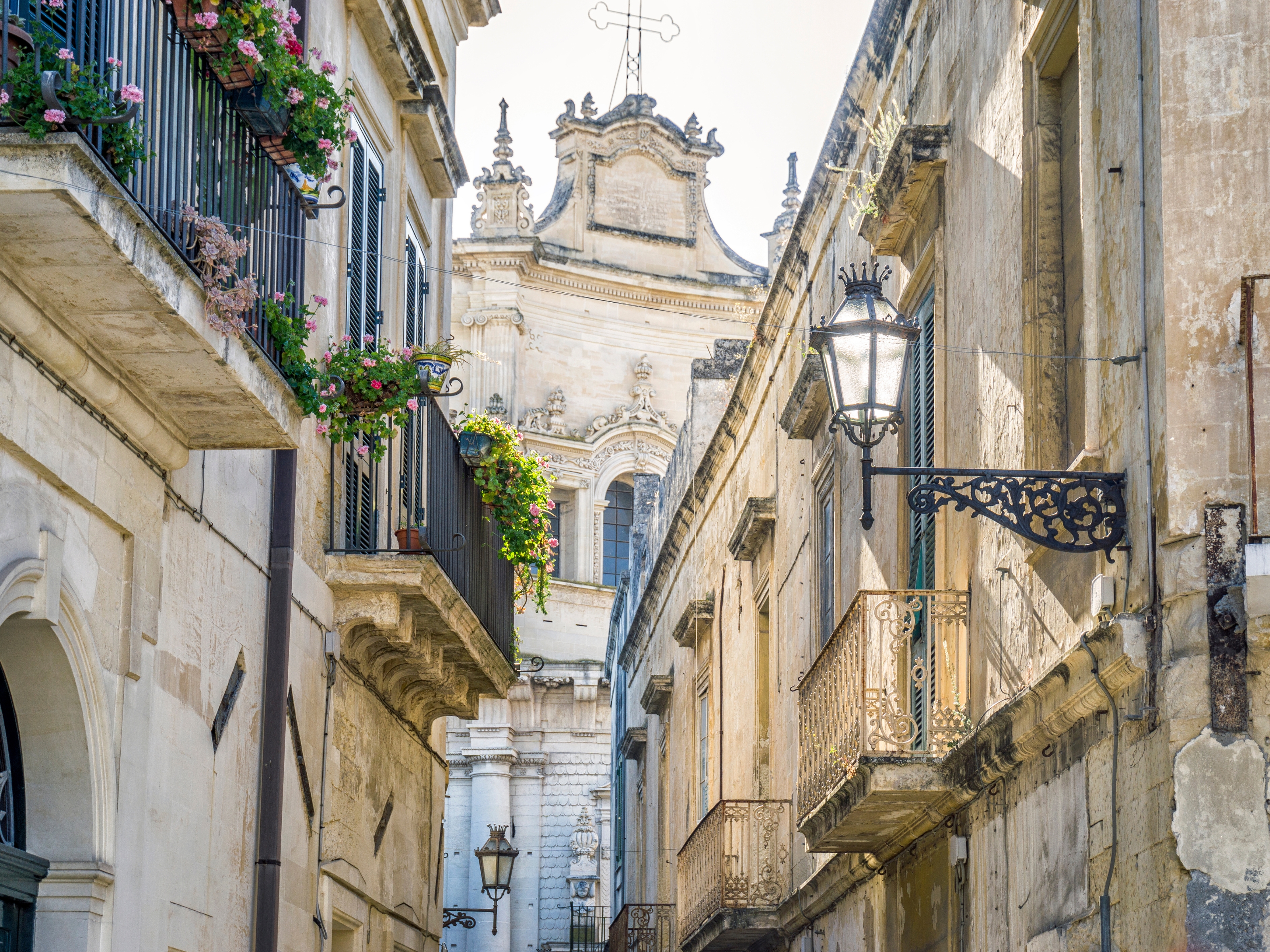
Much of the historic centre is regulated by a ZTL — Zona a Traffico Limitato, or limited-traffic zone. In practice, car access is controlled and depends on operating hours, permits and vehicle type. The City has adjusted some of the rules again in 2026, so avoid relying on old information found online. If you are staying in the centre, ask your accommodation directly where to leave the car and whether any access needs to be authorised. Do not simply follow your navigation system all the way to the hotel door.
Getting around Lecce is simple
During the days around your exhibition, you will probably rely mostly on walking. The historic centre is compact enough for Darte’s main venues, Piazza Sant’Oronzo, Piazza Duomo and Santa Croce to belong to the same urban area. For longer journeys, Lecce has an urban bus network operated by SGM; timetables and routes may change between summer and winter, so check them only when you actually need them.
If it is your first time: four coordinates
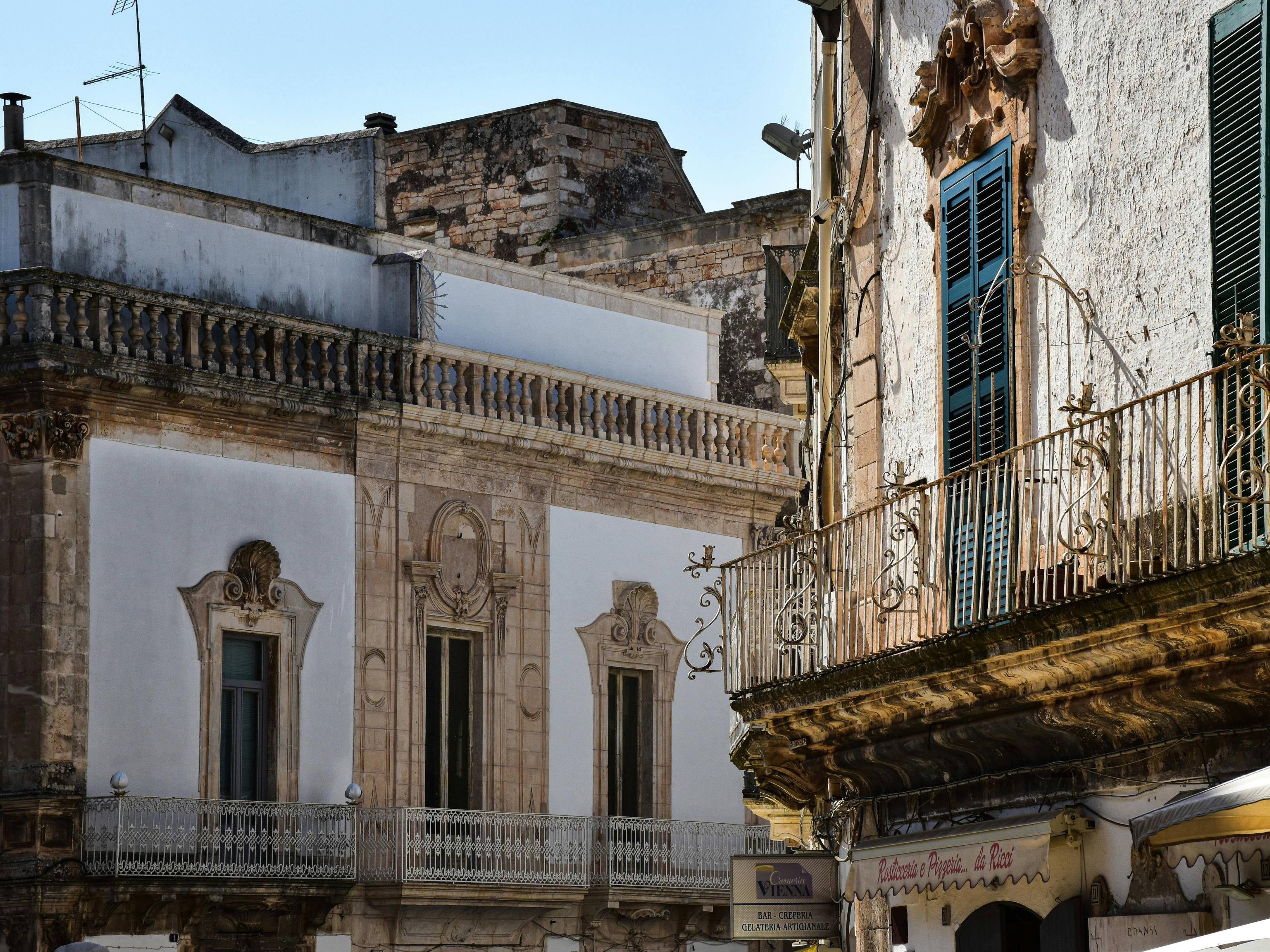
There is no need to turn Lecce into a checklist of monuments. If you have never been before, four places are enough to begin reading the city: Piazza Sant’Oronzo, where contemporary city life meets the remains of the Roman Amphitheatre; the Basilica di Santa Croce, to understand how far the decorative language of Lecce Baroque can go; Piazza Duomo, an almost theatrical space shaped through architecture and perspective; and Porta Napoli, one of the monumental gateways into the old city. The rest makes more sense when discovered on foot.
Lecce stone and paper-mâché: two materials that explain the city
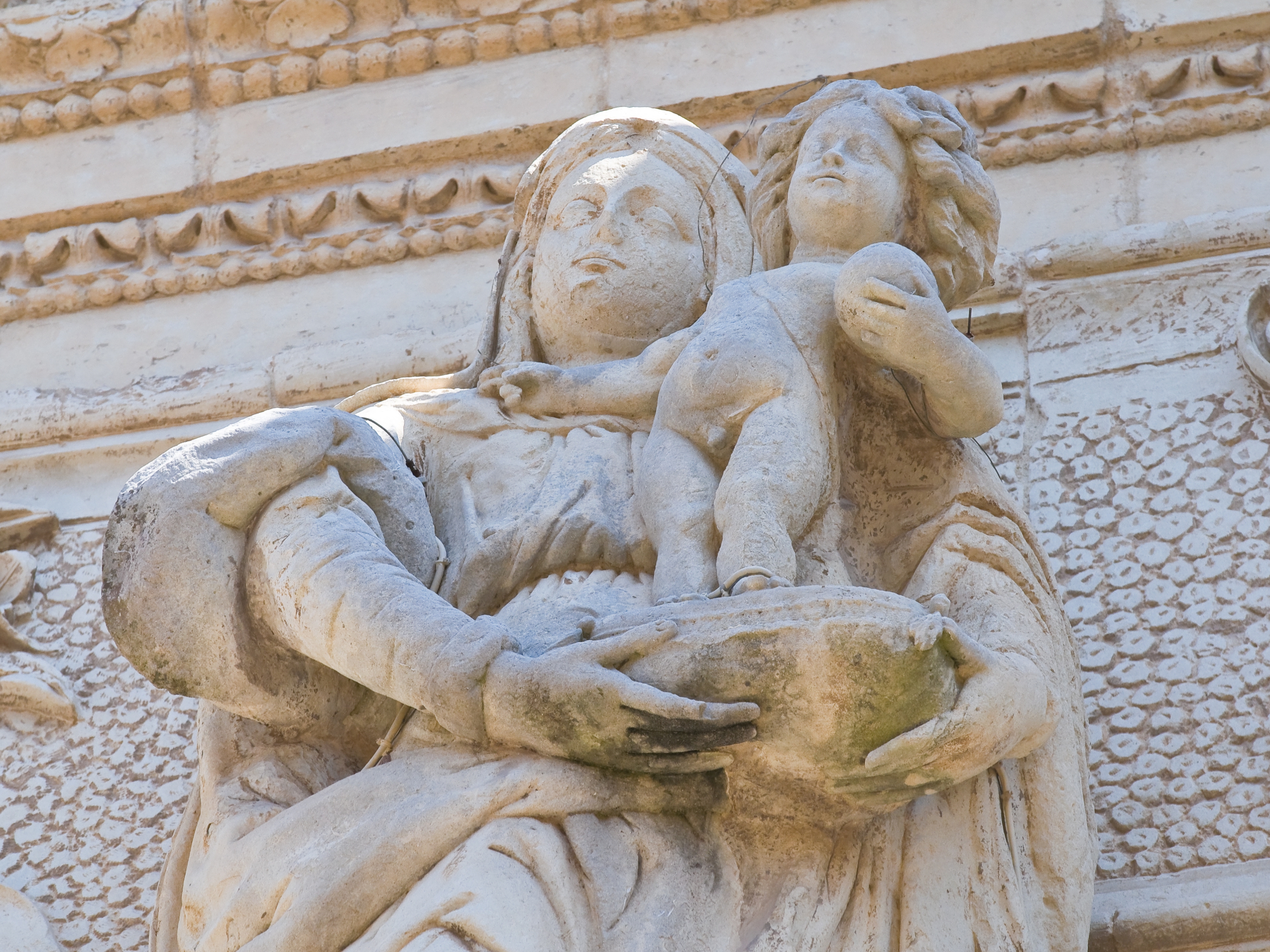
The warm colour of Lecce’s façades comes from pietra leccese, a local limestone that is relatively soft when extracted and therefore particularly suited to carving. It is what allowed Lecce Baroque to develop surfaces populated by flowers, animals, figures, columns and almost sculptural decoration. The other material to recognise is cartapesta, or paper-mâché. In Lecce, it is not simply a craft material: it is a historic artistic tradition, particularly connected to sculptural and religious production and still present in the city’s workshops today. If you work in art, noticing these two visual languages as you walk is already a way of reading Lecce.
Lecce is more than Baroque
Baroque is Lecce’s most immediately visible identity, but the city is far more layered. The Roman Amphitheatre and Roman Theatre still emerge within the historic centre; the wider history of the area also passes through Messapian civilisation, the Middle Ages and a Jewish presence that left traces around the area near Santa Croce. The most interesting way to look at Lecce, then, is not as a city belonging to a single period, but as a succession of cities that remain visible within one another.
Pasticciotto, rustico, caffè leccese: three names you will encounter
This is not yet our guide to where to eat — for that, we will select only five addresses — but there are three terms worth knowing before you arrive. Pasticciotto: a small shortcrust pastry traditionally filled with custard, closely associated with Salento’s pastry tradition. Rustico leccese: a savoury puff-pastry snack, usually filled with a creamy mixture of béchamel, tomato and mozzarella. Caffè leccese: espresso served over ice with almond milk, particularly associated with warm days but now found throughout much of the year.
If you want to explore Salento beyond Lecce
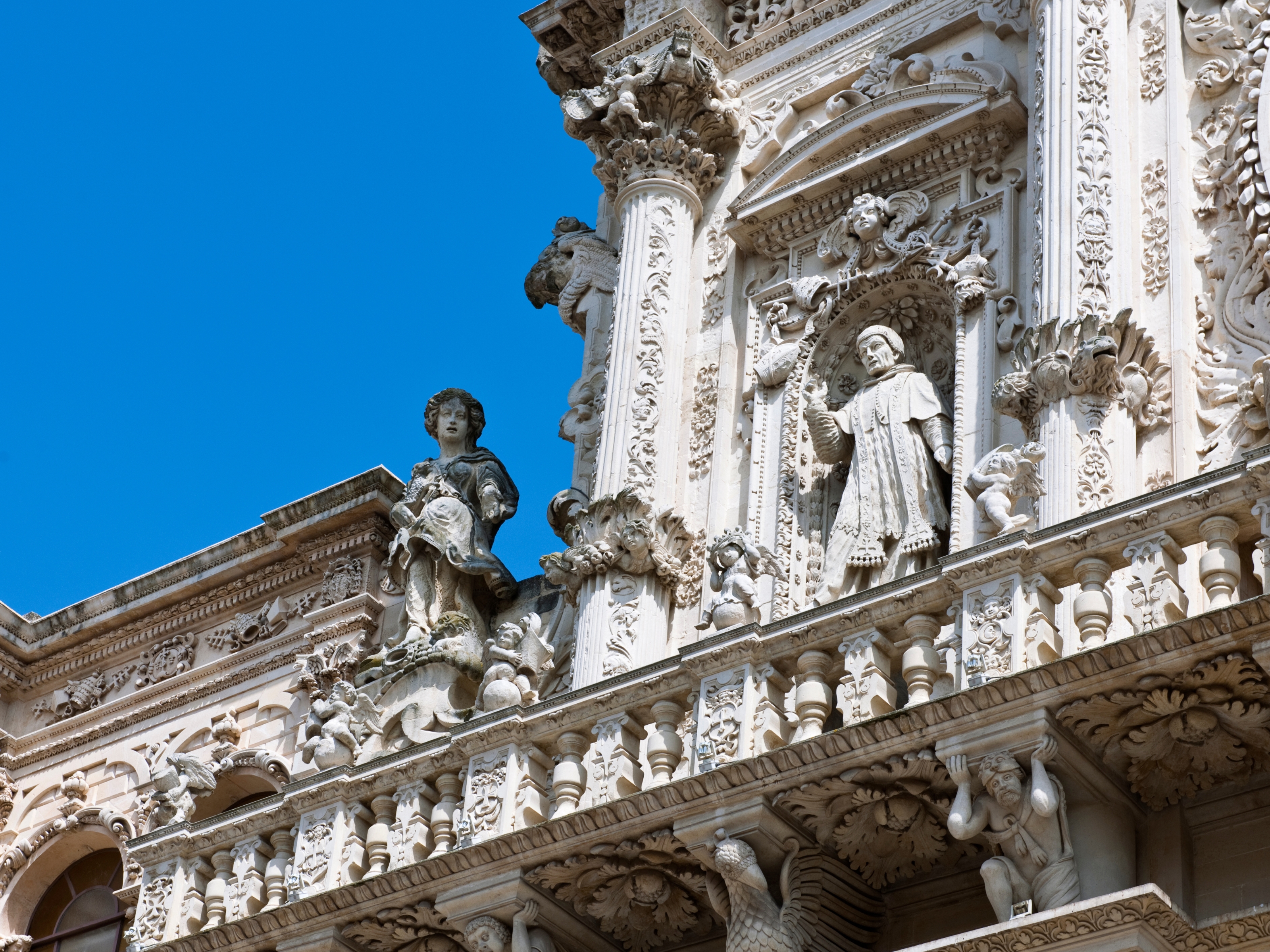
Lecce is an inland city: the sea belongs to the territory surrounding it, not to the city centre itself. If you have a free day during your stay, three places reveal three very different sides of Salento. Otranto: a small fortified town on the Adriatic, with a castle, walls and a Cathedral particularly famous for its vast medieval mosaic. It is the most complete choice if you want to combine landscape, sea and history. Alimini Lakes: just north of Otranto, two bodies of water surrounded by pine forest, Mediterranean vegetation and the nearby coast. They make most sense when you want to devote the day to landscape rather than another town. Porto Selvaggio: on the Ionian side, in the territory of Nardò, this is a more natural coastline of pine forest, paths, rocks and sea. It is the choice to make when you genuinely want to leave the urban setting behind. Do not try to fit all three into the same day. The better approach is to choose one according to the time you have and the kind of experience you want to add to the days around your exhibition. FOTO
The city changes after sunset
Lecce works particularly well without an overly precise evening plan. As the light changes, the stone takes on warmer tones and the historic centre becomes above all a social space: Sant’Oronzo, Santa Croce, Piazza Duomo and the streets between the squares continue to be lived in rather than simply visited. Even if the days around your exhibition are busy, try to leave at least one evening without an itinerary. It is probably the moment when the city becomes easiest to understand.
Tourist tax: what to know
If you stay in a hotel, B&B, apartment or other accommodation within the Municipality of Lecce, you may have to pay a tourist tax. The amount depends on the type of accommodation and the time of year, and the rules may be updated over time. Your accommodation will normally tell you what is due. There is no need to study the rates before travelling: if you want to check them, use the City’s official page directly.
A few useful things to know
Lecce does not require precautions beyond those you would normally take in any European city. In busier places, use normal care with your phone, documents and personal belongings. During the warmer months, particularly around midday, take the sun and temperature into account when planning long walks. If you are driving, the main thing to check carefully remains the ZTL. Otherwise, the centre is easy to navigate and distances are generally short enough to let you change plans without complicating the day.
If you need help
For medical, safety or other emergency assistance in Italy, call 112, the European emergency number. For visitor information in the city, you can also use the Info Point at the Sedile in Piazza Sant’Oronzo. Phone: +39 0832 242099 For urban transport, parking and service changes, the most useful reference is SGM Lecce.
Your Lecce
The exhibition is what brings you to Lecce. Around it, a much broader experience can take shape: exhibiting in a former monastery or inside Piazza Duomo, walking through Baroque architecture every morning, learning to recognise Lecce stone and paper-mâché, drinking a caffè leccese, travelling as far as Otranto or simply staying in the historic centre as the light changes. The main purpose of this guide is to let you arrive already knowing where you are, where your exhibition is and how the city works. From that point on, Lecce is yours to experience as you wish. Opening hours, transport, access rules, exhibitions and services may change. For this reason, whenever possible, Darte City Guide links directly to official institutions and services. You do not need to check everything: simply open the links you need shortly before travelling.
Keep reading
Where to Drink in Lecce: 5 Places We Recommend
Five addresses in Lecce’s historic centre for drinking well without having the same evening twice: cocktails in the street, wine, beer, a hidden speakeasy and a place where wine, food and mixology come together.
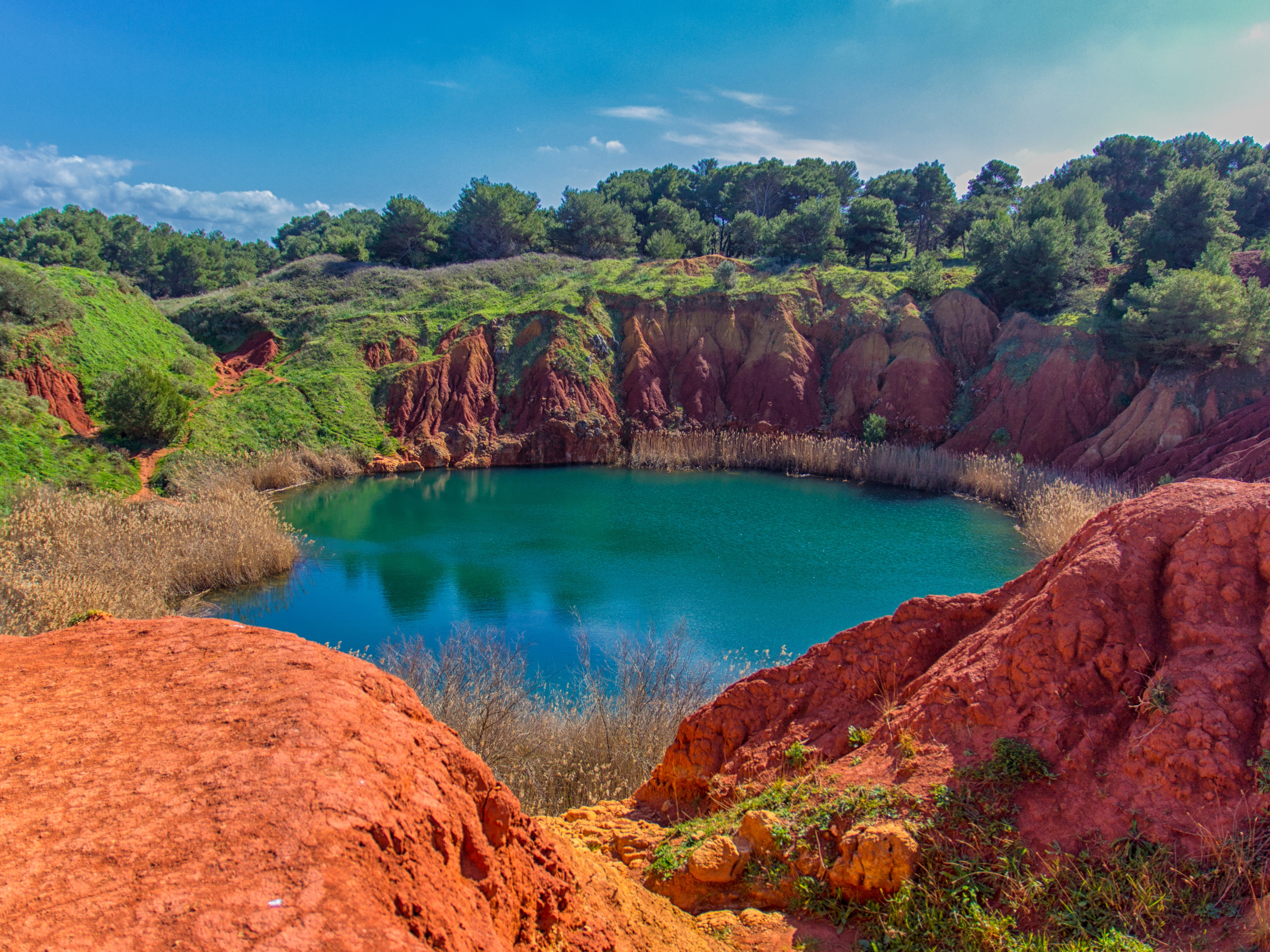
Discover Salento from Lecce: 5 Incredible Places in the Heart of the Mediterranean
From Lecce towards the Adriatic and Ionian seas: Otranto, Gallipoli, Porto Selvaggio, the Alimini Lakes and the Bauxite Quarry. Five places revealing just how much Salento can change in less than an hour on the road.
Where to Eat in Lecce: 5 Places We Recommend
Five addresses in central Lecce for discovering Salento cuisine through historic osterias, more contemporary tables, aperitivo and home-style flavours. Darte’s selection for deciding where to eat during your stay.