
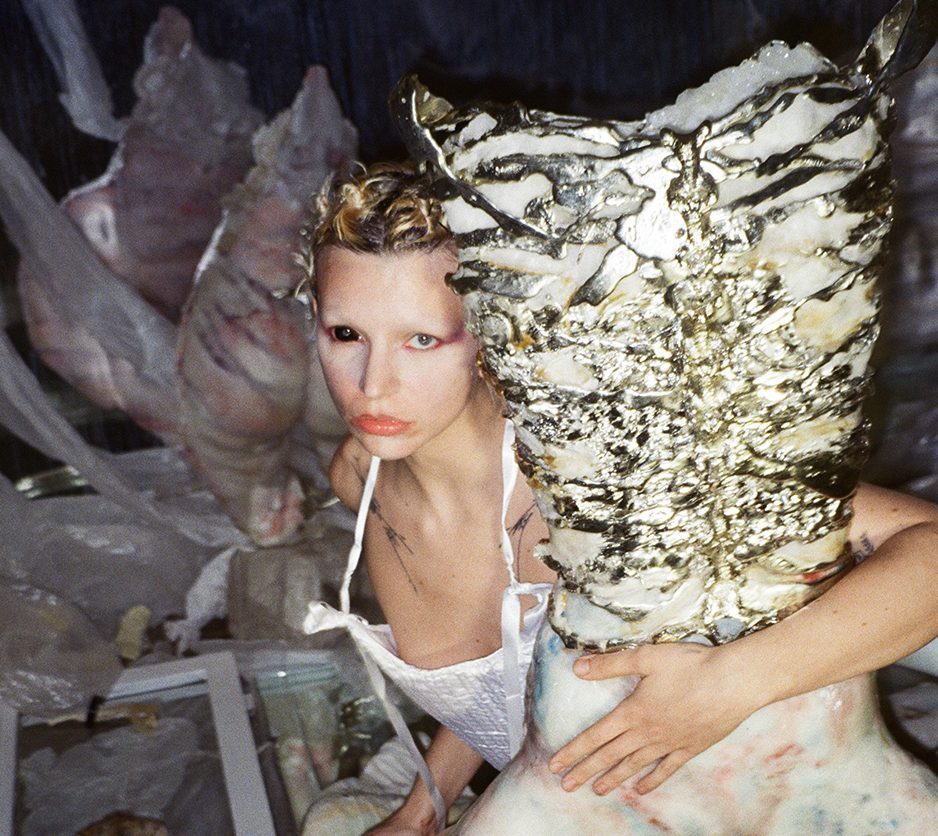
Ambra Castagnetti: how much of us truly belongs only to us?
Snakes, bound bodies, wax, orchids, avatars and digital apparitions. Ambra Castagnetti creates a world in which the human, the animal and the technological continually cease to exist as separate categories. From the Venice Biennale to MAMBO in Bogotá, her practice begins with a question that concerns us all: if our bodies are shaped by relationships, environment, desire and technology, how much of what we call “I” truly belongs only to us?
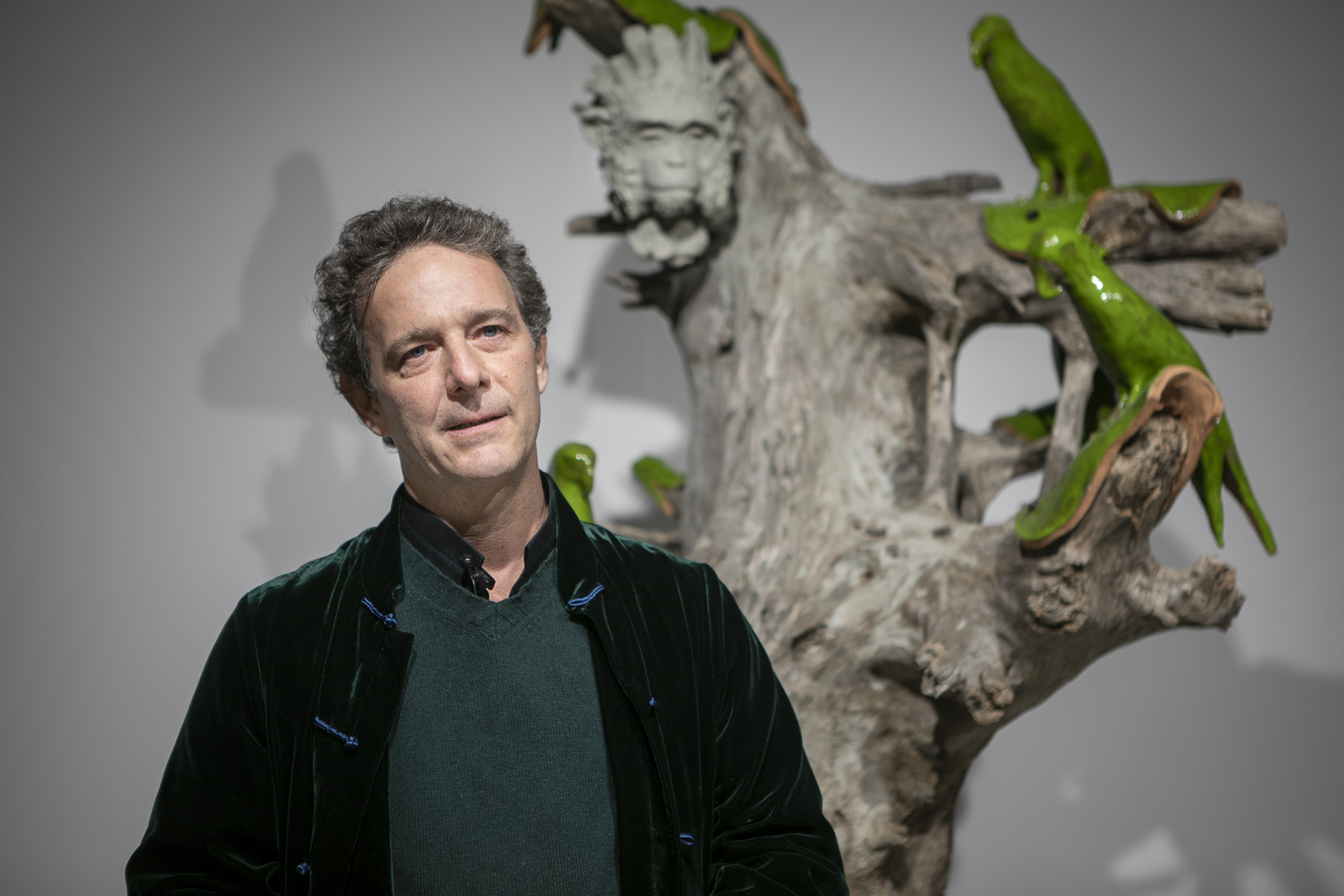
Benedetto Pietromarchi: building a bestiary for a changing world
Birds, roots, marine creatures and impossible animals inhabit Benedetto Pietromarchi’s sculpture, yet nature is never treated as something stable to be reproduced. Trained in classical sculpture and architecture, after fifteen years in London the artist found in the Maremma landscape a territory from which to extract materials, images and new mythologies. From terracotta to contemporary bestiaries, his work explores a world in which animal, vegetal, mineral and artificial forms seem increasingly difficult to separate.
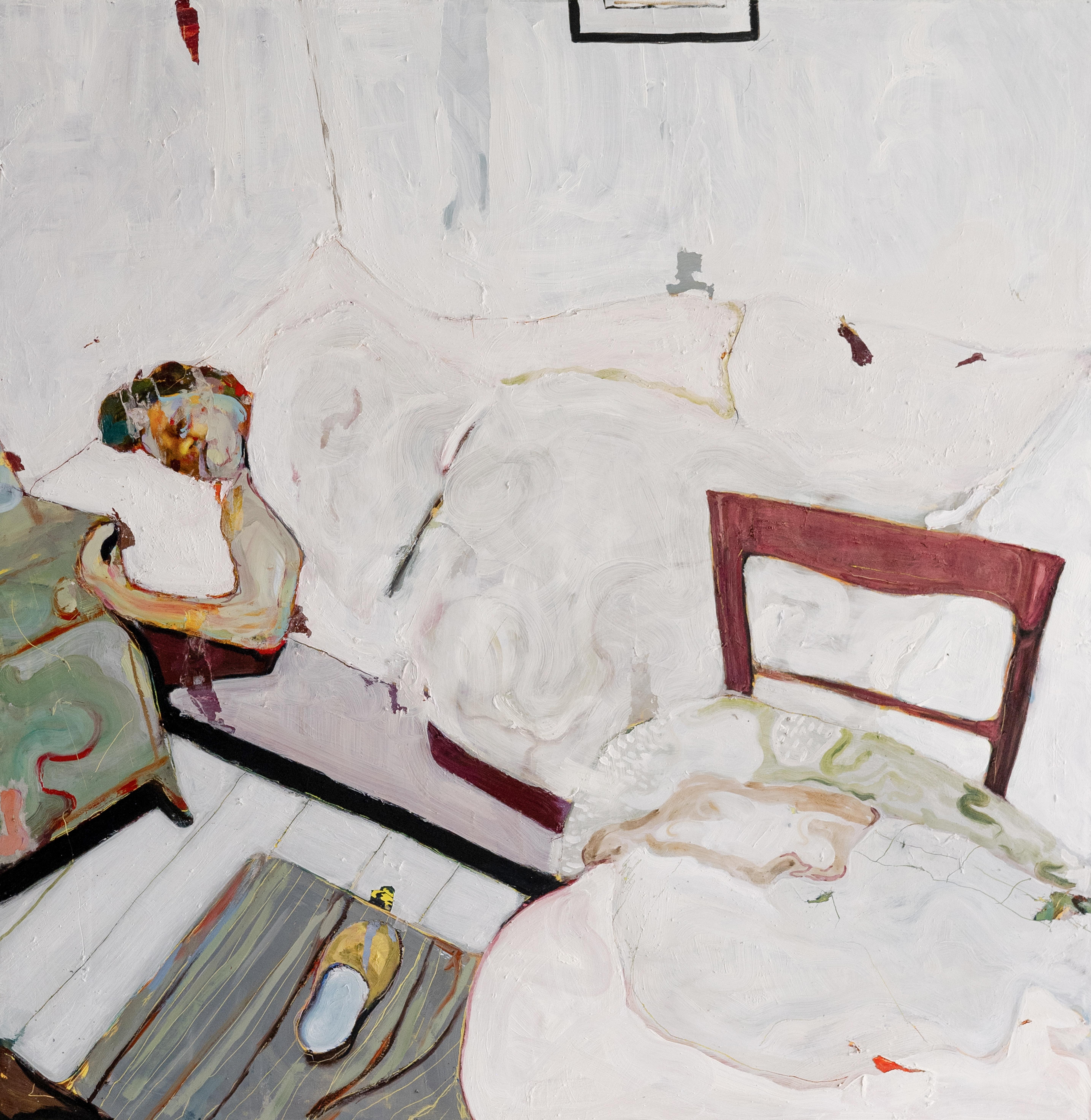
Giuseppe Gallace: painting what is missing
Domestic interiors, figures seemingly about to appear or disappear, suspended colours and details that interrupt the logic of a scene. Giuseppe Gallace creates paintings in which what is missing matters as much as what is represented. In 2025, Darte presented Fragmenta, his solo exhibition in the Sacristy of San Francesco della Scarpa in Lecce: eight oil paintings exploring a practice that does not tell complete stories, but leaves viewers to imagine what happened before and what might happen next.
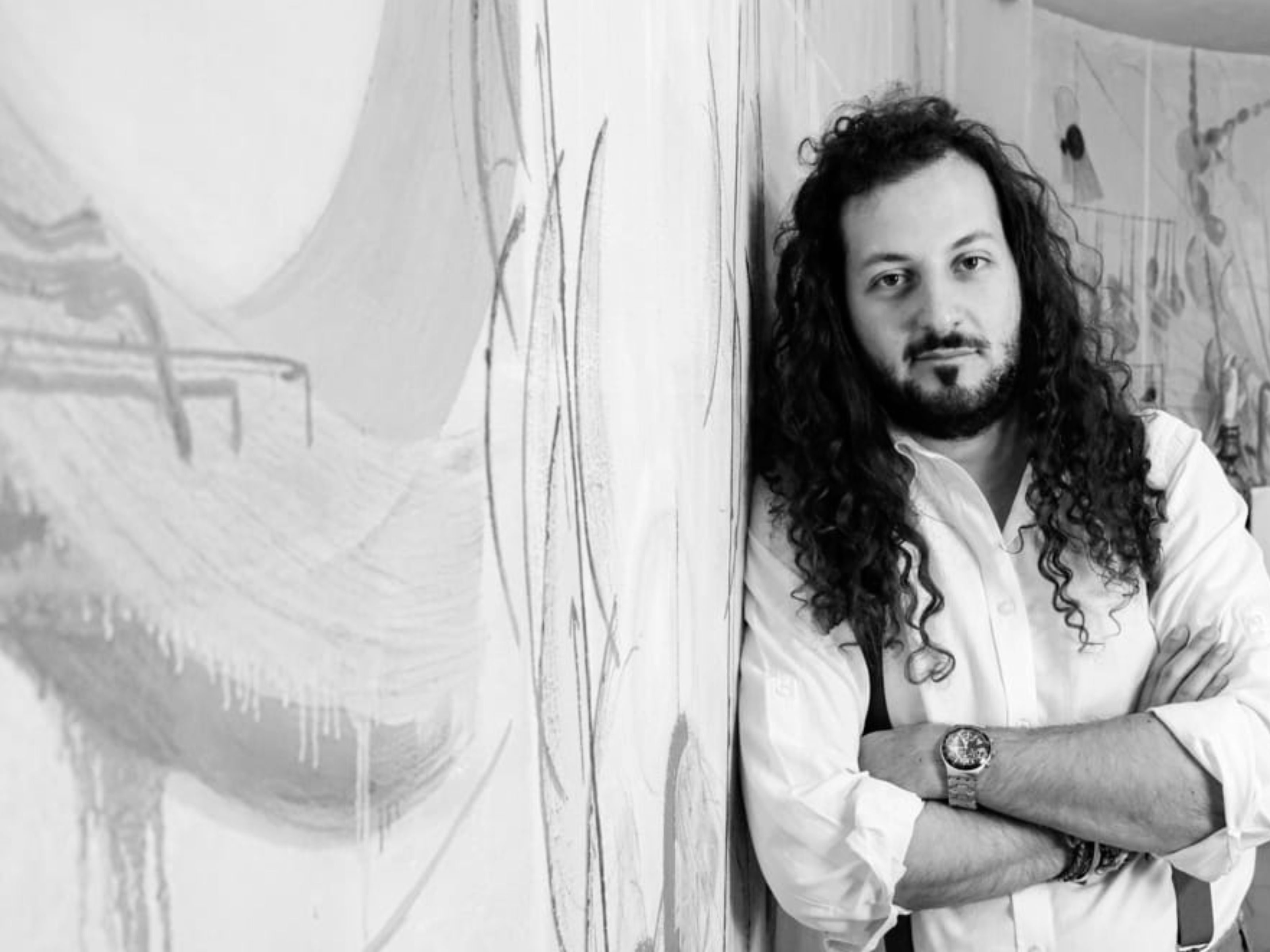
Giampaolo Parrilla: painting after the crisis of images
News photography, propaganda, social media, surveillance, war imagery and AI-generated content now coexist within the same visual space. Giampaolo Parrilla uses painting to slow this flow down and examine the way images construct what we understand as reality. In 2026, Darte curated his solo exhibition Redemption Machines at Fondazione Palmieri in Lecce, connecting this research with the history of a place shaped by protection, discipline and control.